Retailers comparing family packs
When putting together a range, you look at the net weight and number of lollies in each box, rather than assuming all multipacks are the same.


To put together a range of ice lollies for a local market, compare the number of lollies and the net weight in each box, then choose a few recipes to suit the portion sizes and flavours you’re looking for. If you’re reselling products from a stall, keeping ice cream and sorbet at −18 °C, as specified by the DGCCRF, is a prerequisite for choosing your range. Remember to check the labels of the products you select, too.
When putting together a range, you look at the net weight and number of lollies in each box, rather than assuming all multipacks are the same.
You’re thinking of combining classic ice lollies with mini versions, sorbets or a plant-based recipe, while taking the available freezer space into account.
If you sell ice cream at a market, your equipment and processes must enable you to meet the storage and hygiene requirements that apply to your business.
Before choosing flavours, make sure your transport and stall are suitable for frozen products. Then compare portion sizes, recipes and label information to put together a well-balanced range.
| Criteria | What to check | What matters to shoppers |
|---|---|---|
| Pack size | Number of lollies and net weight; compare portions of a similar size. | If I’m preparing for several sales, I want to know how many portions each box actually contains. Around 36% of shoppers prioritise the quantity in each pack. |
| Size and variety | Portion size, flavours and the space needed to store the range. | With limited freezer space, I prefer sizes and flavours that suit the pace of my stall. Size and variety come first for around 29% of shoppers. |
| Recipe and allergens | Ingredients, declared allergens and any ‘may contain’ warnings for each product. | If I’m offering a plant-based recipe or answering a question about allergens, I need the label for the exact product. Around 21% of shoppers prioritise ingredients and allergens. |
| Cold chain | Transport conditions, stall equipment and temperature monitoring for ice cream and sorbets. | If I’m reselling frozen products at a market, I need to be able to store them under the required conditions until they’re handed to the customer. Around 14% of shoppers consider this their top priority. |
A small portion and a family-sized ice lolly don’t serve the same purpose. The packs identified include boxes containing between three and twelve pieces.
Check the net weight and portion size, too, and distinguish between sorbets, mini lollies and coated recipes.
A plant-based recipe may contain nuts or carry warnings that it may contain other allergens. Magnum, for example, lists almonds and possible traces on its Vegan Almond product page.
Read the ingredients and allergen information for each flavour and size before offering it for sale.
For markets and mobile retailers, the DGCCRF specifies −18 °C for ice cream and sorbets during storage, transport and direct sale.
Before stocking up, make sure your transport arrangements, stall equipment and temperature monitoring allow you to meet this requirement.
Refrigeration equipment and temperature checks also take up space and need to be managed throughout the sale.
Products shown online may not be available in every shop or through every supplier.
Check the flavours, pack sizes and availability with your intended supplier.
Ice lollies and sorbets, including multipacks of eight to twelve pieces.
Coated vanilla ice lollies, including milk chocolate and almond recipes.
Mini ice lollies and larger options, offering a choice of portion sizes.
Ice lollies, including a white chocolate option in a box of four.
A range of ice lollies that includes the plant-based Vegan Almond option, in a box of three 90 ml portions.
ALDI’s range of ice cream and sorbets includes chocolate mini ice lollies.
This selection includes fruity ice lollies, coated recipes and a sorbet on a stick. If you’re choosing products for a market, compare their portions and recipes, then check the label and storage instructions on each box.
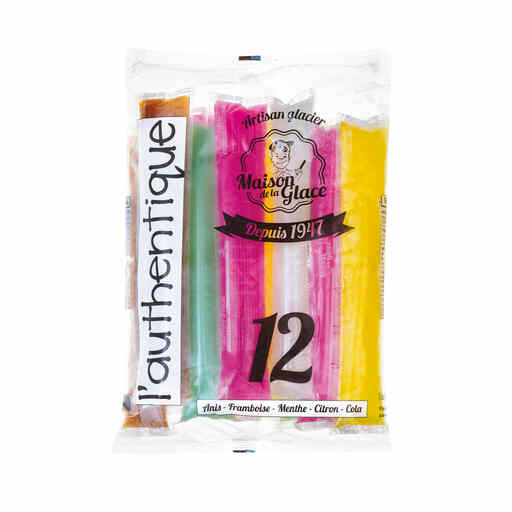 Image unavailable
A pack to consider if you’d like to offer several flavours in one format.
Check the ingredients, allergens and storage instructions on the box you choose.
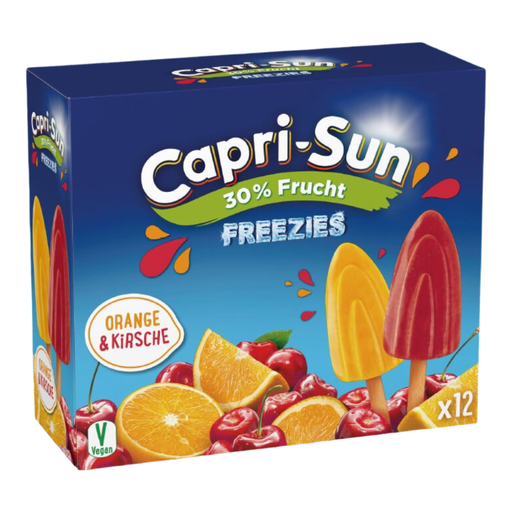 Image unavailable
A fruity pack to consider if you’re looking for individually served portions.
Check the allergen information on the packaging before reselling.
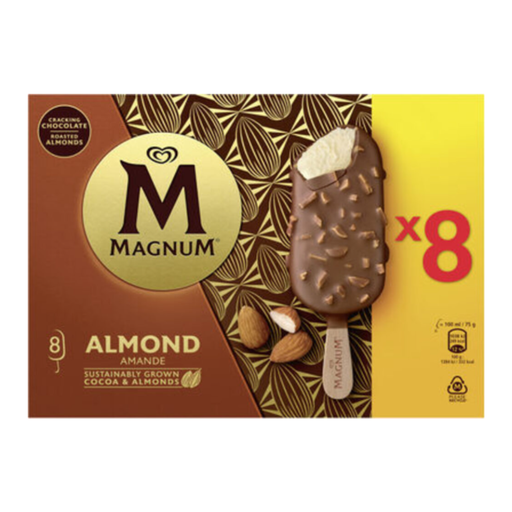 Image unavailable
A vanilla and almond recipe to consider if you’d like to complement fruity flavours with a coated ice lolly.
This isn’t the Magnum Vegan Almond product. Check the ingredients and allergens on this box, particularly if you’re catering for anyone with a nut allergy.
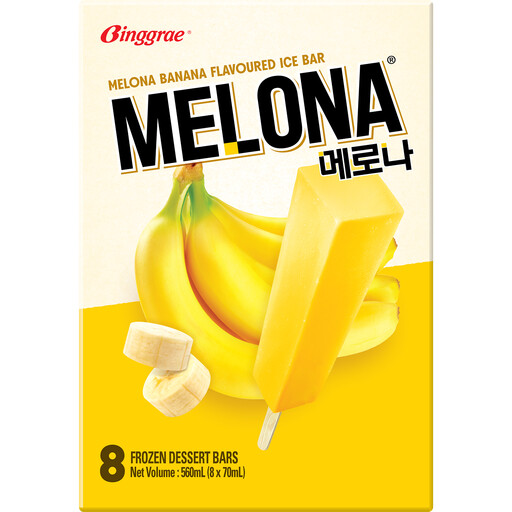 Image unavailable
A banana-flavoured option in individual portions to compare with the other recipes in your range.
Check the label for allergen information and the storage instructions for the exact product.
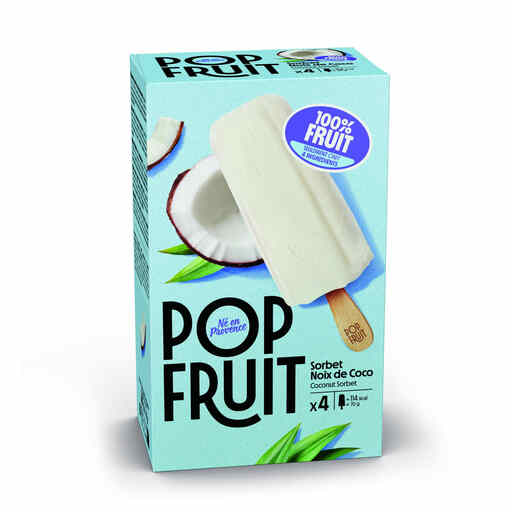 Image unavailable
A coconut sorbet on a stick to consider if you’d like to offer a wider choice of recipes.
Check the packaging for ingredients, possible allergen traces and storage instructions.
Compare the number of lollies with the net weight and the size of each portion. Also distinguish between mini versions, sorbets and coated recipes: two boxes with the same number of pieces may not contain the same-sized portions.
You must be able to meet the storage requirements that apply to frozen products. For markets and mobile retailers, the DGCCRF specifies −18 °C for ice cream and sorbets during storage, transport and direct sale.
Not for the Auchan ice lolly in question: its product information states that a thawed product must never be refrozen. Follow the instructions on each pack and check your transport arrangements before selling.
No: ‘plant-based’ doesn’t mean ‘allergen-free’. The Magnum Vegan Almond product information lists almonds and says it may contain milk, soya and other nuts. Always check the label of the exact product.
Yes. Check with your intended shop or supplier to see which flavours and pack sizes are available locally. This helps you plan a range based on the products you can actually source and store.