For a small after-school treat
If you’d prefer a smaller lolly than a standard size, check the volume of each one rather than relying on the word ‘individual’ alone. For example, Magnum lists its Mini Classic at 55 ml per lolly.


For an individual ice lolly at home after school, start by choosing the portion size: a mini lolly is ideal if you fancy a smaller serving, while a standard size or assorted box could suit you better if you want a different size or a choice of flavours. Next, check the quantity per lolly, the ingredients and the allergens in the specific recipe. As these are frozen products, you’ll also need to keep them cold on the way home rather than leaving them in a school bag.
A box of individually wrapped ice lollies can suit different needs, depending on the portion size you want, the recipe and who will be enjoying them.
If you’d prefer a smaller lolly than a standard size, check the volume of each one rather than relying on the word ‘individual’ alone. For example, Magnum lists its Mini Classic at 55 ml per lolly.
The flavour alone won’t tell you whether a recipe is suitable: milk, almonds, soya, wheat and ‘may contain’ statements can vary between products. The DGCCRF reminds shoppers that allergens must be highlighted on the labels of pre-packed foods.
Compare the number of lollies and the net quantity before choosing a box. If you’ve spotted a particular recipe at Carrefour, Auchan or E.Leclerc, also check its availability with your chosen shop or collection service.
To choose between mini, standard and assorted ice lollies, start with the portion you’d like to serve, then check the specific recipe. A choice of flavours matters most if it’s more important to you than the size of each lolly.
| What to consider | What to check | Who is it for? |
|---|---|---|
| Portion size | Number of lollies and the weight or volume per lolly; nutritional information per portion if you’d like to compare. | For a little after-school treat, I want to know how much one lolly actually contains, without assuming that ‘individual’ means ‘mini’. Around 45% of shoppers rank portion size as their top priority. |
| Ingredients and allergens | Ingredient list and ‘may contain’ statements on the recipe and packaging you’re buying. | When I’m choosing for someone with an allergy, whether the recipe is suitable comes before the flavour. This is the top priority for around 33% of shoppers. |
| Flavours and in-store choice | Flavours in the box and whether the chosen retailer stocks the product. | If several people are sharing a box, I first look for flavours they’ll enjoy and a product I can find near home. Variety and availability are therefore the top priorities for around 22% of shoppers. |
Volume and weight aren’t interchangeable, so compare portions using the units shown on each pack. For a particular recipe, check the ingredients again if you switch flavours, even within a range you know well.
An individually portioned lolly is still a frozen product. Leaving it without a cold chain for several hours isn’t suitable for the way it needs to be stored.
For an after-school treat, keep the box in the freezer and take out a lolly when you’re ready to serve it. For the journey home from the shop, Anses recommends buying frozen products last, using an insulated bag and keeping the journey as short as possible.
Similar-looking lollies can contain different ingredients and have different ‘may contain’ statements, especially if a recipe includes almonds or biscuit.
Read the ingredient list and ‘may contain’ statements on the exact box you’re buying, even if you’re switching flavours within the same brand.
A box of four standard lollies and a box of six mini lollies don’t offer the same portion size. The net weight of the box doesn’t always tell you the volume or weight of each lolly.
Check the number of lollies first, then the quantity per lolly if that will influence your choice. Magnum lists Mini Classic at 55 ml per lolly, while the Carrefour Extra and Auchan boxes mentioned here show 314 g and 296 g respectively for four lollies.
A retailer’s product page doesn’t guarantee that the flavour you want will be available at the shop where you plan to do your shopping. E.Leclerc, for example, advises customers to check availability with the relevant store.
Check with the shop or collection service you plan to use before setting off, and have another recipe in mind in case your first choice isn’t available.
These ranges offer a guide to different sizes and recipes; their inclusion here doesn’t mean every product is available at every shop.
The range includes four-packs of Classic and six-packs of Mini Classic, with vanilla and chocolate recipes depending on the product.
Carrefour sells vanilla and chocolate lollies under this brand, including an almond recipe, in boxes of four.
The retailer sells ice lollies under its own brand, including fruit and white chocolate recipes depending on the product.
The range includes coconut and vanilla-speculoos lollies, sold in packs of four.
ALDI France’s product page for MUCCI almond lollies describes a recipe combining vanilla, milk chocolate and almond pieces.
This selection includes individually portioned ice lollies to keep in the freezer: small portions, boxes of four and assorted packs to share at home. Compare the quantity per lolly and the label for each recipe, depending on who’ll be enjoying it.
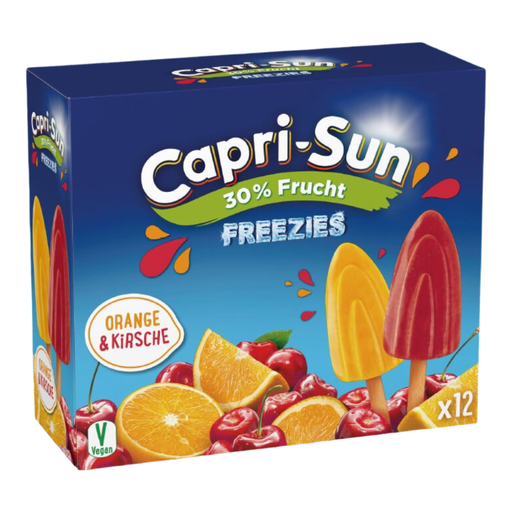 Image unavailable
A box of twelve to consider if you’d like to serve the lollies one at a time at home. The stated net weight is 444 g. Check the packaging for ingredients and ‘may contain’ statements, especially if you need to avoid particular allergens.
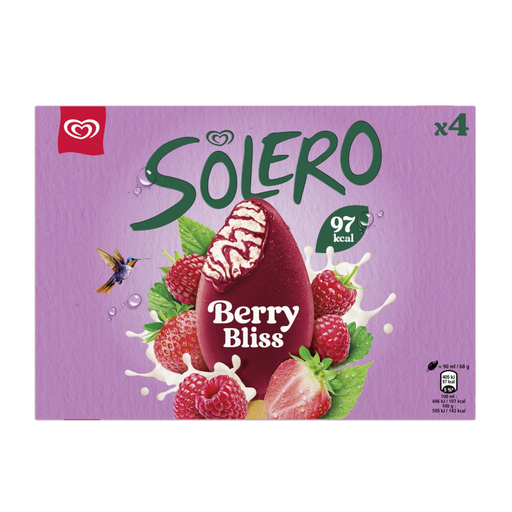 Image unavailable
At 90 ml per lolly, the stated volume can help you choose an individual portion rather than relying on the size of the box. If the ingredients are important to you, check the packaging for the recipe you’re buying.
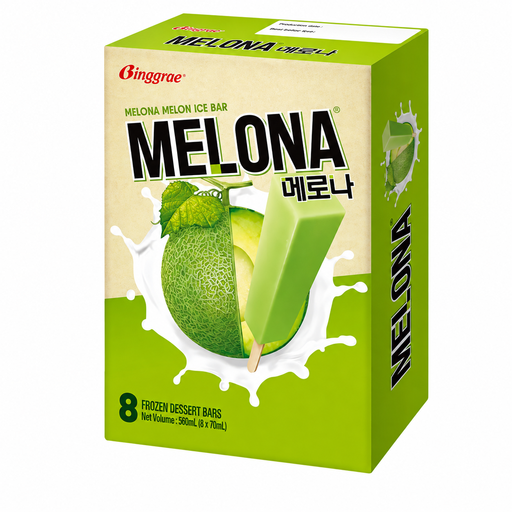 Image unavailable
This box of eight lets you compare a stated portion of 70 ml with other sizes. The product page lists milk and says that the colour E102 may have an adverse effect on children’s activity and attention. Bear this warning in mind when buying for a child, and check the packaging.
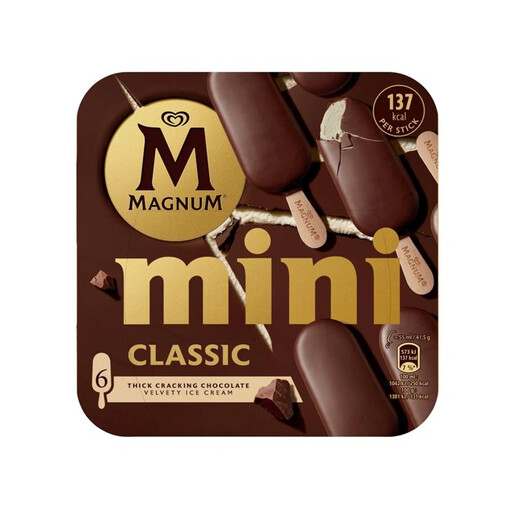 Image unavailable
The mini size is a good choice if you’re after a smaller individual portion, with each lolly listed at 55 ml. The recipe contains milk and the product page mentions possible traces of almonds. Check the information on the box you buy.
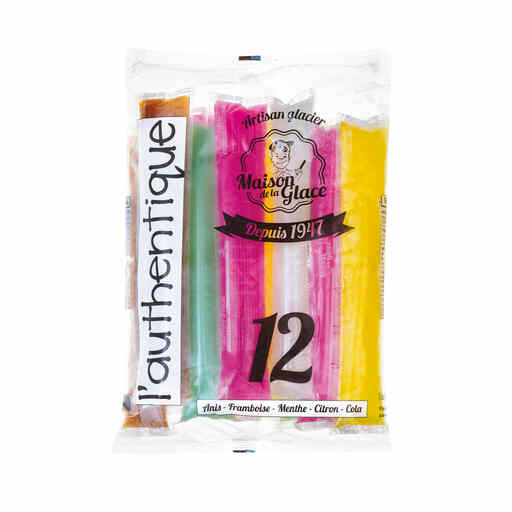 Image unavailable
This assorted pack could suit you if choosing from five flavours matters more than sticking to just one. The box contains twelve lollies with a total weight of 1 200 g. Check the quantity per lolly if portion size matters to you. The product page advises people at risk of an allergic reaction not to consume it; check the label before buying if this applies to you.
Not for several hours without keeping it cold: an ice lolly needs to stay frozen until you’re ready to serve it. When bringing frozen food home from the shops, Anses recommends buying it last, using an insulated bag and keeping the journey home as short as possible. For an after-school treat, it’s best to take it out of the freezer at home.
Read the ingredient list and any ‘may contain’ statements for the specific product, rather than relying on the flavour name alone. In France, the DGCCRF says allergens must be highlighted on the labels of pre-packed foods. Check the packaging again if you switch recipes.
No. Auchan’s product page for its white chocolate lolly says never to refreeze a defrosted product. Follow the storage instructions on the packaging of the product you’ve bought.