Hosts serving dessert at the table
A tub lets you prepare scoops or bowls and adjust each portion. To compare the amount in different tubs, the DGCCRF advises checking the net weight rather than relying on volume alone.


For a dessert served in bowls, where you can adjust portions to suit the number of guests, choose a tub of ice cream or sorbet. If you’d rather serve without scooping, individual ice lollies are more convenient, but the portions are fixed. Compare the tubs’ net weight, check the ingredients and allergens in each recipe, and plan how to transport and keep everything frozen until serving.
A tub lets you prepare scoops or bowls and adjust each portion. To compare the amount in different tubs, the DGCCRF advises checking the net weight rather than relying on volume alone.
Offering a fruity recipe alongside a creamy one gives guests more choice. However, you should read the ingredients and allergen information on each pack: the word ‘sorbet’ alone doesn’t tell you whether a recipe is suitable for someone with an allergy.
Ice lollies and mini ice lollies mean there’s no need to serve with a spoon. However, the number of portions is fixed by the pack, unlike a tub, where you can serve as much or as little as you like.
Choose this if: you’re making bowls or scoops and want everyone to choose their portion size.
Bear in mind: you’ll need to serve it with a spoon and check the allergens in the recipe you choose.
Choose this if: you’d like to serve a fruity recipe in portions you can adjust.
Check: the ingredients and allergens. Sorbet isn’t automatically suitable for every dietary requirement.
Choose these if: guests should be able to help themselves to dessert without waiting to be served.
Bear in mind: portions are fixed by the pack, so they’re less flexible than a tub.
| What to consider | What to check | Who it matters to |
|---|---|---|
| Amount to share | Check the net weight in grams and work out how many tubs you’ll need for your group. The DGCCRF points out that, for the same volume, weight can vary depending on how much air is incorporated into the ice cream. | If I’m serving bowls, I want to be able to adjust portions to suit the number of guests without relying on how big the tub looks. Around 40% of consumers might make the amount to share their top priority. |
| Recipes and allergens | Compare the product descriptions and check the ingredients, highlighted allergens and ‘may contain’ statements for each flavour. | When tastes or dietary requirements differ, I want to offer a choice of recipes without assuming that sorbet is dairy-free. Recipe suitability could be the main concern for around 40% of consumers. |
| Serving and storage | Choose between individual portions and serving with a spoon. For transport, Anses recommends using an insulated bag and keeping the journey as short as possible. | For a dessert guests can help themselves to, I prefer ready-portioned servings and need to be able to keep the products frozen until it’s time to serve. This could be the main consideration for around 20% of consumers. |
The DGCCRF reminds consumers that milk must be declared if it’s present, including in sorbet. Other allergens may also be listed in the recipe information.
For each pack intended for guests with allergies, check the ingredients, highlighted allergens and ‘may contain’ statements.
According to the DGCCRF, air incorporated during production can affect the weight of ice cream in the same volume. So two tubs with the same capacity won’t necessarily contain the same amount to serve.
Check the net weight in grams before deciding how many tubs you’ll need.
Transport and time out of the freezer make it harder to maintain the cold chain.
As Anses recommends, buy frozen products at the end of your shop, use an insulated bag and keep transport time to a minimum. Then store the products according to the instructions on their packs until serving.
Each ice lolly is a set portion, whereas a tub lets you serve different amounts and prepare bowls.
First decide whether guests will help themselves or you’ll serve dessert with a spoon. Combine both formats if you’d like to offer both ways of serving.
A brand to consider for individual ice lollies rather than a tub to serve.
A retailer with ice cream and sorbet tubs in its range, including products from its Carrefour Sensation and Carrefour Extra ranges.
Marque Repère’s ESKISS range includes ice cream and sorbet tubs.
A range that brings together ice cream and sorbet tubs from several brands.
ALDI’s MUCCI range includes ice cream and sorbet, including tub formats.
Lidl includes ice cream in its frozen food range.
These Joybuy products are frozen desserts in tubs, ready to serve in bowls or with a spoon. If you’d prefer to hand out portions without serving, compare individual formats instead. For the tubs below, check the net weight, product description and allergens on the packaging.
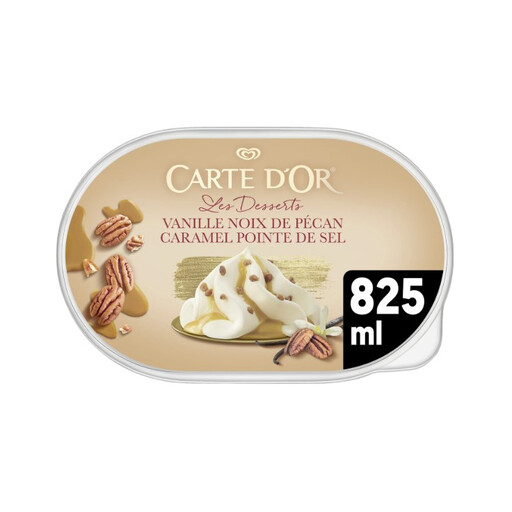 Image unavailable
A tub you can portion as you like for guests who fancy a vanilla and pecan recipe.
The title states 470 g; check the net weight on the packaging before comparing quantities. For guests with allergies, check the information about milk, nuts and any other allergens.
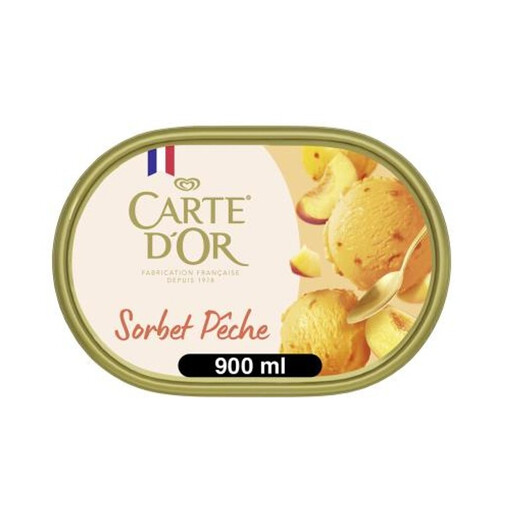 Image unavailable
A peach recipe in a tub if you’d like to serve a fruity option by the spoonful.
The title states 900 mL. As product descriptions use different terms, check the packaging to see whether it’s ice cream or sorbet, and confirm the net weight and allergens.
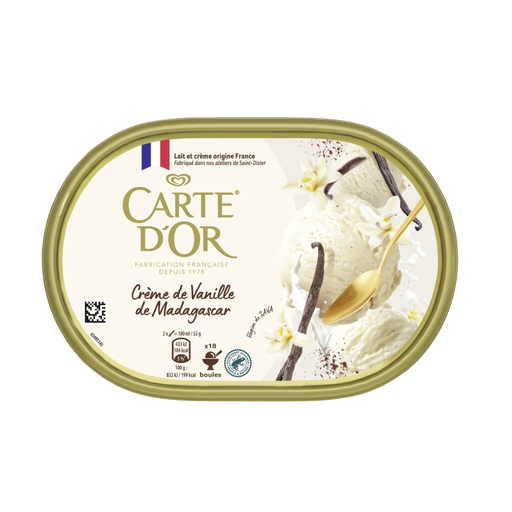 Image unavailable
A Madagascar vanilla tub to consider for serving scoops or bowls.
The capacity details differ between the title and descriptions, so check the volume and net weight on the packaging. Also check the allergen information for this recipe.
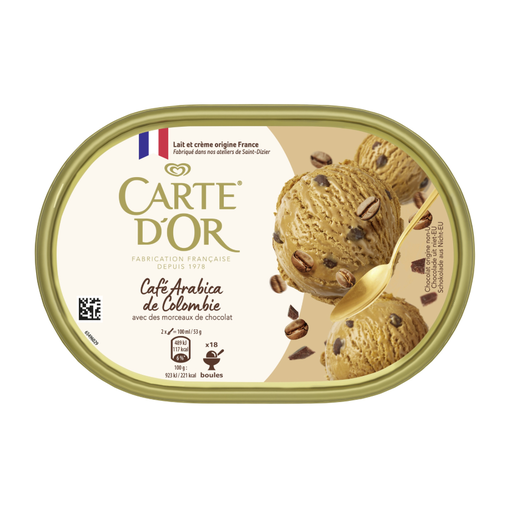 Image unavailable
A Colombian Arabica coffee recipe if you’d like to serve this flavour for dessert.
The title states 900 mL; check the net weight to compare quantities with other tubs, and read the allergen information before serving.
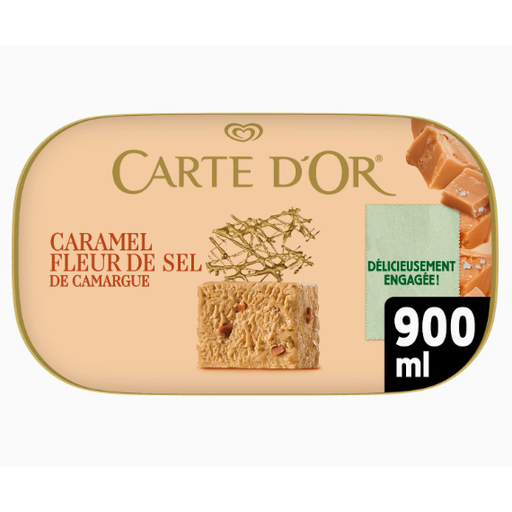 Image unavailable
A salted caramel tub to serve in bowls if this flavour suits your group.
The title states 900 mL; check the net weight on the packaging to compare quantities. For guests with allergies, also read the information about milk and any other allergens.
No. The DGCCRF says milk must be declared if it’s present, even in sorbet. If someone has an allergy, check the ingredients, highlighted allergens and ‘may contain’ statements for the specific product.
Compare their net weight in grams rather than looking at volume alone. The DGCCRF explains that the air incorporated into ice cream can affect its weight for the same capacity.
Buy it at the end of your shop and transport it in an insulated bag, keeping the journey as short as possible, as Anses recommends. Then put it in the freezer and follow the storage instructions on each pack until serving.
Check the dessert’s product description, ingredients, highlighted allergens and net quantity. The Ministry of the Economy reminds consumers that allergens must be declared on the label. Check the packaging of the product you buy, especially if a guest has a dietary requirement.