Hosts who already have dessert planned
If you’re serving pastries, fruit or a selection of treats with coffee, a classic ice cream flavour can complement the plate without adding sauce or chunks.


If you’re serving ice cream with a tart or fruit, a classic flavour leaves more room for the other elements of the dessert. If you’re serving it on its own, a recipe with chunks and sauce can take centre stage. To cater for different tastes, consider offering several flavours or mini tubs, then check the portions, allergens for each product and storage instructions.
If you’re serving pastries, fruit or a selection of treats with coffee, a classic ice cream flavour can complement the plate without adding sauce or chunks.
A recipe with mix-ins and contrasting textures is better suited to those looking for a dessert in its own right. Choose one that takes your guests’ tastes into account.
If any guests mention an allergy or intolerance, make a point of checking the ingredients and allergen information on each tub you’ll be serving, rather than relying on the flavour name alone.
First, decide whether the ice cream will accompany another dessert or be the main event. Then choose the number of flavours and the format to suit your guests, and be sure to check allergens and storage requirements.
| Criterion | What to check | Who is this for? |
|---|---|---|
| Ice cream served on its own | Check whether the recipe contains chunks, mix-ins or sauce. | If ice cream is the only dessert, I want a recipe with textures my guests will enjoy. Around 31% of consumers put this need first. |
| Pairing with the menu | If pastries or fruit are already planned, consider the ice cream flavour and toppings. | If there’s already a tart or fruit on the menu, I’m looking for an ice cream that complements it without repeating the same flavours. This is a priority for around 31% of consumers. |
| Choice of flavours | Check how many mini tubs there are or the total quantity in the tubs, and make sure you have enough freezer space. | When my friends have different preferences, I’d rather offer several flavours without planning too many portions. Around 23% of consumers prioritise this variety. |
| Allergens and storage | Read the label for each product and plan transport that will keep the ice cream frozen. | If a guest mentions an allergy or the journey is a long one, I need to be able to check the product being served and keep it cold. This is the top priority for around 15% of consumers. |
Chunks and sauces can make the ice cream the star of the show, but may clash with a pastry that already has plenty of toppings.
Decide whether you’ll serve the ice cream on its own or as an accompaniment before choosing a flavour.
A recipe may contain ingredients that aren’t mentioned in its name. Häagen-Dazs also notes that product information can change.
Ask your guests about any allergies, read the label on the tub you buy and keep its packaging to hand while serving.
The Ministry of the Economy reminds shoppers that a rise in temperature can increase the risks associated with food storage.
Buy frozen products last, keep the journey as short as possible, use an insulated bag if needed and follow the storage instructions on the packaging.
Tubs, larger containers and mini-tub selections won’t all serve the same number of guests.
Check the net weight or volume and the number of mini tubs before planning how to serve them.
The brand offers classic flavours in tubs, as well as selections of mini tubs.
Its recipes with chunks and sauces are worth considering when ice cream is served as the main dessert.
Its Carrefour Sensation and Carrefour Extra ranges offer several tubs to choose from to suit your menu.
Eskiss tubs offer a choice of classic flavours for sharing after a meal.
The retailer’s range includes tubs in both classic and more adventurous flavours.
These tubs and mini tubs offer three ways to serve ice cream at dinner with friends: on its own, alongside another dessert or as a choice of flavours. Choose a recipe to suit your menu, then check the quantity and the label on the product you buy.
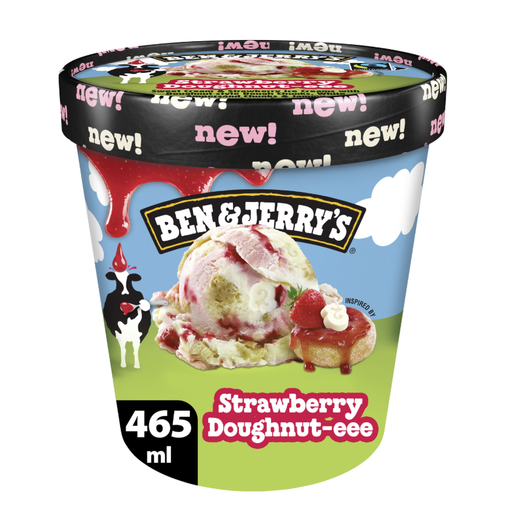 Image unavailable
Worth considering if you’re serving ice cream as the main dessert rather than alongside a pastry with plenty of toppings.
The product listing mentions ingredients including cream, milk, wheat and egg yolk; check the tub’s label before serving it to anyone with an allergy.
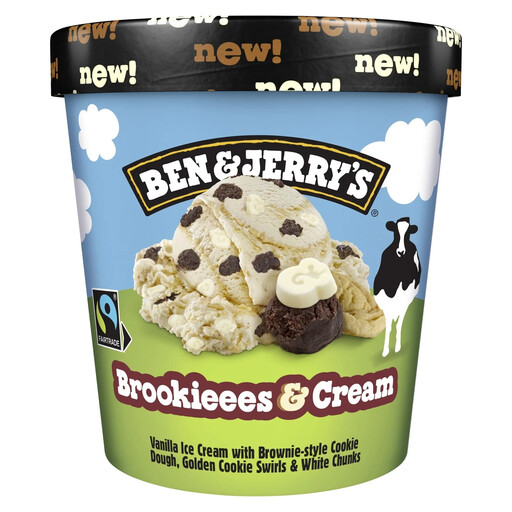 Image unavailable
An option for serving on its own when guests fancy an indulgent recipe. If you’re also planning a cake, think about how the two will go together.
388 g tub. Check the label for the ingredients and allergens in the product you’re serving.
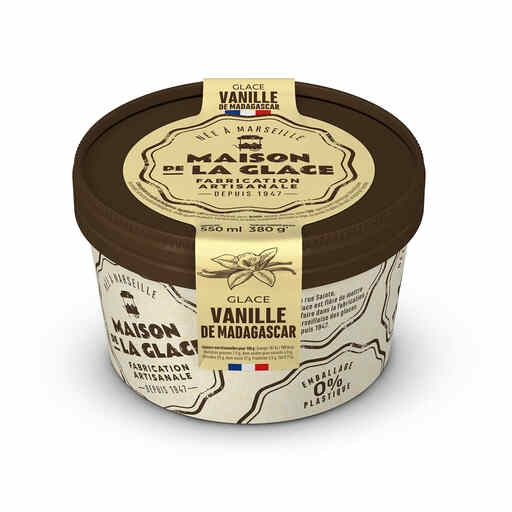 Image unavailable
A vanilla flavour to consider if you’re serving ice cream with fruit or a pastry.
380 g tub: allow for the number of guests and check the label if anyone has an allergy.
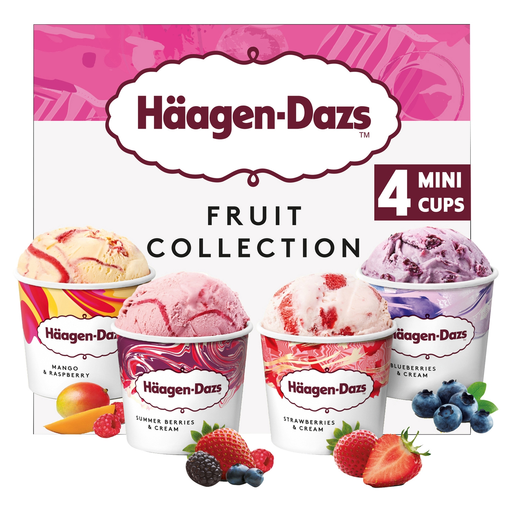 Image unavailable
A selection to consider if you’d like to offer your guests a range of fruity flavours.
Check the net weight, number of mini tubs and allergens for each flavour on the packaging before planning portions.
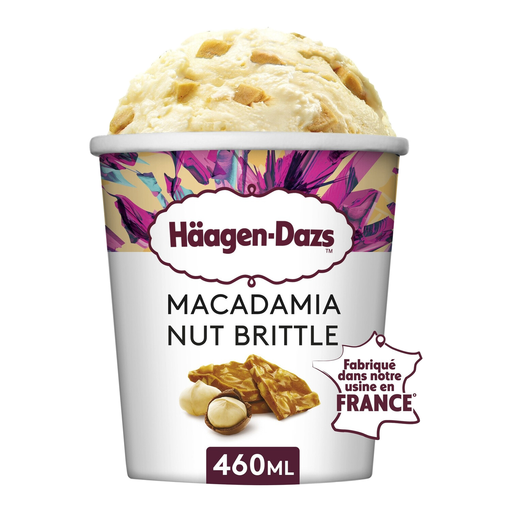 Image unavailable
Worth considering for guests who enjoy macadamia nut recipes, once you’ve checked that this flavour is suitable for the group.
400 g tub. If anyone has mentioned a tree nut allergy, check the label before serving this product.
Choose according to the dessert you want to create: ice cream for a creamy dessert, or sorbet if you’re after something with a stronger focus on fruit. The DGCCRF distinguishes between these categories, so check the product description and ingredients rather than relying on the flavour name alone.
Read the ingredients list and allergen information on the packaging for the flavour and size you’ve bought. The official Your Europe portal explains that allergens must be listed for prepacked foods in the European Union. An online product listing is no substitute for checking the tub you’re serving.
Keep the time between buying the ice cream and putting it in the freezer to a minimum, and use an insulated bag if needed for the journey. Then follow the instructions on the packaging. The Ministry of the Economy reminds shoppers that a rise in temperature can increase the risks associated with food storage.