Organisers without a freezer nearby
If there’s a journey and a wait before you serve dessert on deck, plan how to keep it frozen first. ANSES recommends an insulated bag for frozen foods, while the DGCCRF advises using a cool box for a picnic.


For lunch on deck, choose a frozen dessert in a tub only if you can keep it frozen in transit and serve it without a long wait. ANSES advises using an insulated bag for frozen foods, while the DGCCRF recommends a cool box for picnics. When choosing between ice cream and sorbet, start with the flavours you’d like, then check the net quantity, ingredients and allergens for the exact product. The category name alone isn’t enough to determine whether it’s suitable for everyone.
If there’s a journey and a wait before you serve dessert on deck, plan how to keep it frozen first. ANSES recommends an insulated bag for frozen foods, while the DGCCRF advises using a cool box for a picnic.
If anyone is avoiding certain ingredients or has an allergy, check the ingredients and allergens for the dessert you’ve chosen rather than relying on the label “sorbet” or “ice cream” alone.
If you’re serving several people, check the net quantity and think about how you’ll portion out the dessert. Weight or volume alone doesn’t tell you how many servings you’ll get.
First, decide how you’ll keep the dessert frozen until it’s served. Then choose the recipe and quantity to suit your guests.
Choose this if: your guests would like a creamy texture and the ingredients in the recipe suit them.
Check: ingredients and allergens vary by product. Carrefour Extra vanilla ice cream, for example, contains milk, cream and whey, according to Carrefour.
Choose this if: your group would prefer a fruity flavour to ice cream.
Check: “sorbet” doesn’t guarantee that a recipe is suitable for everyone with allergies. Read the label on the tub you choose and keep it frozen.
| Criteria | What to check | Who it matters to |
|---|---|---|
| Keeping it frozen in transit | A cool box or insulated bag suitable for the journey; storage instructions on the packaging. | If the dessert has to wait before being served on deck, I need to be able to keep it frozen during the journey. Around 42% of consumers would prioritise this consideration. |
| Ingredients | Ingredients and allergens for the exact product; nutritional information if it’s relevant to your choice. | If a guest avoids an ingredient or has an allergy, I can’t choose based on the recipe name alone. This would be a priority for around 25% of consumers. |
| Quantity to share | Net quantity in grams and, if shown on the product, capacity in millilitres or litres; number of guests to serve. | To serve the whole group, I want to check what the tub actually contains rather than estimating portions based on its size alone. Around 33% of consumers would put this question first. |
Time spent between the freezer and serving matters just as much when you’re eating outdoors. The flavour or size of the tub won’t solve this problem.
Buy frozen food at the end of your shop, carry it in an insulated bag or cool box, and minimise the wait before serving, in line with advice from ANSES and the DGCCRF.
Ingredients and allergens depend on the specific product, even when two products share the same category name.
Read the label on the exact product before buying and sharing it if allergies or dietary restrictions are a consideration.
Tubs may show their quantity in grams or capacity in litres without saying how many people they’ll serve.
Compare the net quantities and decide how you’ll serve the dessert based on the number of guests. Check the packaging for any serving information.
Carrefour offers ice cream and sorbet in tubs under its Carrefour Extra and Carrefour Sensation ranges.
E.Leclerc offers tubs of ice cream and sorbet under the ESKISS brand, including products in 500 g, 650 g and 1 L sizes.
Auchan offers ice cream and sorbet in tubs under its own brand and other brands.
Picard offers ice cream and sorbet in tubs under the Fou de range, including 550 g vanilla ice cream and 650 g sorbets.
These sorbets could make a fruity dessert, provided you check the pack size and quantity you’ll need before planning to share them on deck. You’ll still need to keep them frozen in transit.
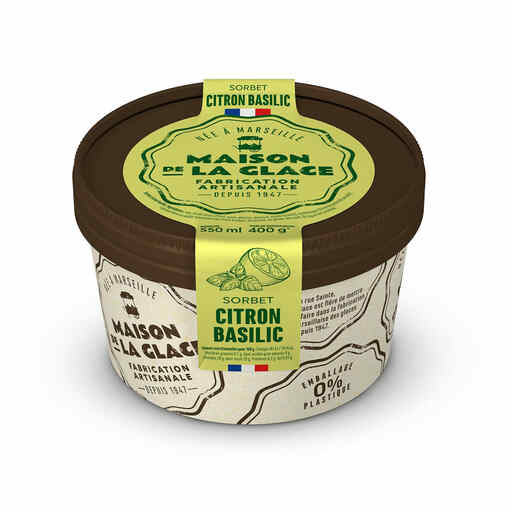 Image unavailable
A lemon and basil sorbet to consider if the flavour suits your group. The listed net quantity is 380 g. Before planning to serve it to several people, check the pack size, possible servings and allergens.
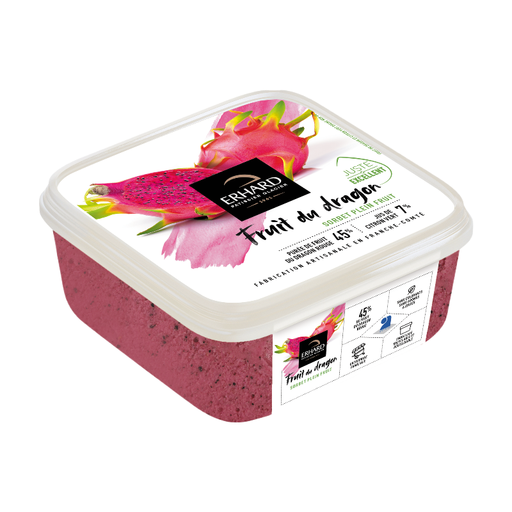 Image unavailable
A dragon fruit and lime sorbet to consider for a fruity dessert. The product name lists it as 488 g. Before choosing it for several guests, check the pack size, possible servings and allergens.
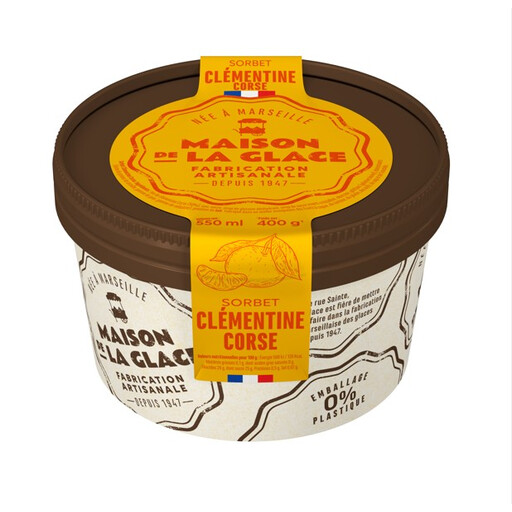 Image unavailable
A clementine sorbet to consider if you’re looking for a citrus flavour. The product name lists it as 380 g. Check the packaging, possible servings and allergens before counting on it for sharing.
Yes, if you can keep it frozen during the journey and while it waits to be served. ANSES advises buying frozen foods at the end of your shop and using an insulated bag; the DGCCRF recommends a cool box for a picnic. Also follow the product’s storage instructions.
No. ANSES advises against refreezing food that has been thawed. If you can’t keep the tub frozen until it’s served, don’t plan to take it home and put it back in the freezer.
No. The name “sorbet” alone doesn’t tell you what it contains or which allergens it may include. For pre-packed food, the DGCCRF says allergenic ingredients must be highlighted on the label. Check the label for the exact product.
Start with the number of people and how you’ll serve the dessert, then compare the net quantities shown. Weight or volume doesn’t automatically tell you how many servings you’ll get. Check the packaging if you need serving guidance.