Hosts who want to check the fat content
You’re planning a special dessert but want to compare the nutritional value per 100 g and understand what any ‘reduced fat’ claim means. The flavour name alone won’t tell you this.


If reducing fat is your priority for this wedding anniversary dinner, check the nutritional value per 100 g of the specific product. If it makes a comparative claim, check what it is being compared with. Sorbet may suit you if you fancy a fruity dessert, while ice cream offers a creamy texture. Neither the word ‘sorbet’ nor a small portion proves that a product is lower in fat.
You’re planning a special dessert but want to compare the nutritional value per 100 g and understand what any ‘reduced fat’ claim means. The flavour name alone won’t tell you this.
You’re considering sorbet instead of ice cream for dessert, and want to check the sugar content and ingredients of your chosen flavour too.
You’re deciding between a creamy recipe and a plant-based one. Before serving, check the ingredients and allergen information for the specific product.
Start with what matters most for your dinner: a reduction in fat that you can verify, the type of dessert you’d like, or your guests’ requirements. Then compare nutritional information on the same per-100 g basis. Don’t assume that sorbet, plant-based recipes and reduced-fat products are all the same thing.
| Criteria | What to check | Who it matters to |
|---|---|---|
| Fat | The value per 100 g for the exact flavour and, if a reduction is claimed, the product used as the comparison. | If I’m mainly looking for a verifiable reduction, I want to be able to compare my chosen tub with a relevant reference product. Around 40% of consumers would make this their top priority. |
| Type of dessert | Whether it is described as sorbet or ice cream, followed by the sugar and fat content per 100 g. | To finish this meal, I’d choose either a fruity sorbet or a creamy texture, without confusing that preference with a nutritional claim. This would come first for around 30% of consumers. |
| Ingredients and allergens | The ingredients list, highlighted allergens and any ‘may contain’ warnings on the packaging. | If a guest has a dietary requirement, I need to check the flavour being served rather than rely on its name alone. Around 20% of consumers would put this compatibility first. |
| Pack size and keeping it frozen | Whether the quantity suits your plans and whether you can transport the product and store it in the freezer. | I want to be able to bring the dessert home and keep it frozen until it’s time to serve, without choosing a pack size that doesn’t suit the meal. Around 10% of consumers would make this their priority. |
These words describe a recipe or how it is presented, but don’t necessarily tell you its fat content. The DGCCRF reminds consumers that nutrition claims are regulated.
Read the value per 100 g for the exact product, and check the comparison basis if a reduction is claimed.
A fruity sorbet won’t necessarily meet every nutritional preference: Carrefour lists 30 g of carbohydrates per 100 g for its Carrefour Extra lemon sorbet.
Compare the nutritional information per 100 g and focus on what matters for your dessert, rather than relying on the front of the tub alone.
According to the French Ministry of the Economy, allergenic ingredients must be listed and highlighted on prepacked foods. The packaging may also include ‘may contain’ warnings.
Ask any guests concerned about allergens what information you need to check, then read the label of the product you’ll be serving.
The journey home and any wait before serving can make it harder to keep the product at a safe temperature.
Follow the advice of Anses: pick up frozen food at the end of your shop, carry it in an insulated bag and put the dessert back in the freezer as soon as you get home.
These brands and retailers offer options to compare. Their inclusion here doesn’t mean their products meet a reduced-fat criterion.
An option if you’re looking for a tub of ice cream for dinner rather than sorbet.
An option for comparing oat-based plant-based recipes if this is something your guests are looking for.
A retailer where you can compare tubs of ice cream and sorbet to suit your dessert.
A retailer to explore when comparing different tubs of ice cream and sorbet.
A retailer to explore for tubs of ice cream and sorbets, including the ESKISS brand.
These sorbets offer a fruity dessert option to finish your dinner. Their names and pack weights don’t confirm that they come in a tub or carry a ‘reduced fat’ claim. If either is a condition of your purchase, check the details on the product you choose.
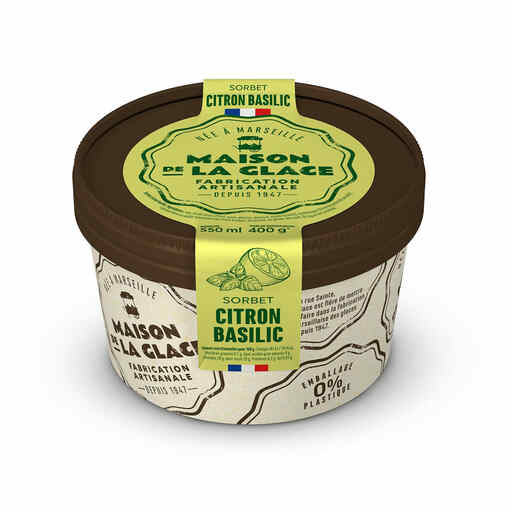 Image unavailable
A lemon and basil option if you’d like to serve a fruity sorbet at the end of your meal. The listed pack size is 380 g. Check the product presentation, nutritional information and any ‘may contain’ warnings before serving.
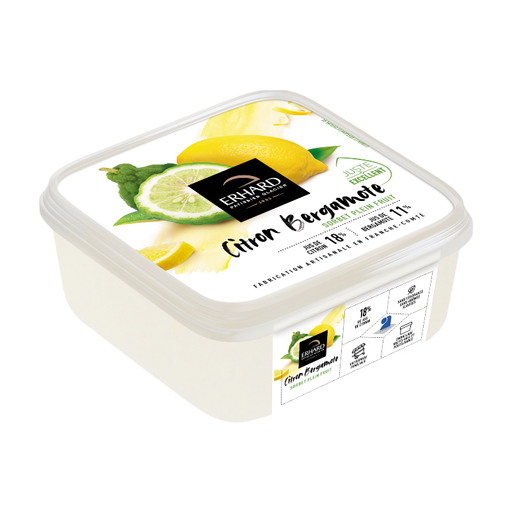 Image unavailable
A lemon and bergamot blend for guests who prefer a citrus dessert. The listed pack size is 488 g. Check the product presentation, fat content per 100 g and any ‘may contain’ warnings on the product you choose.
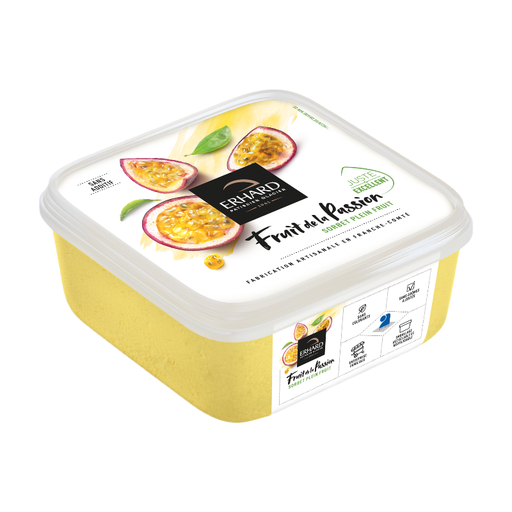 Image unavailable
A passion fruit sorbet to consider if the flavour suits your planned dessert. The listed pack size is 488 g. Check that the product comes in the format you want, then read the nutritional information and any ‘may contain’ warnings.
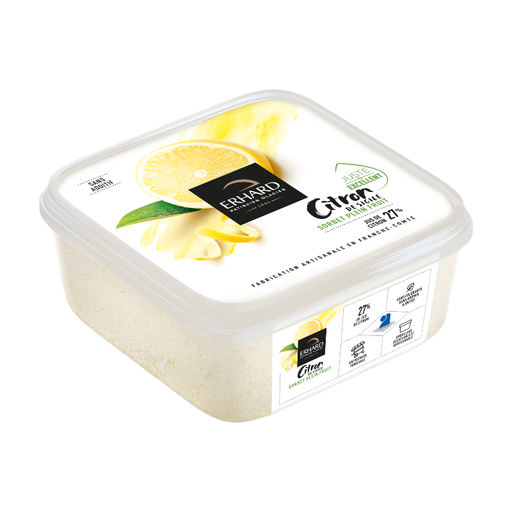 Image unavailable
A Sicilian lemon option for a fruity finish to your meal. The listed pack size is 488 g. Before buying, confirm the product presentation and compare the nutritional values per 100 g on the label.
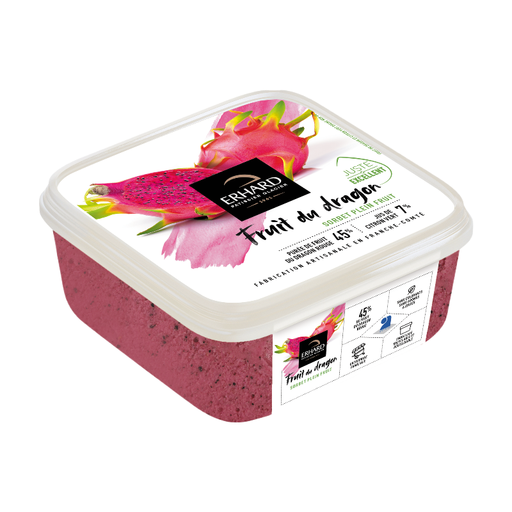 Image unavailable
A dragon fruit and lime blend if you’d like to offer another fruity flavour. The listed pack size is 488 g. Check the product presentation, nutritional information and any ‘may contain’ warnings for the specific product.
No. The product description doesn’t prove that it contains less fat than another product. Check the ‘fat’ value per 100 g for the specific sorbet, and check the comparison product if the packaging makes a fat-reduction claim. You should also look at the ‘sugars’ figure.
Check the ingredients, highlighted allergens and any ‘may contain’ warnings on the packaging of the dessert you’ll be serving. The French Ministry of the Economy reminds consumers that allergens must be declared on prepacked foods. A flavour name or the word ‘vegan’ is no substitute for reading the label.
Buy it at the end of your shop, carry it in an insulated bag and put it back in the freezer as soon as you get home. These steps follow Anses advice to avoid breaking the cold chain.
The product page can help you shortlist a dessert, but check the packaging of the product you receive if fat content or allergens are important to your choice. Häagen-Dazs, for example, says that the most up-to-date information about its products is on the packaging.