To choose a tub of ice cream labelled ‘low fat’, check that the claim appears on the specific product, then compare the ‘fat’ value in the nutrition information per 100 g. A fruity flavour or the name ‘sorbet’ isn’t enough to establish this; if you prefer a creamy dessert, check the ingredients too, but don’t use them to infer the fat content.
Who is this choice for?
Anyone looking for a specific claim
If ‘low fat’ is your main priority, compare the claim on the tub with the nutrition information for that exact product. The European Commission regulates this claim, while the DGCCRF notes that nutrition declarations allow you to compare products per 100 g or 100 ml.
Fans of creamy winter desserts
If you’re choosing a smooth, creamy texture to finish a meal, compare the recipes that appeal to you, then check their nutritional values. A particular texture doesn’t, on its own, tell you how much fat a product contains.
Anyone considering the pack size and local availability
If you’re looking for a tub to share, check the net weight, packaging and flavours available in your shop or through your usual collection option. Sorbet and ice cream don’t necessarily offer the same texture.
What should you look for?
When choosing a frozen dessert for winter, start with what matters most to you, then check the information for the exact flavour and pack you’re considering.
| What matters |
What to check |
Who is it for? |
| Low fat |
The ‘fat’ value per 100 g and any claim shown on the specific product. |
I want the ‘low fat’ claim to be backed up by the label, not inferred from the flavour. Around 42% of consumers might put this check first. |
| Dessert texture |
The product description and ingredients for the flavour you’re considering, without using them to infer its nutritional value. |
To finish a winter meal, I prefer a creamy texture, even if that doesn’t necessarily meet my other requirement for fat content. This might be the top priority for around 25% of consumers. |
| Ingredients and allergens |
The ingredients list and allergen warnings on each pack. |
Before comparing flavours, I need to check that the tub’s ingredients suit me. Around 17% of consumers might put this check first. |
| Pack size and local availability |
The net weight, type of packaging and products available locally. |
I’m looking for a size that suits the dessert I have planned and a flavour I can actually pick up when I shop. This might come first for around 16% of consumers. |
Common misconceptions to avoid
-
Assuming ‘sorbet’ or ‘fruity’ means ‘low fat’
These words describe a product category or flavour, not the fat content of a specific product. The European Commission regulates the ‘low fat’ claim; for solid foods, it sets a limit of 3 g per 100 g.
Check the claim shown on the product and the ‘fat’ value per 100 g on the label. Don’t automatically assume that the limit for solid foods applies to every frozen dessert.
-
Choosing a creamy recipe and assuming it meets the same requirement
A texture you enjoy doesn’t mean the product is low in fat. For example, and referring to one product only, Carrefour’s product listing for Carrefour Extra Coffee with Chocolate Chips ice cream states that it contains 9,3 g of fat per 100 g.
Choose a texture to suit your taste, then compare the nutritional values of the flavours you’re interested in separately.
-
Focusing only on fat and forgetting about allergens
Ingredients and warnings can vary from one flavour to another. A nutritional value that suits your requirements doesn’t answer the question of allergens.
Read the information on the exact product’s packaging before choosing it.
Retailers to check
Carrefour
Product listings for tubs of ice cream and sorbet can help you compare the ingredients and nutritional values of specific products.
- Carrefour’s listing for Carrefour Extra Coffee with Chocolate Chips ice cream states that it contains 9,3 g of fat per 100 g.
- This value applies to that flavour only. Check each other product separately.
E.Leclerc
The Marque Repère range includes tubs of ice cream and ESKISS sorbets.
- Product descriptions and pack sizes can help you spot products to look at more closely.
- Calling a product sorbet doesn’t establish its fat content. Check the nutrition information for the flavour you’ve chosen.
Auchan
Its frozen dessert aisle includes both ice cream and sorbet tubs.
- This distinction can help you find the type of dessert and texture you’re after.
- To check the fat content, look at the product listing or packaging for the specific product.
Sorbet to compare on Joybuy
These sorbets offer fruity flavours to consider for finishing a winter meal. If you’re specifically looking for a tub of ice cream, check the packaging before you buy. Also check the label for fat content and any nutrition claims.
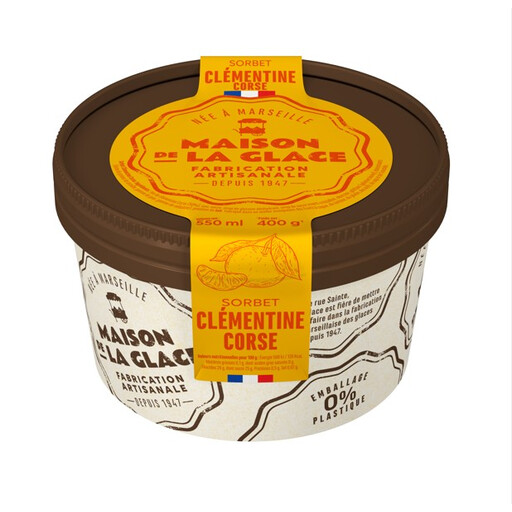 Image unavailable
MAISON DE LA GLACE, Corsican clementine sorbet, 380 g
Worth considering if you’d like to serve clementine sorbet after your meal.
Stated quantity: 380 g. Check the packaging, fat content per 100 g and allergen warnings on the exact product.
View on Joybuy
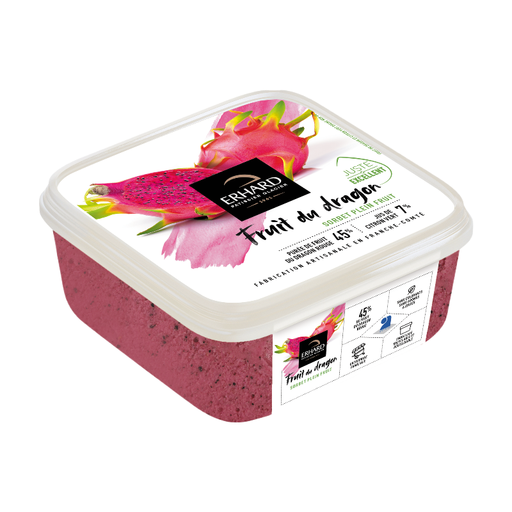 Image unavailable
ERHARD, dragon fruit and lime sorbet, 488 g
Worth considering if you’re after a sorbet combining dragon fruit and lime for dessert.
Stated quantity: 488 g. Check the packaging, fat content per 100 g and allergen information on the pack.
View on Joybuy
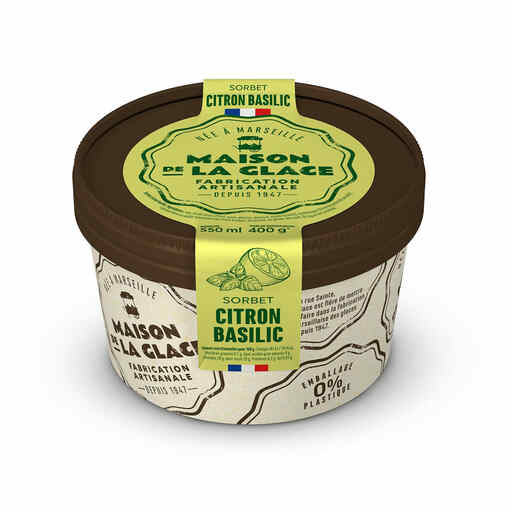 Image unavailable
Maison de la Glace, lemon and basil sorbet, 380 g
Worth considering if you prefer a frozen dessert with lemon and basil.
Stated quantity: 380 g. Check the packaging, fat content per 100 g and allergen warnings for the product you choose.
View on Joybuy
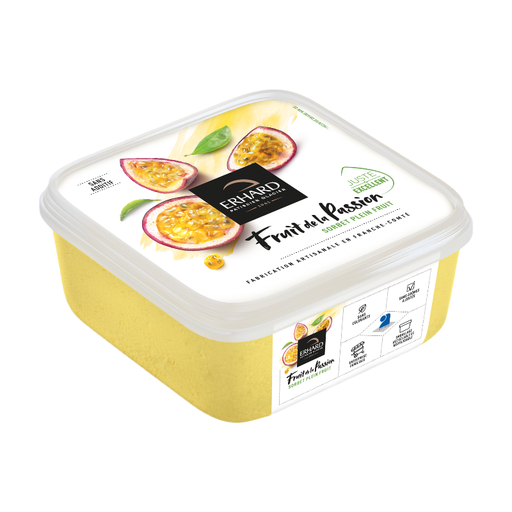 Image unavailable
ERHARD Full Fruit, passion fruit sorbet, 488 g
Worth considering if you’d like a passion fruit sorbet to finish your meal.
Stated quantity: 488 g. Check whether the packaging is the tub you’re looking for, then read the fat content per 100 g and allergen warnings.
View on Joybuy
Frequently asked questions
How can I check whether a tub of ice cream is labelled ‘low fat’?
Check that the claim appears on the specific product and read its fat content in the nutrition information. For solid foods, the European Commission sets a limit of 3 g per 100 g; for liquids, the limit is 1,5 g per 100 ml. Don’t assume which category applies to the dessert you’re looking at.
Is sorbet in a tub always lower in fat than ice cream?
No. The name ‘sorbet’ doesn’t, on its own, tell you the fat content or prove that the product carries a nutrition claim. To compare two products, check their values per 100 g, as well as the exact flavour and packaging.
How should I store frozen dessert after shopping?
Keep the product frozen while travelling home and follow the storage instructions on the packaging. Before serving it or returning it to the freezer, follow the guidance for that specific product.
Is the Nutri-Score enough to help me choose based on fat content?
No. If fat content is your specific priority, check the value per 100 g and any claim shown on the product. Nutri-Score doesn’t replace checking the fat value in the nutrition information.


