
Livraison le jour même ou le lendemain

Qualité garantie

Débloquez vos offres de bienvenue: Livraison GRATUITE | Jusqu'à -80 % | 30 jours d'essai gratuits à JoyPlus
Téléchargez l'application
Between the promises of vitality, the "sugar-free" claims and the vitamin-enriched formulas, choosing a ready-to-drink beverage can quickly become a headache. A hydrating drink doesn't necessarily meet the same needs as an energy drink, and a sugary sports drink isn't suitable for every situation.
To avoid making the wrong purchase, here are the key criteria to consider before ordering a multipack of drinks, an electrolyte drink or a caffeinated beverage.
In everyday life, water remains your best ally for staying hydrated. Vitamin and electrolyte drinks can be useful during prolonged activity or a particularly intense day, but they don't systematically replace water.
An energy drink typically contains caffeine and, depending on the recipe, taurine, guarana or tea extracts. Its main purpose is to boost alertness, not simply to quench your thirst. So before you choose, start by identifying what you actually need.
A sugar-free drink may contain sweeteners, while a low-calorie drink can still deliver a significant dose of caffeine. Take the time to check the nutritional panel, both per 100ml and for the full serving.
For example, Vitamin Well Zero Lemon shows 0kcal and 0g of carbohydrates per 100ml, according to the product information. Vitamin Well React, on the other hand, provides 17kcal and 4.2g of sugars per 100ml, which works out at 21g of sugars in a 500ml bottle.
A pack of 12 or 24 units means you can order less often, but you'll need space to store them. Bottles and cans must be kept dry, away from heat and direct sunlight. Once opened, several products need to be refrigerated and consumed within 24 hours.
For pouches and bottles containing more sensitive ingredients, always check the best-before date and the instructions on the packaging.
If you're looking to replace a very sugary fizzy drink, first compare the grams of sugar per 100ml, then work it out for the volume you'll actually drink. Capri-Sun + Electrolyte shows 4.9g of sugars per 100ml, which is about 16.2g per 330ml pouch. According to the product sheet, the drink also contains magnesium and vitamins.
Sugar-free options, such as Vitamin Well Zero Lemon or Monster Ultra White, contain sweeteners. This may suit some people, but taste and tolerance vary from person to person. For an objective comparison, the ingredients list remains your best guide.
A caffeinated drink should be chosen with your sensitivity and the time of day in mind. Celsius indicates 32mg of caffeine per 100ml, which is roughly 114mg per 355ml can. Monster Rehab Peach also shows 32mg per 100ml, with 160mg per 500ml can.
Drinks with high caffeine content must carry the warnings required by European regulations, particularly for children and pregnant or breastfeeding women. Read the label carefully and avoid combining several sources of caffeine in the same day.
Sodium, potassium, magnesium and calcium are minerals commonly found in sports drinks. However, their presence alone doesn't make a drink suitable for your activity: look at the actual amounts provided per bottle, as well as the sugar content.
For post-workout recovery, Andros Sport Protein Hydration Drink Tropical states 10g of milk protein per 120g serving, along with 0g of fat and 72kcal per 100g. The product contains milk, so anyone with allergies should check the allergen list.
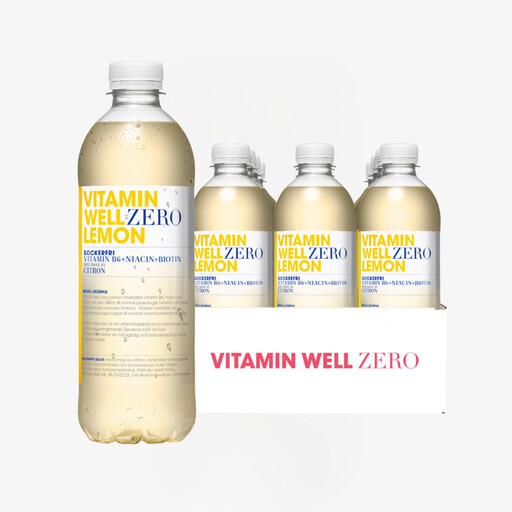
Why this suits this profile: A sugar-free, calorie-free option for occasionally replacing sugary drinks at the office, during classes or while travelling.
The nutritional panel shows 0g of sugars, 0kcal and 0g of carbohydrates per 100ml. However, the presence of sweeteners is still something to consider.
Pack of 12 500ml bottles, still drink enriched with vitamins and zinc according to the product sheet.
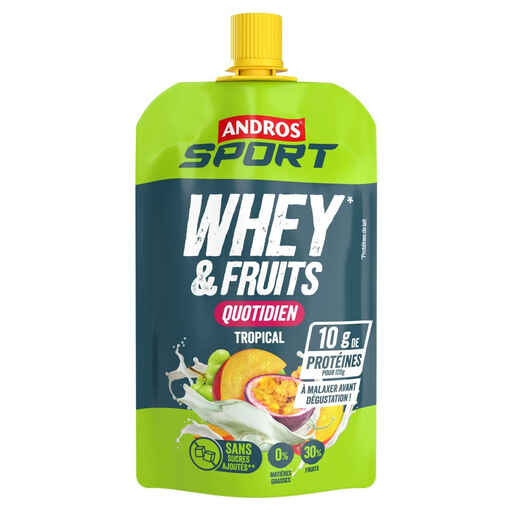
Why this suits this profile: Its compact format and protein content make it a handy post-workout snack.
The product sheet details the protein quantity, calories and allergens, rather than just making a vague recovery promise.
10g of milk protein per serving according to the label, 0g of fat and can be stored at room temperature before opening.
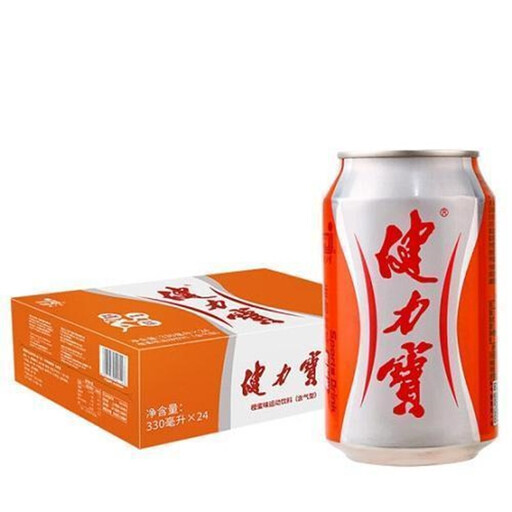
Why this suits this profile: With its 24 330ml cans, this carton is ideal for households, clubs and outdoor activities where you need plenty of stock on hand.
The values per can are clearly stated: 99kcal, 24.75g of sugars and 132mg of sodium. This means you can factor it into your consumption without guessing.
Non-alcoholic canned drink, with sodium, potassium, magnesium and calcium listed in the ingredients.
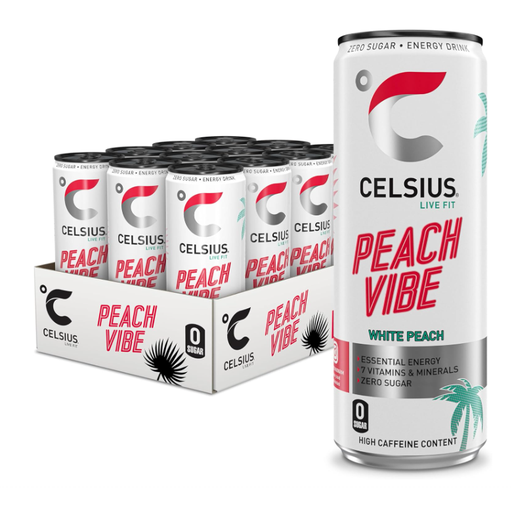
Why this suits this profile: Its 355ml format and declared absence of sugars make it suitable for an occasional pick-me-up during a busy day.
The caffeine content, set at 32mg per 100ml, is clearly communicated. This allows you to calculate how much you're consuming and take the warnings into account.
Approximately 3kcal per 100ml and 0g of sugars stated, with caffeine and specific warnings on the packaging.
We've put together a comprehensive, real-time updated selection of products that meet these strict criteria as well as European safety regulations.
For a typical day, water is usually sufficient. A vitamin or electrolyte drink can be chosen for its taste, format or convenience, but compare the sugars, sweeteners and calories before making it a habit.
Not necessarily. After a workout, start by assessing your needs for water, carbohydrates or protein. A caffeinated energy drink is mainly designed to boost alertness, whereas a protein drink like the Andros product is more like a post-exercise snack, given its composition.
Follow the manufacturer's instructions. Many bottles need to be refrigerated after opening and consumed within 24 hours. An opened can doesn't keep as well: pour it into a clean container, put it in the fridge and check the label for the recommended storage time.