
Livraison le jour même ou le lendemain

Qualité garantie

Débloquez vos offres de bienvenue: Livraison GRATUITE | Jusqu'à -80 % | 30 jours d'essai gratuits à JoyPlus
Téléchargez l'application
Dry, brittle, or dull hair? It's a daily struggle. Faced with shelves overflowing with promises, finding the right hydrating and repairing conditioner can often feel like an uphill battle. While many products boast spectacular results, not all are created equal. To help you sort through the options, we're breaking down the pitfalls to avoid and the criteria that truly matter before you buy.
The goal isn't to find a miracle product, but one that perfectly meets the nature and needs of your hair. The wrong choice can not only be ineffective but also weigh down your hair or leave an unpleasant residue.
Before you even look at the ingredients list, you need to know how to read between the lines of sometimes misleading marketing claims.
To make an informed choice, a quick look at the INCI list is essential. Here are the active ingredients to look for.
Dry hair lacks water (hydration), while undernourished or brittle hair lacks lipids (nutrition). Ideally, a complete treatment combines both.
Essential for brittle hair or hair weakened by colouring and heat, these act like a cement to fill in the gaps in the hair fibre.
Because every head of hair is unique, we have selected products that cater to specific profiles and needs, analysing their formulation and relevance to the most common hair concerns.
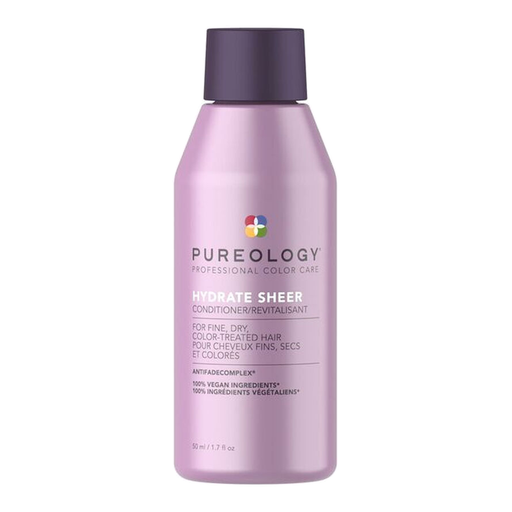
Why we love it: Its lightweight, silicone-free formula provides deep hydration without ever weighing down fine hair—the number one risk with overly rich treatments. Its patented Antifade Complex is a real bonus for preserving colour vibrancy.
It avoids the "one-size-fits-all" trap by offering tailored hydration for fine hair, which needs moisture but not heavy oils, all while protecting colour.
Lightweight hydration and colour protection. A vegan, silicone-free formula, perfect as a conditioner for coloured hair.
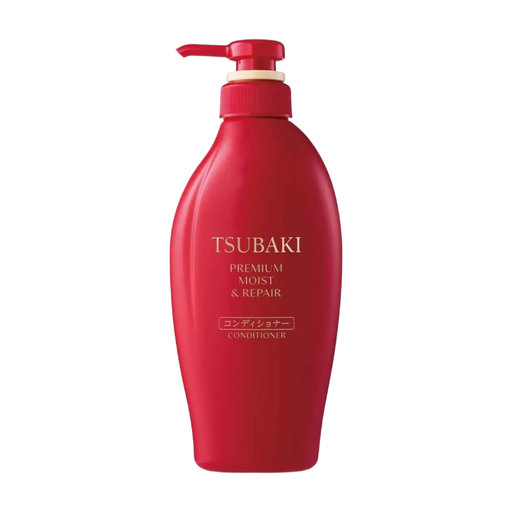
Why we love it: Perfect for hair stressed by chemical treatments (colouring, straightening) that requires intensive repair. Its formula, rich in camellia oil and acetylated sodium hyaluronate, provides deep nourishment.
Rather than just masking damage with a surface-level effect, its formula penetrates the fibre to nourish it from within. The result? A repair you can see and feel.
Intensive repair for hair in distress. It leaves hair incredibly soft, shiny, and easy to manage.
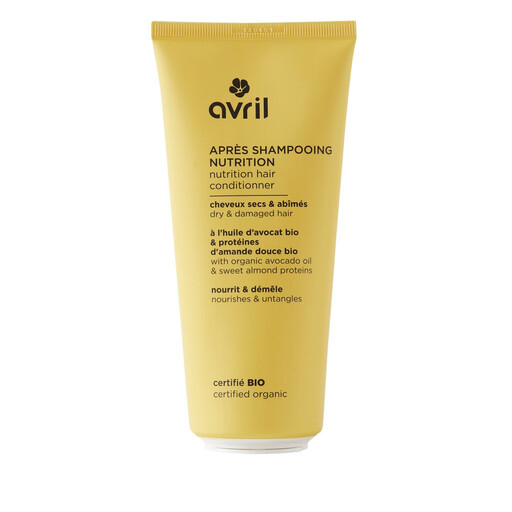
Why we love it: For those who don't compromise on ingredients. Certified Cosmos Organic by Ecocert, made in France, and vegan, this organic conditioner ticks all the boxes. Its effectiveness comes from a duo of organic avocado oil and sweet almond proteins.
It proves that an organic conditioner can deliver high performance. Its formula skips controversial synthetic ingredients without compromising on nutrition and detangling.
Certified organic, a nourishing formula based on vegetable oils and proteins, and made in France.
We have put together a complete selection of products that meet our selection criteria and current regulations.
A conditioner is a detangler for frequent use. Its role is to smooth the hair cuticles and make styling easier right after shampooing. It has a short application time (1 to 3 minutes). A mask, on the other hand, is a deep treatment that is much more concentrated in active ingredients. It's used once or twice a week and left on for longer (5 to 20 minutes) for intensive repairing and nourishing action.
Generally, this is a bad idea. The roots are already bathed in the sebum naturally produced by the scalp. Applying a rich treatment there is likely to make them greasy and weigh down all of your hair. It's better to focus on the lengths and ends, which are always the driest and most sensitised areas.
Not necessarily. It all depends on your hair type and your expectations. For very fine hair, a silicone-free conditioner is often an excellent option to avoid a weighed-down effect. However, for thick, curly, or very damaged hair, certain silicones are valuable allies for coating the fibre, taming frizz, and adding shine. The key is to choose formulas containing water-soluble or volatile silicones, which rinse out easily without building up on the hair fibre.