
Livraison le jour même ou le lendemain

Qualité garantie

Débloquez vos offres de bienvenue: Livraison GRATUITE | Jusqu'à -80 % | 30 jours d'essai gratuits à JoyPlus
Téléchargez l'application
Choosing a hydrating lip balm might seem straightforward. Yet the differences in formula, protection and finish really make themselves felt day to day. Lips that feel tight after a few hours, a stick that melts at the bottom of your bag, or a scent that's too strong – these details can turn a promising purchase into a disappointing product.
Before you opt for a lip stick, a tinted balm or a hydrating gloss, it's worth keeping three common pitfalls in mind.
To care for dry or chapped lips, look for a combination of ingredients that can limit dehydration while improving comfort. Shea butter, vegetable oils, beeswax, glycerin, squalane and certain hyaluronic acid derivatives are common in lip balms.
A nourishing balm generally leaves a richer film, while a lightweight formula can be applied easily several times a day. Those with sensitive skin should also check for the presence of fragrance and fragrant allergens such as limonene, linalool or benzyl benzoate.
Lips are particularly exposed to the sun, especially during walks, holidays and outdoor activities. To choose a lip sun protection SPF, check the factor stated on the packaging as well as the recommendations for reapplication.
The Labello Sun Protect SPF 50, for example, is described by the brand as water-resistant and designed to protect against UVA/UVB rays. Its product page advises reapplying after swimming, eating or wiping your lips. A high SPF does not, however, excuse you from limiting exposure and following the usual sun precautions.
A stick is practical and hygienic for a quick touch-up. A tube allows for a more flexible application, while a tinted balm combines care with light makeup. Compact formats of 1.5 to 4.8 g are easy to carry around, whereas a 10 g tube may be better suited to repeated use at home or in a bag.
If you're looking for a subtle colour, also consider the finish: some products simply deposit a rosy or red hint, while a hydrating gloss focuses primarily on shine. For everyday use, finally, choose a texture that doesn't pill and remains comfortable under a lipstick.
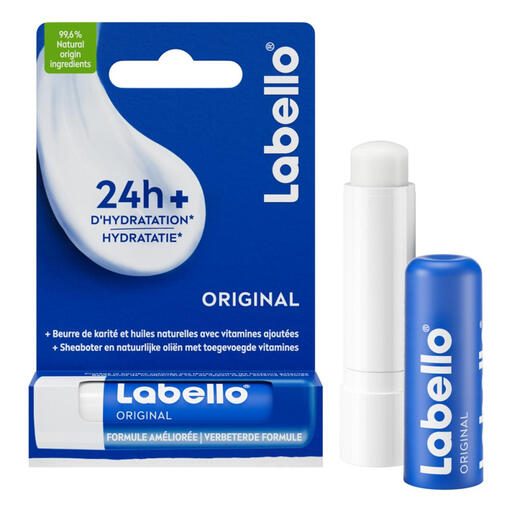
Why this choice suits this profile: This colourless stick is ideal for those looking for a simple routine, with quick application at home or on the go. Its formula contains shea butter, oils and panthenol.
The stick format means you don't need a separate applicator, while the natural finish isn't just a simple glossy effect.
4.8 g format, colour-free, with shea butter and oils listed in the ingredients.
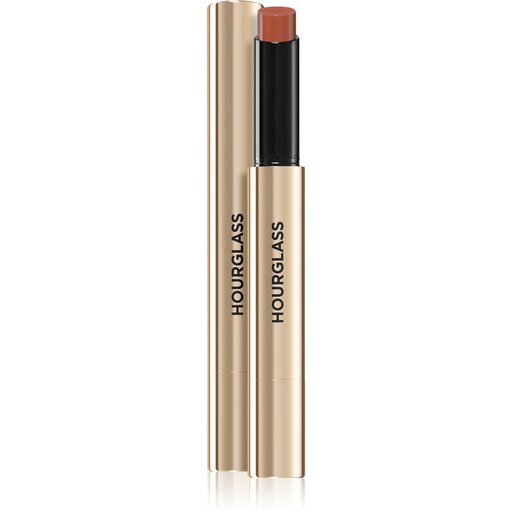
Why this choice suits this profile: This tinted balm combines a subtle colour with a glossy finish. It's aimed at those who want to incorporate lip care into a more polished makeup look.
The colour and shine are clearly linked to a balm base, making it easier to find the balance between makeup and care.
Vegan formula as stated by the brand, with argan and avocado oils, mango butter and shea butter.
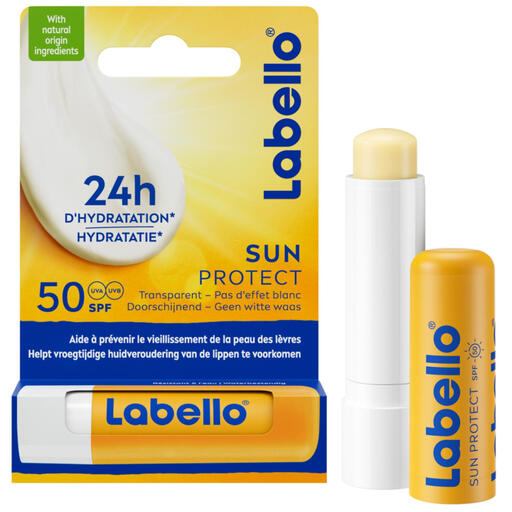
Why this choice suits this profile: This stick is ideal for frequent outdoor trips, seaside stays and activities that require protecting your lips from the sun.
The SPF 50 is clearly stated, with instructions to reapply after swimming, eating or wiping your lips.
UVA/UVB protection mentioned on the product page, shea butter and oils in the formula, described as water-resistant.
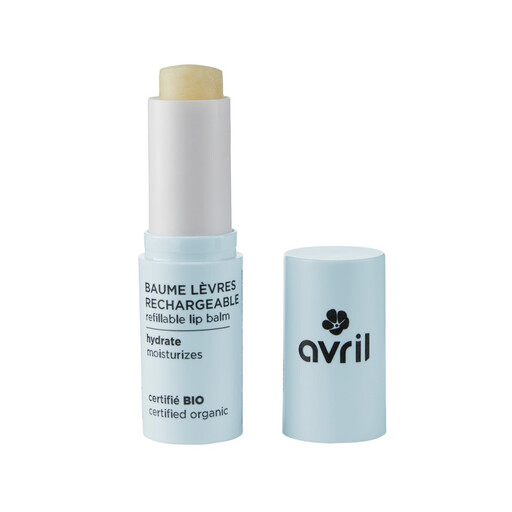
Why this choice suits this profile: This organic and vegan lip balm, made in France, is aimed at those looking for a refillable format and naturally derived ingredients.
The Cosmos Organic certification and the stated percentages allow you to more concretely verify the natural claims.
100% naturally derived ingredients stated, including 26% from organic farming, in a refillable 4 g stick.
We've put together a comprehensive selection, updated in real time, of products that meet these exacting criteria while complying with European safety regulations.
Apply it as soon as your lips feel tight, after wiping them, or before exposure to cold and wind. A product with SPF should be reapplied regularly, especially after eating, drinking or swimming. Also avoid biting or licking your lips – this can make the feeling of dryness worse.
A tinted lip balm generally contains pigments and deposits a light colour while retaining a care function. A hydrating gloss focuses more on shine and often comes in a tube. To make your choice, look at the texture, the intensity of the colour and the ingredients rather than just the visible result in the photo.
Refer to the expiry date or the period after opening indicated on the packaging. Replace the product if its smell, texture or colour changes, or if it has been exposed to heat for a long time. In the event of redness, itching or irritation, stop using it immediately. If symptoms persist, seek advice from a healthcare professional.