
Livraison le jour même ou le lendemain

Qualité garantie

Débloquez vos offres de bienvenue: Livraison GRATUITE | Jusqu'à -80 % | 30 jours d'essai gratuits à JoyPlus
Téléchargez l'application
Tight-feeling lips, tiny cracks after a day in the cold, or a glossy finish that fades within minutes: choosing a hydrating lip balm isn't simply about believing the promises on the packaging. The texture, ingredients, format, and whether it has a tint all make a real difference to your daily experience.
Before you place your order, keep three pitfalls in mind:
For a treatment for dry, chapped lips, go for a texture that relieves tightness without feeling too heavy. Plant oils, waxes and butters form a flexible film that helps preserve comfort. Shea butter, jojoba oil, avocado oil and certain seed oils are common in nourishing formulas.
A hydrating lip stick slips easily into a bag and can be applied without getting your fingers messy. A squeezy tube, like those on some glossy balms, lets you control the amount more freely, but can be less practical in a pocket. For use at the office, on public transport or after a walk, the format matters almost as much as the texture.
Hyaluronic acid, usually in the form of Sodium Hyaluronate, is included in some treatments to help with comfort and hydration of the lip surface. A hyaluronic acid lip balm should not, however, be presented as a medical treatment. Check its position in the ingredients list and look for other beneficial components, such as glycerin, oils or butters.
If you're looking for a vegan lip balm, consult the official product information. The presence of beeswax, lanolin or other animal-derived ingredients changes the status of the formula. The NYX range featured here claims a vegan formula, while several other references use waxes or different components.
A tinted lip balm can replace a subtle lipstick. The colour can often be built up depending on how many layers you apply, as with the NYX Fat Oil Slick Click references. Fans of natural makeup may prefer a rosy, red or violet veil, while a clear balm will suit those who are primarily after comfort.
Cherry, mango, watermelon, vanilla or red berries: fragrances add a sensory dimension, but they aren't essential for hydration. If you have sensitivities, compare the INCI list and stop using the product at the first sign of irritation.
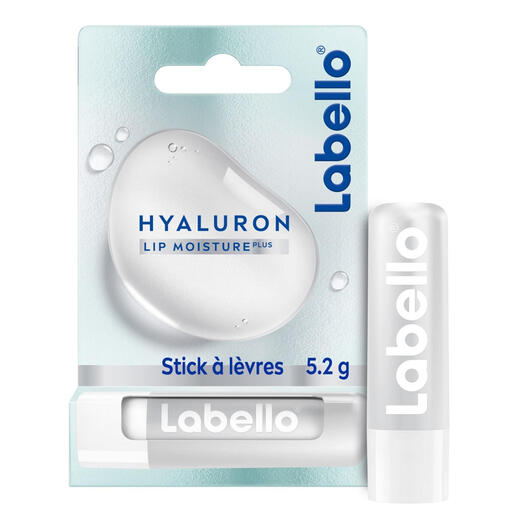
Why this choice suits this profile: Its stick format and reportedly lightweight texture make it easy to adopt a first lip care routine, both at home and on the go.
The 24-hour claim is accompanied by mention of an instrumental test on the product page. It can therefore be understood in context, rather than taken as a universal guarantee.
The formula lists glycerin, shea butter and Sodium Hyaluronate. The product page also states a non-sticky texture.
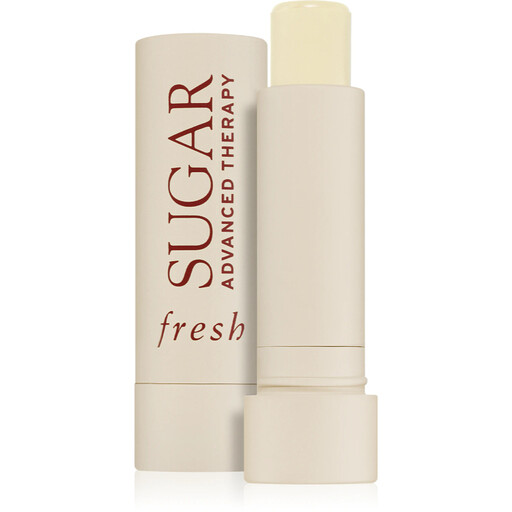
Why this choice suits this profile: It combines an elegant presentation with a formula made up of several oils and butters, for those seeking a more refined sensory routine.
The stated duration is accompanied by the detail "clinical test with 30 subjects". This indication helps you distinguish the reported data from the experience you may have.
The product page states 99% naturally derived ingredients according to ISO 16128, as well as the presence of Sodium Hyaluronate. The formula also contains beeswax.
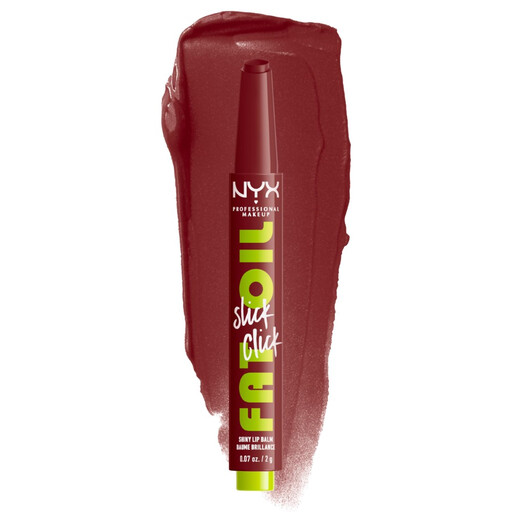
Why this choice suits this profile: The click-button format and buildable colour suit people who reapply their treatment regularly while wanting a quick makeup effect.
The product page states that the colour builds up in layers and that the formula is non-sticky. With only 2 g of product, it's still worth considering the size against how often you'll use it.
The brand claims a vegan formula, enriched with avocado, raspberry and blackberry oils, as well as hydration lasting up to 12 hours.
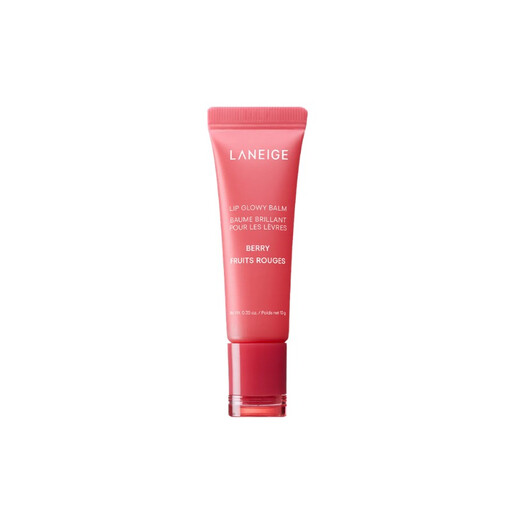
Why this choice suits this profile: Its 10 g tube and berry-tinted veil make it an on-the-go treatment to wear alone or over a lipstick.
The glass-like finish is clearly presented as a glossy effect, not as proof of lasting performance. The product page recommends reapplying as needed.
The formula mentions murumuru and shea butters. The tinted finish and red berry aroma add a subtle makeup dimension.
We've put together a comprehensive list, updated in real time, of products that meet these demanding selection criteria and European safety regulations.
Apply a thin layer to clean lips, then reapply when the feeling of dryness returns. A tinted balm can be worn alone for a light result or over a lip liner. Avoid sharing your stick and close the tube carefully after each use.
How long the product lasts depends on the format, the net weight and how often you apply it. Keep the product away from heat and sunlight, and refer to the expiry date or period after opening indicated on the packaging. If you have an unusual reaction, stop using it and seek advice from a healthcare professional.
Go for a formula containing emollient oils, waxes or butters, with a texture that's comfortable to wear. If your lips react easily, check for fragrances and allergens in the ingredients before you buy.
There's no universal frequency. Applying it in the morning, before going out and whenever your lips start to feel tight can be enough for a daily routine. The product pages for several balms recommend reapplying as needed.
Yes, provided it contains hydrating and emollient agents. The presence of a tint doesn't, however, indicate how effective the formula is. Assess the finish, ingredients, format and any test data provided by the brand separately.