
Livraison le jour même ou le lendemain

Qualité garantie

Débloquez vos offres de bienvenue: Livraison GRATUITE | Jusqu'à -80 % | 30 jours d'essai gratuits à JoyPlus
Téléchargez l'application
Choosing a hydrating lip balm isn't just about grabbing the first stick you see. Between tinted balms, nourishing treatments and hydrating glosses, differences in texture, ingredients, fragrance and sun protection can significantly affect your everyday comfort.
Some marketing claims are also worth a closer look. Here are the criteria to check before you buy, along with a selection of products suited to different needs.
A glossy finish can make your lips look smooth without actually providing any real nourishment. Hydrating gloss formulas often rely on oils, film-forming agents and visual effect. They can feel pleasant during the day, but dry, chapped lips also need a protective film that stays put.
The stated hydration duration should always be taken in context. Labello, for example, notes that some 24-hour hydration claims are based on an instrumental test carried out on 39 volunteers. This detail helps put the promise into perspective: it doesn't necessarily mean a single application will be enough in every situation, especially after a meal, cleansing your lips or exposure to wind.
Essential oils, flavourings and certain scented ingredients may not suit sensitive lips. Before buying an organic lip balm, a tinted balm or an anti-ageing treatment, take the time to check the INCI list on the packaging. Even a natural fragrance can cause a reaction in some people.
For daily use, choose formulas that contain ingredients like shea butter, plant oils, beeswax, jojoba oil or squalane. These help form a comfortable film and reduce the feeling of dryness.
The DHC Moisturizing Lip Cream Classic, for instance, lists virgin olive oil, aloe extract and liquorice derivatives. The manufacturer presents it as free from fragrance, colourants and parabens. At 1.5 g, it slips easily into a pocket or wash bag.
A texture that's too sticky can attract dust and become unpleasant, while a very lightweight formula may need more frequent reapplication. The right choice therefore depends on your habits as much as on how dry your lips are.
Lips are exposed to ultraviolet rays, especially during walks, holidays and outdoor activities. An SPF lip balm can complement your sun protection, provided you check the stated factor and the reapplication recommendations.
The Labello Sun Protect Lip Balm Stick SPF 50 claims UVA/UVB protection, water resistance and the need to reapply after eating, swimming or wiping your lips. It doesn't, however, replace other precautions you should take during prolonged sun exposure.
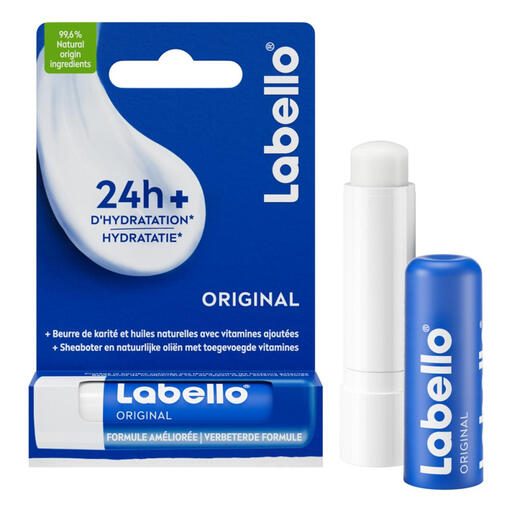
Why this choice suits this profile: Its 4.8 g stick format is designed for daily care. Its formula includes shea butter and natural oils.
The listing states a formula free from mineral oil and paraffin, and details the instrumental protocol behind the 24-hour hydration claim.
A compact format, a reportedly melting texture and an application ideal for regular touch-ups.
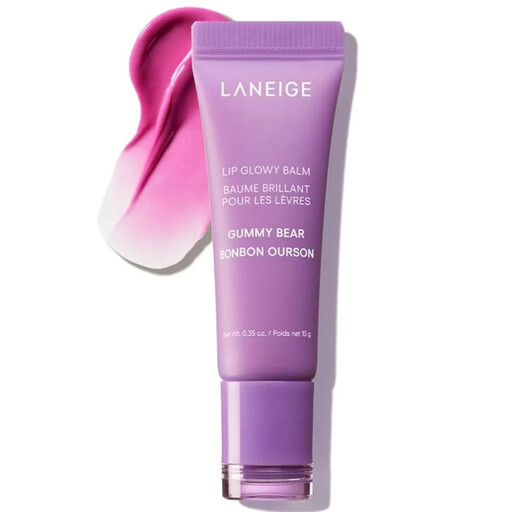
Why this choice suits this profile: Its 10 g tube and glossy finish appeal to those looking for a sensory treatment to wear alone or over lipstick.
The listing specifies the level of shine, the subtle violet tint and the presence of murumuru and shea butters, rather than relying solely on the aesthetic effect.
A 10 g capacity, a glossy effect and a light colour for versatile use.
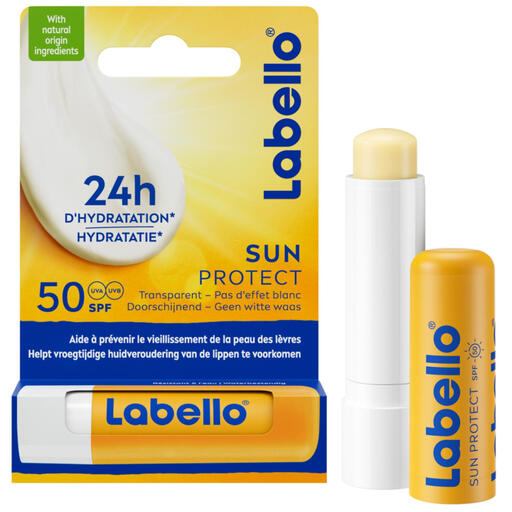
Why this choice suits this profile: It's designed for sunny days out, seaside trips and activities that need frequent reapplication.
The SPF 50 rating is clearly stated and the listing reminds you to reapply after swimming, a meal or wiping your lips.
Claimed UVA/UVB protection, water resistance and a stick format that's easy to carry.
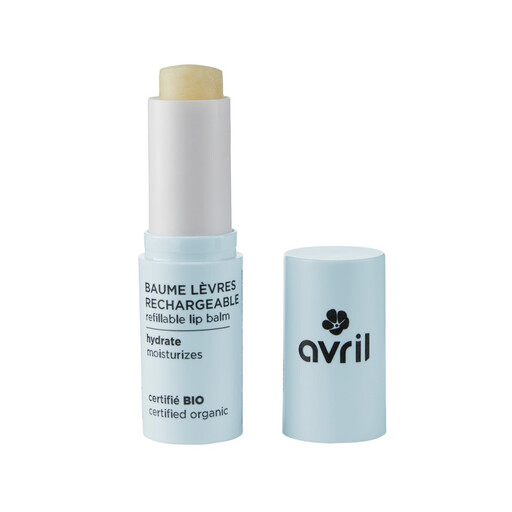
Why this choice suits this profile: Its refillable format suits people who want to avoid replacing the whole case and prefer a naturally derived formula.
The listing specifies the Cosmos Organic certification by Ecocert Greenlife, the claimed 100% natural origin and the refill replacement procedure.
Organic shea butter and castor oil, a vegan formula and made in France.
We've put together a comprehensive, real-time updated list of products that meet these demanding selection criteria and European safety standards.
Apply the balm to clean lips, then reapply as soon as the feeling of comfort fades. If your lips are very dry, choose a richer texture in the evening. During the day, a lightweight stick will often be more practical.
Avoid sharing your lip balm and close the tube or cap carefully after each use. Store it at room temperature, away from heat and direct sunlight. If you experience redness, itching or irritation, stop using it and consult a healthcare professional if necessary.
Go for a nourishing formula based on shea butter, plant oils or protective waxes. If your lips react easily to flavourings, a fragrance-free product could be a good option. How often you need to apply it will then depend on your comfort and the conditions outside.
Yes, provided the texture suits you and the ingredient list contains nothing you're sensitive to. A tinted balm like Labello Cherry or Maybelline Lifter Glaze can add colour and shine. Just remember to check for any fragrance and allergens.
Refer to the symbol indicating the period after opening or the information on the packaging. The actual lifespan also depends on how often you apply it, storage conditions and the state of the product. Replace it if its smell, colour or texture changes.