
Livraison le jour même ou le lendemain

Qualité garantie

Débloquez vos offres de bienvenue: Livraison GRATUITE | Jusqu'à -80 % | 30 jours d'essai gratuits à JoyPlus
Téléchargez l'application
A hydrating lip balm seems simple enough to choose… until your lips still feel tight, the stick melts at the bottom of your bag, or a fragranced formula causes tingling. To avoid disappointing purchases, it’s best to look beyond the promises printed on the packaging.
Your needs aren’t the same depending on the season, sun exposure, skin sensitivity or how often you apply it. A lip stick intended for daily use won’t necessarily meet the demands of a dry lip treatment in winter, nor those of a tinted balm worn all day long.
A very slippery texture or a cooling sensation can give the impression of comfort without actually addressing the needs of dry lips. Take a look at the ingredients and look for a combination of emollient and nourishing agents, such as plant oils, waxes, shea butter or glycerin.
Promises like “24 hours” should be taken with a pinch of salt. They usually correspond to the results of a protocol defined by the brand, sometimes instrument-based or carried out on a limited number of volunteers. That doesn’t mean everyone can go a whole day without reapplying the product.
Aromas, essential oils and fragranced ingredients make application more pleasant, but they aren’t suitable for all lips. If your skin is sensitive, compare the INCI list and opt for a short formula, without fragrance or with a subtle scent.
Even an organic or natural lip balm can contain fragranced allergens. The word “natural” doesn’t let you off reading the ingredients list.
Lips are exposed to UV rays in the city, at the beach and in the mountains. To choose a lip balm with SPF, check the level of protection stated, whether it offers protection against UVA and UVB, and the reapplication recommendations. SPF 15, 30 or 50 aren’t suited to the same uses, but no sun product allows you to stay exposed for long periods without precautions.
For chapped lips, waxes and butters can form a protective, comfortable barrier, while plant oils add more flexibility to the texture. Shea butter, castor oil, jojoba oil and glycerin are common ingredients in treatments designed to nourish and soften lips.
If you’re looking for a lip balm with hyaluronic acid, check for “Sodium Hyaluronate” or another clearly stated form in the ingredients list. This active ingredient is included in some formulas to help create a feeling of softer, smoother lips. However, this is a cosmetic effect, not a medical promise.
With around 4 g of product, a lip stick slips easily into a pocket. A tube offers a different dosage and may suit those who prefer a glossier texture. Also remember to compare the actual capacity: a 10 ml tube and a 4 g stick aren’t directly comparable.
A refillable lip balm also deserves careful checking. Make sure the product includes both the case and the refill, or that the refill isn’t sold separately. Between uses, the system should stay clean and dry.
For an organic lip balm, look for the name of the certification, such as COSMOS Organic, as well as the percentage of ingredients of natural origin and from organic farming. A vegan formula, made in France or composed of natural ingredients meets different criteria: these claims are not interchangeable.
Finally, remember to check the best-before date or the period after opening, usage precautions and the possible presence of allergens. If irritation occurs, stop using it. If the product comes into contact with your eyes, rinse immediately.
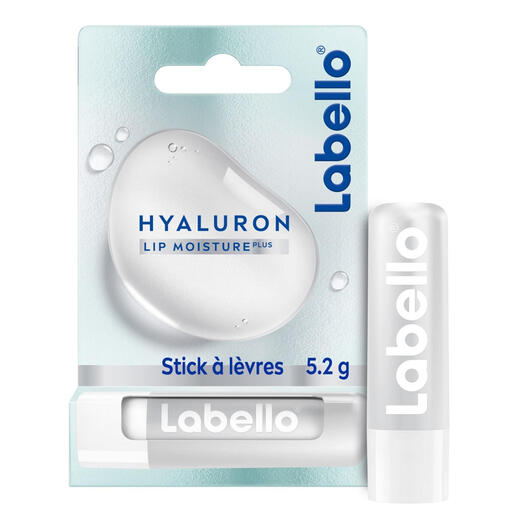
Why this choice suits this profile: Its stick format applies quickly for daily use, at home or on the go. According to the brand, its formula contains glycerin, oils, shea butter and sodium hyaluronate.
The detailed ingredients list lets you check the stated components, rather than relying solely on the hydration promise.
A reportedly light, non-sticky texture, to be reapplied throughout the day as needed.
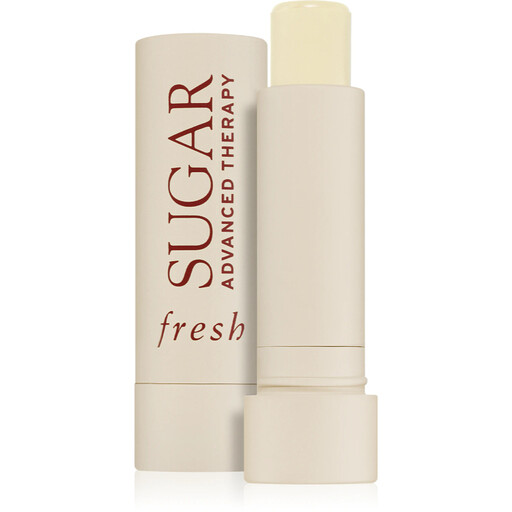
Why this choice suits this profile: It combines a texture suited to daily care with a formula composed notably of oils, beeswax and sodium hyaluronate.
The brand states 99% naturally derived ingredients according to ISO 16128 and specifies that the 24-hour hydration claim is based on a clinical test carried out on 30 subjects.
The description mentions hyaluronic acid pearls, as well as a formula tested under dermatological control.
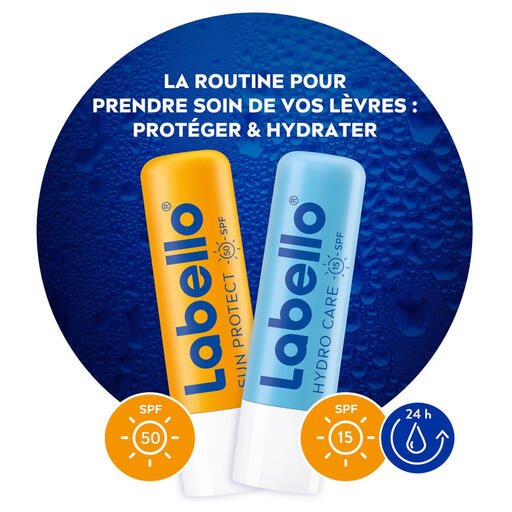
Why this choice suits this profile: This duo distinguishes between strong sun protection and a hydrating treatment with a more moderate SPF.
The two SPF levels are clearly identified. This stops you accidentally using the less protective daily balm during significant sun exposure.
Two complementary sticks, whose formulas as described by the brand contain shea butter and oils.
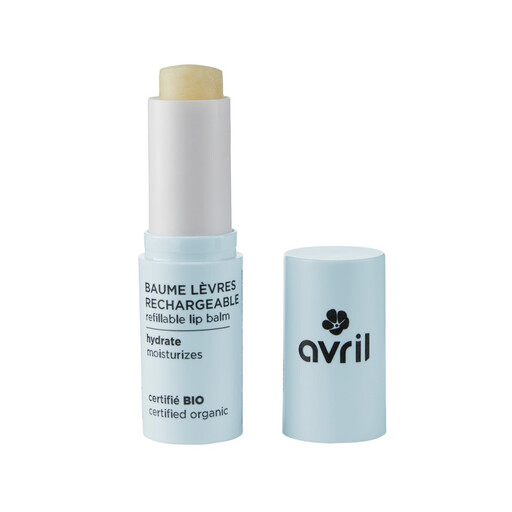
Why this choice suits this profile: Its reusable case and refill are ideal for those who want to avoid replacing the entire stick.
The product includes a refill and an empty stick ready to use. The manufacturer claims a 64% reduction in plastic compared to buying a complete stick.
A vegan formula, certified COSMOS Organic by Ecocert Greenlife, which contains 100% naturally derived ingredients according to the brand.
We’ve compiled a complete selection, updated in real time, of products that meet these exacting criteria and European safety regulations.
Apply it as soon as your lips feel tight or look dry, then reapply after eating, drinking or wiping your mouth. Outdoors, a lip balm with SPF must be reapplied according to the instructions on its packaging, especially after prolonged exposure.
Refer to the date on the packaging as well as the symbol for the period after opening. Store the product at room temperature, away from heat and direct light. If its smell, texture or colour changes, it’s best not to use it any more.
Compare formulas rich in waxes, oils or butters, taking into account any sensitivities you may have. An anti-ageing lip treatment may claim a smoothing or plumping effect, but these results remain cosmetic in nature. If chapping persists, worsens or is accompanied by significant irritation, seek advice from a healthcare professional.