
Livraison le jour même ou le lendemain

Qualité garantie

Débloquez vos offres de bienvenue: Livraison GRATUITE | Jusqu'à -80 % | 30 jours d'essai gratuits à JoyPlus
Téléchargez l'application
A hydrating face cream shouldn't be chosen solely on the promise of "radiance", "anti-ageing" or "mattifying effect". Between temperature fluctuations, indoor heating and pollution, your skin's needs can change with the seasons. A texture that feels lovely in summer can seem too rich in winter, while a lightweight formula may not be enough for dry skin.
Here are the criteria to consider to avoid disappointing purchases and choose a day face cream, soothing cream or repairing cream that is genuinely suited to your needs.
Dehydrated skin primarily lacks water. It can feel tight, even when it produces a lot of sebum. Dry skin, on the other hand, lacks lipids and generally benefits from oils, butters and emollient agents.
Glycerin, hyaluronic acid and sodium PCA help retain water on the skin's surface. Plant oils, squalane and shea butter provide more comfort for dry skin. A face cream for dry skin therefore doesn't necessarily have the same texture as a product intended for combination skin.
The presence of vitamin C, niacinamide, peptides or retinal isn't enough to evaluate a formula. You also need to look at the product's base, check for any added fragrance and take usage precautions into account.
An anti-ageing cream with retinal, for example, needs to be introduced gradually and accompanied by sun protection in the morning. AHA, BHA and PHA acids can also increase your skin's sensitivity to the sun. These active ingredients don't automatically fit into every routine.
Sensitive skin can react to fragrance, certain preservatives or the combination of several stimulating active ingredients. Conversely, combination to oily skin may struggle with a very occlusive texture, even if it feels comfortable upon first application.
Before placing an order, look for mentions of fragrance-free, hypoallergenic, non-comedogenic or suitable for sensitive skin. These should always be cross-referenced with the INCI list and the recommendations on the packaging.
A cream applied in the morning needs to absorb quickly enough not to interfere with makeup. Rich textures are often more pleasant in the evening or during cold periods. For oily skin, a mattifying cream in a tube can also be easier to dose and carry.
The format is also worth your attention. Tubes and pots of 40 to 50 ml are suitable for targeted use on the face. A 75 to 100 ml format is more practical for regular application on the face and neck.
Always check the ingredient list of the product you receive: manufacturers can change their formulas. Scented products may contain allergens such as benzyl alcohol, limonene or linalool. Before first application, a patch test on a small area is a sensible precaution, especially with a face cream for sensitive skin.
Cosmetics certified by Ecocert or carrying an organic label should not be confused with a guarantee of effectiveness. A certification provides information about composition and manufacturing requirements, but it does not guarantee the same result for every user.
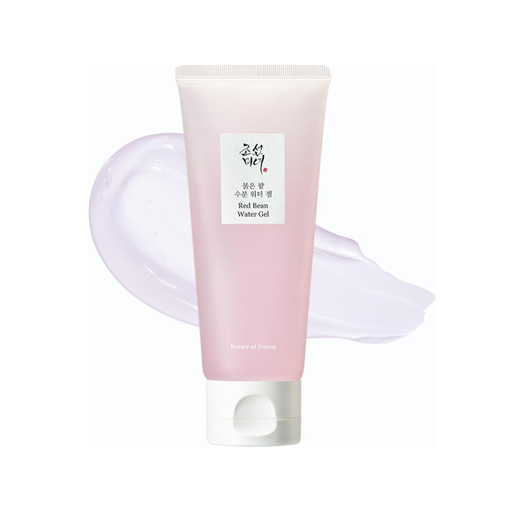
Why this choice suits this profile: its 100 ml format and lightweight gel texture fit easily into a daily routine, especially for combination to oily skin.
The formula is stated to be alcohol-free and fragrance-free, and relies on a lightweight texture that limits the greasy feeling.
Red bean extract, glycerin, panthenol and peptides combined in a lightweight, hydrating 100 ml texture.
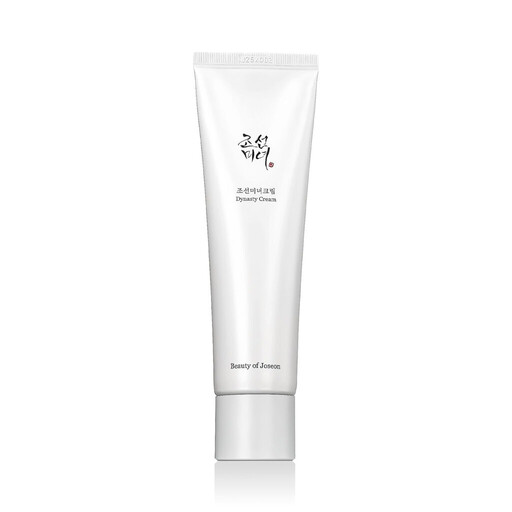
Why this choice suits this profile: its creamy texture and versatility, for both morning and evening, will appeal to those seeking a sensorial product with multiple comforting ingredients.
The description details the texture, format and INCI list. You can therefore check for the presence of fragrance or allergens before buying.
Rice water, ginseng water, niacinamide, squalane, hyaluronic acid and ceramide NP.
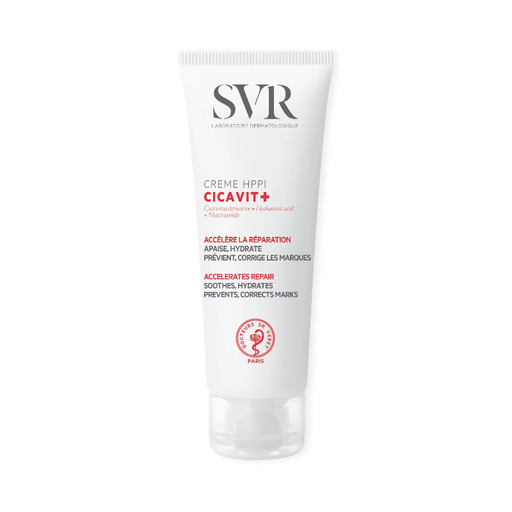
Why this choice suits this profile: its texture and use on both face and body make it suitable for those seeking a targeted product during periods of dryness or skin discomfort.
The instructions recommend applying in a thin or thicker layer depending on need, with immediate discontinuation if irritation occurs.
Glycerin, shea butter, dimethicone and sodium PCA in a 40 ml format made in France.
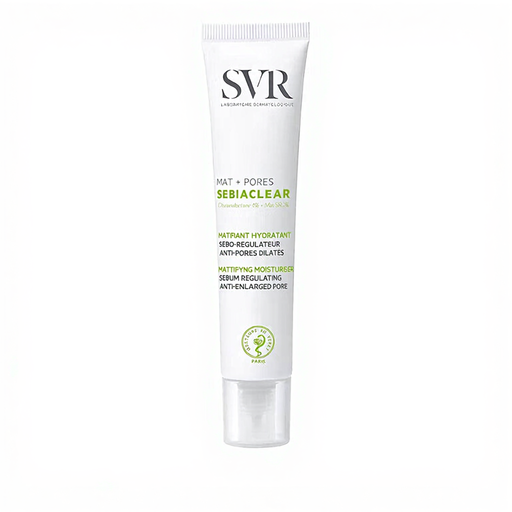
Why this choice suits this profile: its fluid texture and velvety finish easily complement a daily routine, including under makeup.
The formula aims to balance hydration with a matte finish, rather than simply masking shine.
Silica, gluconolactone, niacinamide and salicylic acid in a formula stated for combination to oily skin.
We have selected a comprehensive list, updated in real time, of products meeting these exacting criteria and European safety standards.
Apply the cream to clean skin, after your serum if you use one. A small amount is generally enough for the face and neck. In the morning, a cream containing SPF does not necessarily replace a dedicated sun protection product, especially during prolonged exposure.
With a new formula containing acids, retinal or several targeted active ingredients, start by spacing out applications. If persistent redness, itching or discomfort occurs, stop using the product and seek advice from a healthcare professional.
Opt for a gel or fluid texture, combining hydrating agents and, possibly, silica. The non-comedogenic mention can be useful if you are prone to blemishes. However, it does not replace checking the composition or monitoring your skin's reaction.
Yes, provided its texture and composition suit you. However, a sunscreen filter is of no use in the evening. Products containing retinal or acids should be used according to the manufacturer's recommendations, often in the evening.
Respect the best-before date or the period after opening indicated on the packaging. Close the pot or tube carefully after each use and store it away from heat and direct light. Any change in smell, colour or texture should prompt you to stop using the product.