
Livraison le jour même ou le lendemain

Qualité garantie

Débloquez vos offres de bienvenue: Livraison GRATUITE | Jusqu'à -80 % | 30 jours d'essai gratuits à JoyPlus
Téléchargez l'application
Rough-feeling hair, lengths that tangle, split ends, or curls that lose their definition: a hydrating conditioner for dry hair can make styling much more pleasant, provided you choose the right formula. Texture, ingredients, and format often matter more than the promises printed on the bottle.
A formula may contain oils or butters without being suitable for fine hair. Conversely, a very lightweight treatment may lack comfort for coily, curly, or heavily damaged hair. Hydration mainly affects softness and feel, while nourishment adds more body and protection to the lengths.
Claims like "intense repair", "professional", or "deep nourishment" aren't enough to compare two products. Instead, check the ingredient list, the targeted hair type, the recommended leave-in time, and whether perfume or declared allergens are present.
A rich conditioner can make detangling easier, but it can also weigh down fine hair. On the other hand, a lightweight treatment may feel insufficient on thick or very dry hair. Adjusting the amount you use and applying it only to the lengths, away from the roots, often helps you fine-tune the result.
For a detangling conditioner, look for conditioning agents such as fatty alcohols, cationic compounds, or certain polymers. These make the hair fibre smoother and help the comb glide through. A formula rich in fatty alcohols isn't necessarily drying – these ingredients have nothing to do with denatured alcohol, which is used as a solvent.
A 1,000 ml bottle is ideal for regular use or a household with several people, while a 50 ml or 200 ml size is handy for testing a texture or travelling. Follow the recommended leave-in time: one to three minutes is enough for many formulas, whereas a richer treatment may need longer.
The products below have been grouped by different uses. They are not a substitute for comparing the full ingredient list or checking the information on the packaging.
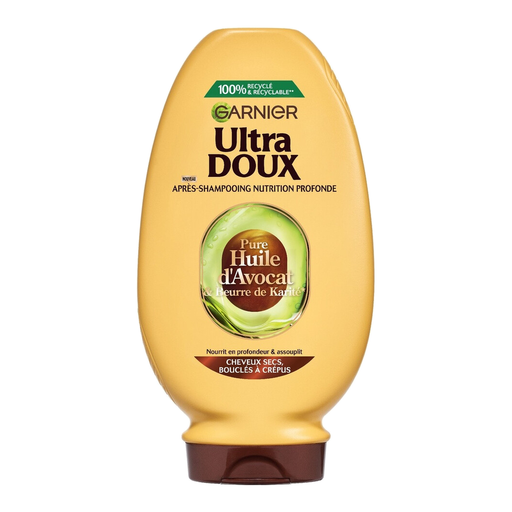
Why this choice suits this profile: Its 250 ml size and formula with avocado oil and shea butter make a good first routine for dry, curly, or coily hair.
The target "curly to coily hair" is clearly stated, which reduces the risk of choosing a treatment that is too lightweight for dry hair.
Avocado oil, shea butter, detangling action, and a texture described as nourishing without being heavy.
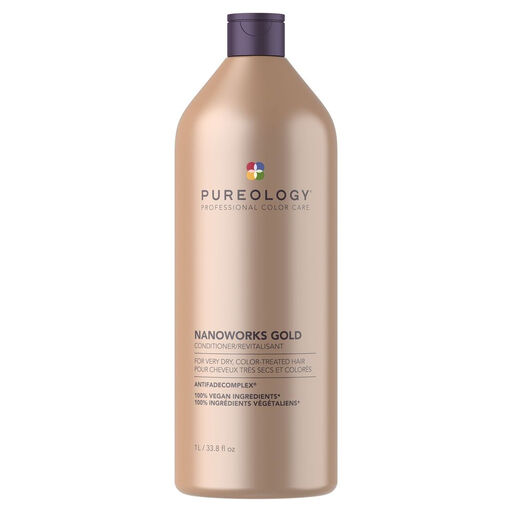
Why this choice suits this profile: This large format is designed for very dry, coloured hair, with a rich texture aimed at dull, rough, or brittle lengths.
The formula is described as sulphate-free, paraben-free, and vegan, while the ingredient list can be checked for verification.
Shea butter, marula oil, plant protein, and a 1 L format suitable for a regular routine.
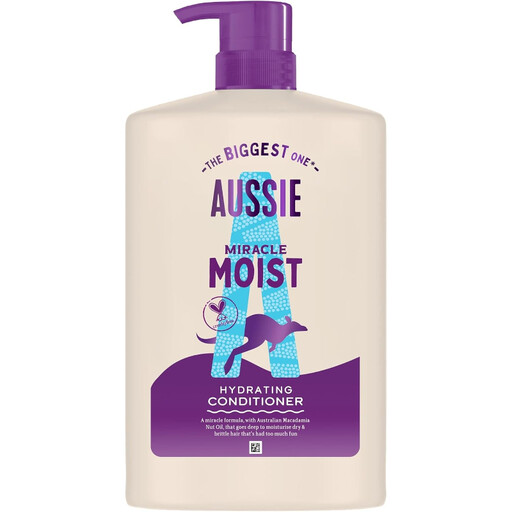
Why this choice suits this profile: Its family-sized format and focus on detangling make it suitable for dry or weakened hair that is washed frequently.
The 1,000 ml volume lets you compare the price per millilitre, rather than relying solely on the price shown on the bottle.
Macadamia nut oil, a vegan formula as stated by the brand, and targeted application to the lengths and ends.
We have put together a comprehensive, real-time updated list of products that meet these strict selection criteria and the requirements of European safety regulations.
After shampooing, gently squeeze out your hair, then distribute a small amount of product through the mid-lengths and ends. Leave it on according to the manufacturer's instructions before rinsing thoroughly. Fine hair will appreciate a light dose, while thick or very dry hair may need a more generous application.
A conditioner for coloured hair or a sulphate-free treatment can fit into a gentle routine, but always check the composition of the product you choose. If irritation occurs, stop using it immediately. Avoid contact with the eyes and follow the precautions stated on the packaging.
Yes, if the formula suits your hair type and doesn't leave a greasy film or a feeling of heaviness. On fine hair, use a small amount and apply only to the lengths. For curly, coily, or very dry hair, regular use can make detangling easier.
A nourishing conditioner typically relies on oils, butters, and softening agents. A conditioner for damaged hair may also contain proteins, amino acids, or film-forming agents designed to temporarily improve the feel and manageability. No cosmetic product can permanently rebuild hair that is already split – very damaged ends may sometimes need to be cut off.
Check the symbol indicating the period after opening, as well as the date on the packaging. Keep the bottle closed, away from heat and direct light. If the smell, colour, or texture changes, it's best to stop using the product.