
当日/次日达

品质保障

开启新人专享福利: 全场免邮 | 低至 2 折 | 免费试用 30 天 JoyPlus 会员
下载 Joybuy
A skin that feels tight after cleansing, fine lines made worse by dehydration, or a shiny T-zone despite dry cheeks – in these conditions, finding the right face care product can be tricky. The shelves are packed with serums, creams, masks and cleansers, all making rather broad promises.
To compare hydrating and anti-ageing face care, it’s best to rely on concrete criteria: the ingredient list, the texture, skin tolerance and how well it fits with the rest of your routine. Here are the main pitfalls to avoid, along with a selection tailored to different profiles.
A rich cream can leave skin feeling supple straight after application without necessarily suiting combination or blemish-prone skin. Conversely, a light gel may feel pleasant day to day, but be too little for dry skin exposed to cold, heating or temperature changes.
You need to distinguish humectants, such as glycerin, panthenol or hyaluronic acid, from ingredients that help limit water loss – notably ceramides, oils and certain fatty substances.
Combining a retinol serum, exfoliating acids and a salicylic acid cleanser can quickly overload a routine, especially if your skin is sensitive. Redness, discomfort and peeling may then lead you to abandon several products at once.
Retinol should be introduced gradually and accompanied by sun protection in the morning. The Elizabeth Arden capsules and SVR serum shown below contain retinoids: read the precautions for use carefully, carry out a patch test and avoid these products during pregnancy, breastfeeding or when trying to conceive if the leaflet advises against it.
A high percentage does not necessarily mean a product will suit your skin. The pH, presence of fragrance, combination of active ingredients and texture all play a role. Check the INCI list on the packaging, as the formulation can change, then keep your routine simple for a few weeks before adding a new active ingredient.
The efficacy claims displayed on brand product pages should be treated as marketing information, not as a guarantee of individual results. The effects stated for certain anti-wrinkle products, for example, are based on the protocols specified by the manufacturers.
Dry, sensitive skin will often appreciate a fragrance-free formula enriched with emollients and ceramides. Combination skin may prefer a gel-cream texture, or a product that can be adapted to different areas. The AXIS-Y Cera-Heart My Type Duo Cream, for instance, distinguishes between a gel texture for the T-zone and a richer cream for the cheeks.
For a daily routine, apply products from thinnest to thickest: gentle cleanser, serum, moisturiser, then sun protection in the morning. A hydrating night mask can also replace the moisturiser on some evenings, without layering products.
A large 400 ml bottle can be practical for daily use on dry skin, while a 30 ml serum is better suited to targeted application. Single-dose capsules avoid guesswork when measuring, but they generate more packaging and come with a different budget.
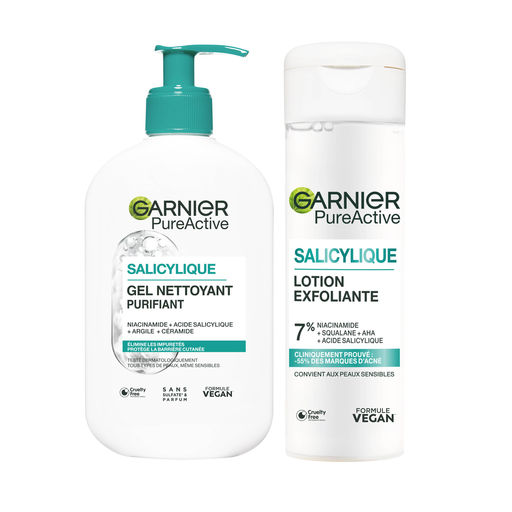
Why this choice suits this profile: This 250 ml cleanser lets you start a routine with niacinamide, salicylic acid, clay, glycerin and ceramides, without piling on products from the start.
It is used as a cleansing step, rather than a treatment left on the skin for a long time. Those sensitive to salicylic acid should, however, space out their uses.
A practical format, with glycerin and sodium hyaluronate, in a formula designed to remove impurities.
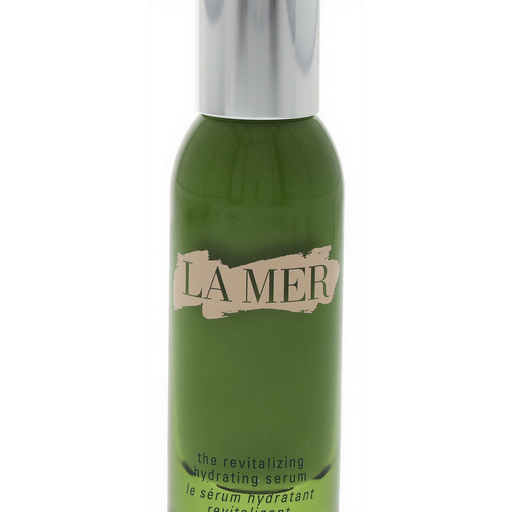
Why this choice suits this profile: Its light gel texture and 30 ml format are aimed at those seeking a premium experience, focused primarily on hydration.
The description highlights a quickly absorbed texture – nevertheless, check the INCI list and your skin’s tolerance before purchasing.
A fluid serum, usable morning and evening according to the brand, with a clearly premium positioning.
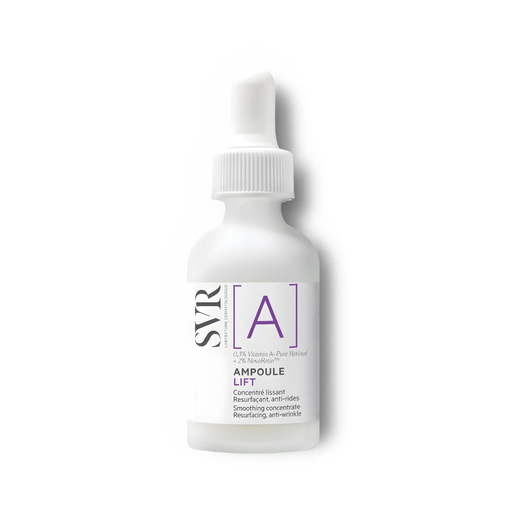
Why this choice suits this profile: This 30 ml serum is aimed at those who want to incorporate retinol into a structured routine, with a formula stated to be fragrance-free.
The product page indicates a concentration of 0.3% pure retinol: start gradually, avoid irritating combinations and apply sun protection.
Retinol, niacinamide and ceramides combined in a texture described as silky and non-sticky.
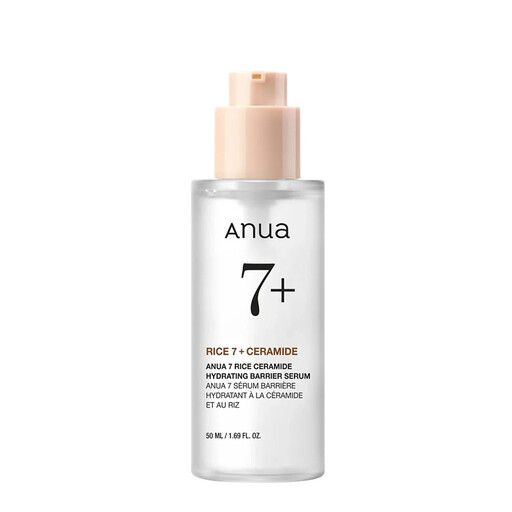
Why this choice suits this profile: Its fragrance-free formula combines rice bran water, panthenol, hyaluronic acid and ceramides for a daily routine focused on strengthening the skin barrier.
It focuses on hydration and supporting the skin barrier rather than piling on exfoliating active ingredients. A patch test is still recommended before first use.
A 50 ml format, indicated for morning and evening use, along with niacinamide, panthenol and several hydrating ingredients.
We have compiled a comprehensive list, updated in real time, of products that meet these demanding selection criteria and European safety regulations.
Yes, provided the formulas are compatible and well tolerated. Apply the serum first, then the moisturiser. If your skin is sensitive, start with a simple hydrating routine before introducing retinol or another targeted active ingredient.
Generally, allow several weeks with a stable routine to assess your skin’s comfort, suppleness and tolerance. Check the best-before date and batch number on the packaging. Replace a product sooner if its smell, colour or texture changes.
Opt for a short formula, fragrance-free if possible, containing glycerin, panthenol, hyaluronic acid or ceramides. Avoid introducing a retinol serum, an exfoliant and a salicylic acid cleanser all at the same time. If irritation persists, seek advice from a healthcare professional.