
Livraison le jour même ou le lendemain

Qualité garantie

Débloquez vos offres de bienvenue: Livraison GRATUITE | Jusqu'à -80 % | 30 jours d'essai gratuits à JoyPlus
Téléchargez l'application
Choosing a new mattress can quickly become a daunting task. Should you prioritise the firm support of springs or the cradling comfort of memory foam? What if the solution was to no longer have to choose? The hybrid mattress does just that by reconciling these two worlds, merging the best of each technology for truly restorative sleep.
This guide breaks down the features of a good hybrid mattress and presents a selection of top models. The goal: to help you make an informed choice, without the unnecessary marketing jargon.
A mattress is a long-term investment. To ensure you make the right decision, here are the essential criteria to scrutinise before you buy.
If you share a bed, you're likely familiar with the sensation of being woken up in the middle of the night by your partner's movements. Motion isolation is precisely the mattress's ability to absorb these movements so they don't spread across the bed. Thanks to their pocketed spring technology (each spring is individually wrapped in a fabric pouch), hybrid mattresses excel in this area. Each spring reacts locally to pressure, isolating movement. This is a game-changer for guaranteeing peaceful nights.
Good support is crucial for preventing or alleviating back pain. An effective mattress for back pain must keep your spine in a natural alignment, regardless of your sleeping position. Modern hybrid mattresses very often incorporate multiple comfort zones (usually 3, 5, or 7). These zones offer differentiated support for different parts of the body: firmer at the lumbar region for proper support, and softer at the shoulders and hips to limit pressure points. This ergonomic design promotes deep muscle relaxation.
Temperature regulation is a key factor for quality sleep. If you tend to sweat at night, a breathable mattress is essential. The very structure of a hybrid mattress ensures excellent air circulation. The space between the springs creates an air volume that allows heat and moisture to escape naturally. This ventilation is often enhanced by open-cell foam layers and thermo-regulating covers for a lasting cool sensation. This advantage is particularly noticeable on larger sizes, like the popular 160x200 cm mattress, where heat can accumulate more easily.
To guide you, we have analysed several models based on their technical specifications, design, and the specific needs they address.
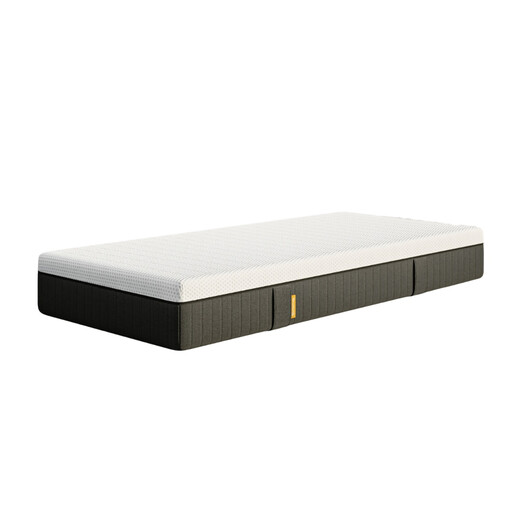
What sets it apart: This model is an excellent entry point into the world of hybrids. It makes Emma's expertise accessible by integrating essential comfort technologies, with an improved cover for better breathability compared to previous versions.
Key Features:
Who is it for?: Ideal for solo sleepers, teenagers, or as a first hybrid mattress purchase. It suits all sleeping positions and those looking for excellent value for money.
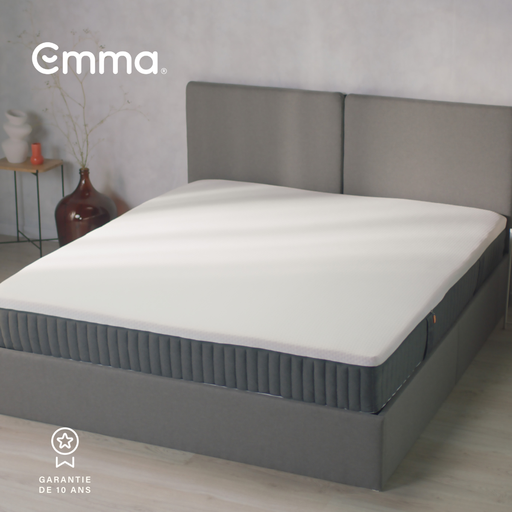
What sets it apart: A well-rounded and refined model that focuses on shared comfort. It combines pocketed springs and memory foam for a perfectly balanced feel—not too firm, not too soft. Its design is engineered for couples.
Key Features:
Who is it for?: Particularly recommended for couples. It's also an excellent choice for people looking to relieve pressure points or those who suffer from back pain, thanks to its highly precise zoned support.
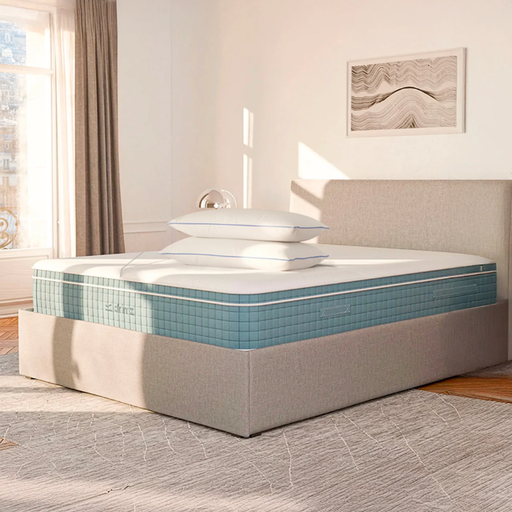
What sets it apart: This premium model is a clear step up. Its generous 30 cm thickness and sophisticated multi-layer construction aim to recreate a luxury hotel experience at home.
Key Features:
Who is it for?: For those seeking a luxurious feel and superior comfort. Ideal for discerning couples who prioritise motion isolation and for individuals sensitive to heat.
The hybrid mattress is a highly versatile solution, but every sleeper is unique. If you prefer the purely contouring feel of foam without the bounce of springs, other technologies might be a better fit for you.
Discover our complete selection of memory foam mattresses to explore other worlds of comfort.
The difference lies at the very core of the mattress: its composition. A memory foam mattress is made up solely of different layers of foam (polyurethane, viscoelastic, etc.). A hybrid mattress, on the other hand, combines a base of springs (most often pocketed) with one or more comfort layers of foam (memory foam, latex, or other types). The hybrid thus offers the best of both worlds: the dynamic support of springs and the contouring comfort of foam.
A good quality hybrid mattress typically lasts between 8 and 10 years. The combination of robust springs and high-density foams gives it excellent durability and better resistance to sagging than some entry-level 100% foam mattresses. To maximise its lifespan, it is advisable to rotate it head-to-toe every 6 months.
Absolutely. It is actually one of the most recommended solutions. The spring core provides firm, stable support, which is essential for keeping the spine properly aligned. On the surface, the foam layers help relieve pressure points at the hips and shoulders. For optimal support, look for models with differentiated comfort zones, which adapt more precisely to your body shape.