
Livraison le jour même ou le lendemain

Qualité garantie

Débloquez vos offres de bienvenue: Livraison GRATUITE | Jusqu'à -80 % | 30 jours d'essai gratuits à JoyPlus
Téléchargez l'application
Skin that feels tight after a shower, fine lines becoming more noticeable by the end of the day, or a complexion that looks tired: hyaluronic acid face care addresses a common need – restoring comfort, suppleness and deep hydration. Serum, cream, gel, eye contour or gift set: there’s no shortage of options, but not all products target the same concerns.
The “plumping” promise alone isn’t enough to make the right choice. Texture, formulation, format and usage precautions are far more important when building a hydrating skincare routine suited to your skin.
Hyaluronic acid is a humectant that helps the skin retain water on the surface. It can improve the feeling of comfort and give a temporarily smoother appearance. This does not mean an anti-wrinkle serum erases wrinkles or replaces sun protection.
Claims like “48 hours”, “100 hours” or “visible results in a few weeks” are based on data provided by the brand and on specific test protocols. They do not guarantee the same result for everyone.
A high percentage isn’t the only factor to consider. A formula may contain different forms of hyaluronic acid, such as sodium hyaluronate, hydrolysed hyaluronic acid or acetylated hyaluronic acid. Their position in the INCI list, the presence of glycerin, panthenol or ceramides, as well as the product’s texture, directly influence the experience.
A lightweight hyaluronic acid serum will generally be easy to layer, while a rich cream will suit drier skin better, especially in winter.
Sensitive skin can react to certain fragrances, essential oils or fragrance allergens. Products containing denatured alcohol may provide a cooling sensation, but they aren’t necessarily suitable for all skin types.
A face cream shouldn’t be automatically applied to the eyelids. For this delicate area, opt for a hyaluronic acid eye contour with specific instructions, and avoid any direct contact with the eyes.
Read the INCI list on the packaging before using the product, as the formula can change. Glycerin, panthenol, aloe vera and ceramides are commonly used in hydrating products. The presence of fragrance or fragrance allergens deserves particular attention if your skin reacts easily.
Products containing retinol, acids or several targeted active ingredients should be introduced gradually. A patch test on a small area can help identify a reaction, but it doesn’t replace the advice of a healthcare professional if a problem persists.
A 400 ml pot can be practical for the face, hands and body, while a 30 ml bottle is better suited for targeted use. Compare the price per volume, but also the amount actually needed for each application. For a serum, a few drops are usually enough before the cream.
In the morning, a hyaluronic acid moisturising cream with SPF can simplify your routine. However, check the details regarding UVA and UVB protection, and apply a sufficient amount of sunscreen when exposure requires it.
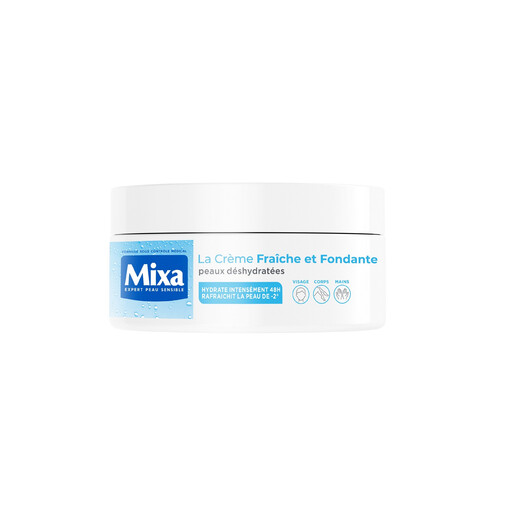
Why this choice suits the profile: its large format is ideal for a daily routine for the face, hands and body. The product page indicates a formula based on glycerin, shea butter and plant oils, designed for dry and sensitive skin.
The page describes a lightweight, non-sticky texture, but fragrance appears in the INCI list: check the formulation before purchase if your skin is reactive.
150 ml format, multi-zone use, glycerin, sodium hyaluronate and shea butter listed in the formulation.
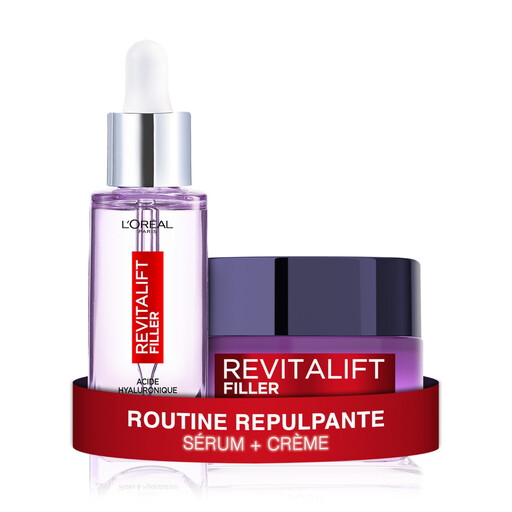
Why this choice suits the profile: this set combines a serum and a day cream for those who prefer not to build their routine separately. The product page mentions hyaluronic acid and application in the morning after cleansing.
Don’t take the brand’s claimed results as a personal guarantee. The formula notably contains fragrance and denatured alcohol: check the INCI list according to your tolerance.
Two complementary products, a serum stated at 1.5% hyaluronic acid and a 50 ml day cream.
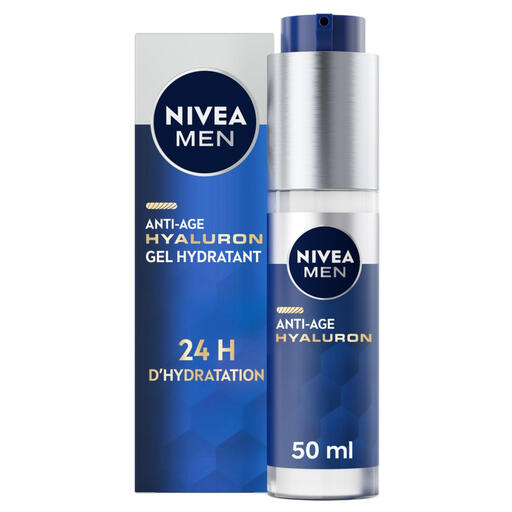
Why this choice suits the profile: this face gel is aimed at those looking for a simple step after cleansing, with a lightweight texture and a refreshing sensation.
The presence of pro-retinol and fragrance calls for careful reading of the formulation. Avoid the eye area and follow the recommendations on the packaging.
Non-greasy gel texture as stated, 50 ml bottle, sodium hyaluronate and vitamin E present in the listed ingredients.
For a targeted area, apply the eye contour in a small amount, without rubbing. Hydrating patches and discs can occasionally complement the routine, but they don’t replace a suitable cream.
We’ve gathered an updated selection of products that meet these criteria to help you compare formats, textures and formulations.
Yes, most serums are designed for daily use, morning and/or evening. However, always follow the instructions, start with a small amount and stop using it if you experience redness, itching or irritation.
It’s generally a good idea. The serum provides a lightweight hydrating first step, while the cream boosts comfort and helps limit water loss. For intense facial hydration, combining the two textures can be more effective and practical than using a single product.
It can certainly have a place in a sensitive skin routine, but tolerance depends on the overall formula. Check for the presence of fragrance, alcohol, essential oils and other potentially irritating active ingredients. Always read the ingredient list on the packaging before application.