
Livraison le jour même ou le lendemain

Qualité garantie

Débloquez vos offres de bienvenue: Livraison GRATUITE | Jusqu'à -80 % | 30 jours d'essai gratuits à JoyPlus
Téléchargez l'application
Excessive humidity in a home is a persistent menace. Condensation on windows, musty odours, mould stains spreading in corners… These warning signs reveal an overly damp environment that can harm not only your comfort but also the health of your home. To combat this problem, the chemical humidity absorber stands out as a simple, effective, and electricity-free solution.
However, the market is flooded with models in a wide variety of formats, and it's easy to make the wrong choice. Our mission as product experts is to help you see things more clearly. Let's break down the pitfalls to avoid and the essential criteria for choosing an absorber that is genuinely suited to your needs.
Before you rush into buying the first product you see, keep these common mistakes in mind, as they often lead to disappointment and unnecessary expense.
To make an informed choice, focus on these three fundamental parameters.
This is the number one criterion. Manufacturers always indicate the surface area (in m?) for which their product is designed.
Each format has its pros and cons.
The stability of the device and its anti-leak system are paramount. For models with a tank, make sure it has a practical pouring spout and a secure closure. For sachets, opt for versions that turn water into gel or those with a perfectly sealed reservoir to prevent any contact between the liquid and your belongings. This is a non-negotiable point for peace of mind and no nasty surprises.
Here are a few options that cater to different user profiles, taking into account the criteria we've just discussed.
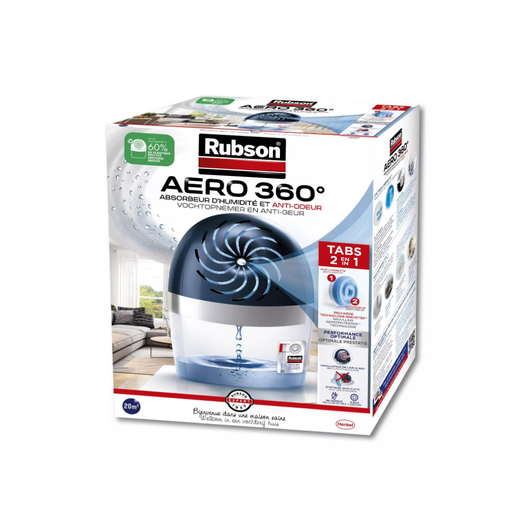
Why we chose it: This is the gold standard for medium-sized rooms like the living room, bedroom, or kitchen. It's designed to effectively combat condensation, odours, and mould over an area of up to 20 m?.
Perfectly calibrated for standard rooms, it avoids the "one-size-fits-all" trap. Its widely available Rubson refill system ensures you'll never be caught without consumables.
Its aerodynamic design ensures 360° air circulation for optimal absorption. The device is made from 60% recycled plastic.
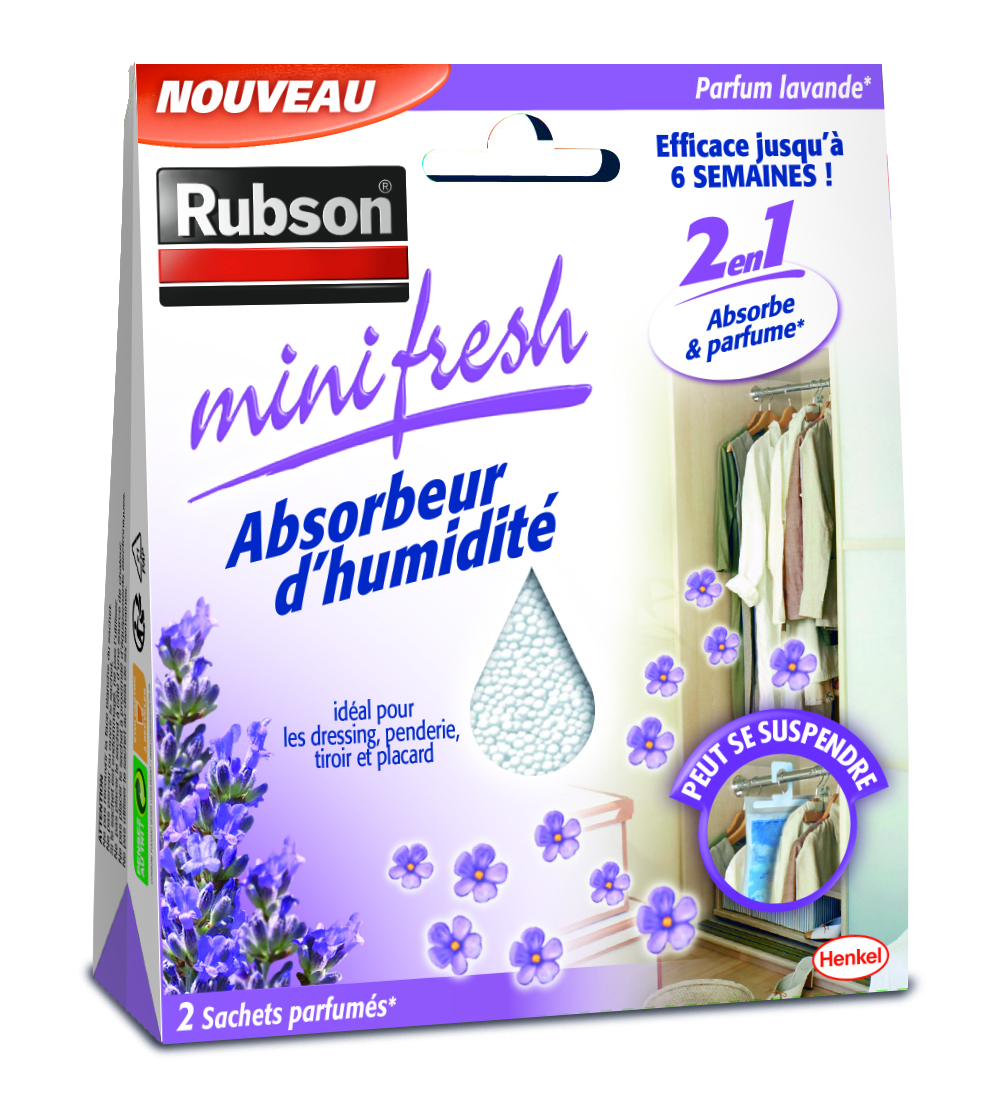
Why we chose it: The ideal solution for confined spaces (1-2 m?) like wardrobes, drawers, or cars. Its sachet format is as versatile as it is discreet.
It counters the main danger: leaks. Its pearls transform captured humidity into a compact gel, ensuring no corrosive liquid will escape onto your clothes or shoes.
2-in-1 action: it absorbs humidity and releases a pleasant lavender scent. The sachet can be laid flat or hung using the included adhesive hook.
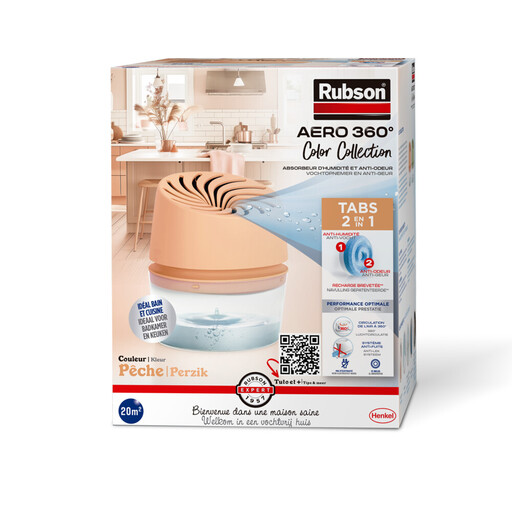
Why we chose it: For anyone who wants to combine effectiveness with aesthetics, without compromising on decor. This device offers the same performance as the classic Aero 360° in a colourful, modern design.
It checks all the boxes: a high-performance solution for a room up to 20 m? (goodbye, sizing trap!) and a stylish design that ends the dilemma of a purely functional object.
It combines the proven effectiveness of the Aero 360° anti-mould system with a colourful, trendy design. It features a level indicator to let you know when to change the refill.
Explore our full selection of absorbers that meet our performance and safety criteria.
The lifespan of a refill depends mainly on the humidity level and the size of the room. As a general guide, a 450g humidity absorber refill, like those for the Rubson Aero 360° devices, lasts about 2 to 3 months in a 20 m? room. A 50g sachet for a wardrobe will be effective for about 6 weeks.
Yes, absolutely. Chemical absorbers operate without electricity and are completely silent, making them perfect for a bedroom. For optimal comfort, you can choose a model with a neutral-scented refill. Just be sure to place it out of reach of children and pets.
The collected liquid is a brine (very salty water). It's best to empty it into the toilet rather than a sink; over the long term, its high salt concentration could damage metal pipes. Used refills and saturated sachets can be thrown away with household waste, in accordance with local regulations. Remember to wash your hands thoroughly after handling.