
Livraison le jour même ou le lendemain

Qualité garantie

Débloquez vos offres de bienvenue: Livraison GRATUITE | Jusqu'à -80 % | 30 jours d'essai gratuits à JoyPlus
Téléchargez l'application
Choosing a whisky isn’t just about spotting a well-known brand or a pretty label. Whether it’s Scotch, Japanese, Irish or French whisky, the production methods, origins and flavour profiles can completely transform the experience in your glass. A bottle that’s perfect for a quiet dram might, for example, be less convincing in a cocktail or as a gift.
Before you place an order, three common mistakes keep cropping up:
A single malt is made from malt whisky from a single distillery. That doesn’t mean it comes from a single cask: several casks can be blended together to achieve the desired profile. This category often appeals to enthusiasts who want to explore a distillery’s signature character.
Blended malt brings together several malt whiskies from different distilleries. Monkey Shoulder, for example, is presented as a blend of three single malts from Speyside. This type of whisky often offers an accessible, balanced profile that’s versatile enough to be enjoyed in several ways.
Blended whisky typically combines malt and grain whiskies. It’s popular for its smoothness and ease of use: neat, on the rocks, with a splash of water or in a cocktail.
The major producing regions offer some guidance, but never guarantee the taste of the whisky on their own:
If you’re a beginner, start by looking at the language used in the product description: honey, vanilla, fruit, grain, spice, smoke or peat. These indicators are often more telling than general marketing claims.
A 40% ABV whisky generally offers a smooth, easy-drinking experience. Bottles at 43% or 46% ABV often have more presence on the palate. At 51.4% ABV and above, it’s best to take your time and, if needed, add a few drops of water to open up the aromas and soften the alcohol heat.
The 70cl format remains the most suitable for regular drinking as well as for gifting. For a whisky with a gift box, check that the box is actually included in the offer and isn’t just a prop in the photo.
To store your bottle properly, keep it upright, at room temperature, away from direct light and heat sources. Like all alcoholic drinks, whisky is for adults only and should be enjoyed responsibly. Drinking alcohol during pregnancy can be harmful to your baby’s health.
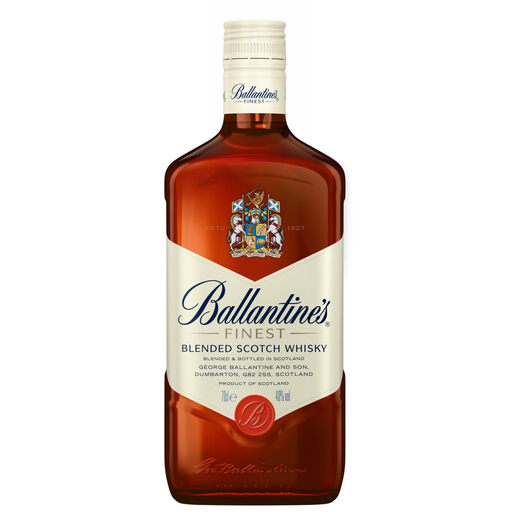
Why this choice suits this profile: With its 40% ABV and 70cl format, it makes a versatile first bottle, enjoyable neat, on the rocks or with a splash of water.
The description clearly states it’s a blend of malt and grain whiskies, without wrongly presenting it as a single malt.
Notes of chocolate, red apple and vanilla are promised, with several ways to serve it.
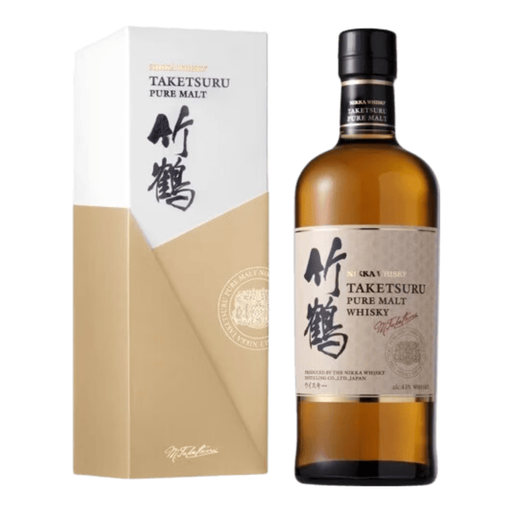
Why this choice suits this profile: Its blend of malts from Yoichi and Miyagikyo, paired with a gift box, lends itself to attentive sipping as well as a special occasion.
The description clearly states the “pure malt” category, the ABV, the volume and the inclusion of the gift box.
A profile described around grain, citrus, gentle spices and candied fruit, with neat drinking recommended.
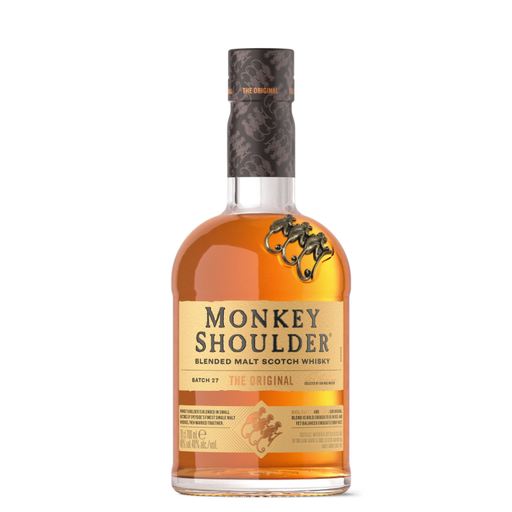
Why this choice suits this profile: Its blended malt profile and 40% ABV make it a practical ally for cocktails, while still being enjoyable neat.
Its category and blend of three Speyside single malts are clearly stated: it isn’t presented as a single malt.
It can be served neat or in cocktails, with an easily recognisable presentation and a 70cl format.
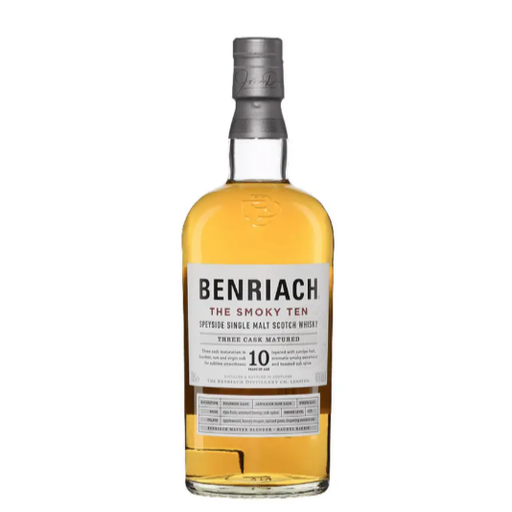
Why this choice suits this profile: Its maturation in three types of cask and its smoky character are aimed at fans of more intense drams.
The description specifies the smoke level, the ten-year age statement, the 46% ABV and the lack of chill filtration.
Notes of ripe fruit, smoke and toasted oak are promised, in a 70cl format.
A whisky at 40% or 43% ABV, with fruity, vanilla, honeyed or malty notes, is generally a good starting point. Very peaty profiles or high-ABV bottles will suit enthusiasts who already know their preferences better.
It all depends on the ABV and the result you’re after. A few drops of water can soften the alcohol heat and bring out certain aromas. Ice cools the whisky and gradually reduces its aromatic intensity. To compare two bottles, start with a small amount served neat, then adjust to your taste.
A blended whisky or a blended malt at 40% ABV generally works well in cocktails thanks to its versatility. Nikka Days, Monkey Shoulder and William Peel are all described as suitable for mixed drinks. Still, check the recipe and proportions to keep the cocktail balanced.