
Livraison le jour même ou le lendemain

Qualité garantie

Débloquez vos offres de bienvenue: Livraison GRATUITE | Jusqu'à -80 % | 30 jours d'essai gratuits à JoyPlus
Téléchargez l'application
Buying whey protein seems easy… until you have to compare ingredients, formats and the claims displayed on the packaging. Between an overly sugary powder, an unclear serving size and a large container that is difficult to store, certain mistakes can quickly push up the cost of every shake.
This guide from the Joybuy Product Recommendation Officer helps you separate genuinely useful criteria from marketing claims, so you can choose a protein supplement suited to your routine in France.
A 2 kg bag does not necessarily contain 2 kg of protein. Instead, look at the line showing “protein per 100 g”, as well as the amount provided per serving. A formula containing between 74 and 79 g of protein per 100 g may be appealing, but the serving weight and number of servings are still essential for calculating the true cost.
Whey protein isolate is generally more highly filtered than whey concentrate. That said, a formula combining several sources can also provide a high protein content per serving. The word “isolate” therefore does not mean you can skip checking the carbohydrates, sugars, fat, sweeteners and full ingredients list.
Whey comes from milk and may contain lactose, depending on the formula. Soya also often appears in the form of lecithin, which is used to make the powder easier to mix. Always check the “contains” statement, as well as any possible traces of gluten, egg, peanuts or tree nuts. If you have an allergy, are taking medication or have a health condition, seek advice from a healthcare professional before starting.
For whey intended to support muscle gain or recovery, compare the amount of protein per serving, rather than just the percentage highlighted on the front of the pack. In the selection featured here, some servings provide approximately 22 to 24 g of protein, for serving sizes of 28 to 32 g.
Protein contributes to the growth and maintenance of muscle mass as part of a suitable diet and regular resistance training. It does not replace meals, sleep or a consistent exercise programme.
Low-sugar whey may suit people who monitor their energy intake or prefer to mix the powder with milk, porridge oats or a smoothie. Always compare the values per serving: several products contain approximately 1 to 3 g of sugars per serving, but flavoured recipes may contain more carbohydrates.
A small bag is ideal for trying a flavour or taking a few servings with you. A large tub often reduces the cost per serving, provided it is used regularly and stored in a dry place. Individual sachets are particularly convenient at work, in a gym bag or when travelling, and can sometimes be prepared without a protein shaker.
Also remember to check the recommended serving size on the label. A 30 g serving is not equivalent to a 28 g serving, even if both products claim to provide a similar amount of protein.
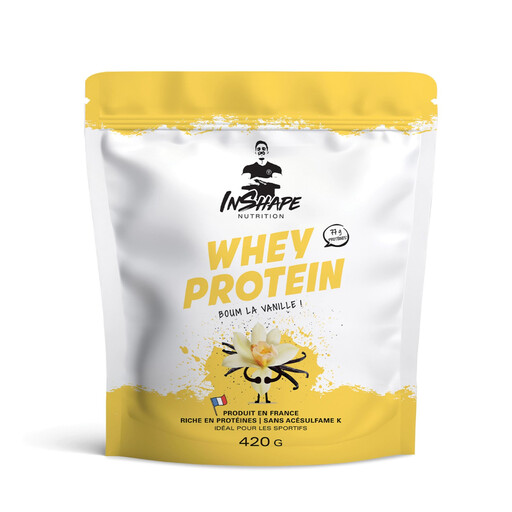
Why this choice suits this profile : Its 420 g format lets you try a whey protein powder without having to buy several kilos at once. A 30 g serving provides 23.1 g of protein and is easy to prepare with water or milk.
The serving size and nutritional values are clearly stated, making it easier to calculate the actual cost and nutritional intake.
23.1 g of protein per serving, 1.3 g of fat and a vanilla flavour. Contains milk.
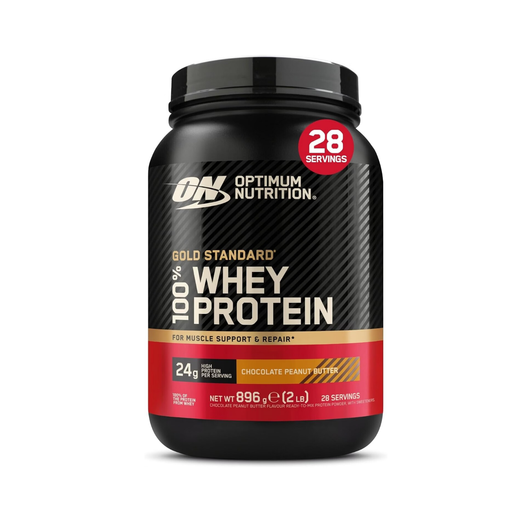
Why this choice suits this profile : This formula is aimed at those looking for a combination of isolate, concentrate and hydrolysed isolate, along with a carefully developed flavour suitable for regular use.
The per-serving information states 24 g of protein, 1 g of sugar and 1.3 g of fat, rather than relying solely on the word “isolate”.
24 g of protein per serving, fewer than 120 kcal per serving according to the stated information, and 28 servings in the pack.
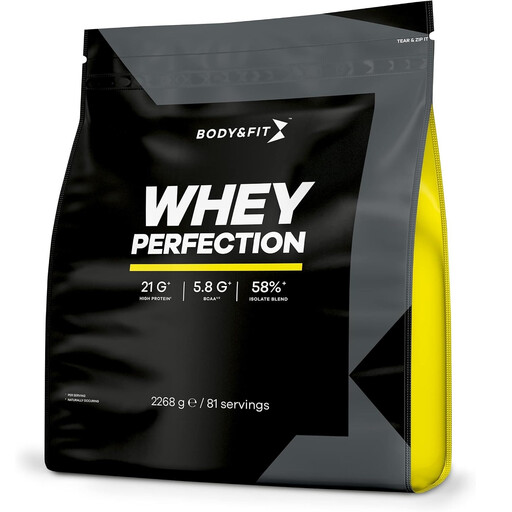
Why this choice suits this profile : With approximately 81 servings, this large format is suitable for people who take a protein supplement several times a week and want to avoid placing multiple orders.
The 28 g serving size, approximate number of servings and usage limitations are stated clearly. This allows you to estimate how long the pack will last before ordering.
22 g of protein, 1.5 g of sugars and 100 kcal per serving according to the information provided. Contains milk and soya.
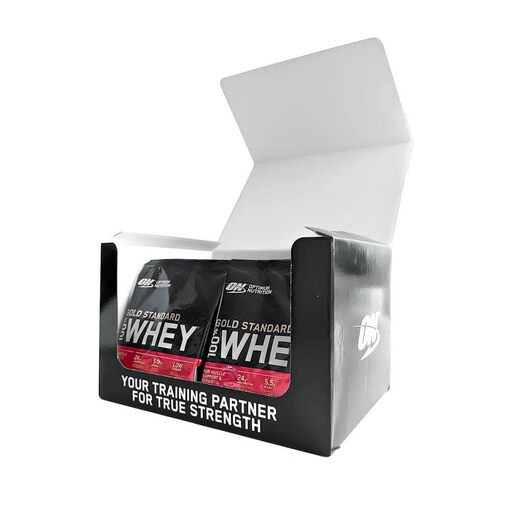
Why this choice suits this profile : Individual sachets are ideal for runners, busy people who have breakfast at work and those who travel regularly.
The pre-measured format prevents weighing errors and limits exposure to moisture after opening a large container.
24 sachets of 31 g, 24 g of protein per serving and can be prepared in a simple glass with a spoon.
We have put together a comprehensive, real-time updated list of products that meet these strict selection criteria and European safety regulations.
Generally mix one serving with 180 to 250 ml of water or milk, following the product instructions. A protein shaker makes preparation easier, but some sachets can also be mixed in a glass. Choose the time that best fits your routine: after your workout, at breakfast or between meals.
The shelf life depends on the date shown on the packaging and the storage conditions. Close the container carefully and keep it in a cool, dry place away from light and moisture. If the smell, texture or taste seems unusual, it is best not to consume the product.
No. Whey protein can supplement the daily intake of active people, runners or those who do fitness training. However, it remains a complementary food and should form part of a varied diet.
Check the best-before date and the manufacturer’s instructions. Once opened, the powder should remain tightly sealed, dry and away from heat. Its practical shelf life depends in particular on how often it is used and the ambient humidity.
Not necessarily. A large pack can be worthwhile if you regularly consume the same flavour. For a first order, a 300 to 500 g format or individual sachets can reduce the risk of being left with a product you do not particularly enjoy.