
Livraison le jour même ou le lendemain

Qualité garantie

Débloquez vos offres de bienvenue: Livraison GRATUITE | Jusqu'à -80 % | 30 jours d'essai gratuits à JoyPlus
Téléchargez l'application
The right vase or flower pot can transform a room. Yet, the experience often falls short: a pot that cracks at the first frost, a vase that leaks and ruins your new dresser, or a design that's simply unsuitable for your bouquets. As a product expert at Joybuy, I see hundreds of models. My mission? To help you avoid the common pitfalls and guide you to the perfect vase or pot that you'll love for years to come.
The market is full of beautiful products, but aesthetics aren't everything: durability and practicality are often overlooked. Let's break down the most common mistakes so you don't get caught out.
To avoid these unpleasant surprises, consider a few key criteria before you check out.
The material dictates the object's durability, water resistance, and therefore, its intended use.
For Indoors (Vases and Cachepots):
For Outdoors (Flower Pots):
Size and shape are not just aesthetic details; they determine the vase's use and stability.
Enough theory—let's get practical. Here are our top picks organised by style to help you find the perfect match.
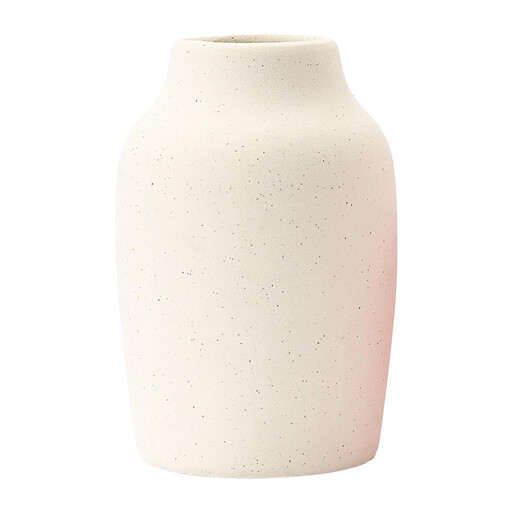
Why it's a great choice: Ideal for adding a warm, natural touch. Its terracotta hue and classic silhouette are a must-have for bohemian or rustic decor. Perfect for dried flowers, or even as a standalone decorative object.
Its quality ceramic makes it more durable than a basic terracotta pot. To use it with water, check the interior glazing to rule out any risk of porosity.
Its compact size (17.8 cm) is perfect for dressing up a shelf, console, or mantelpiece without overwhelming the space.
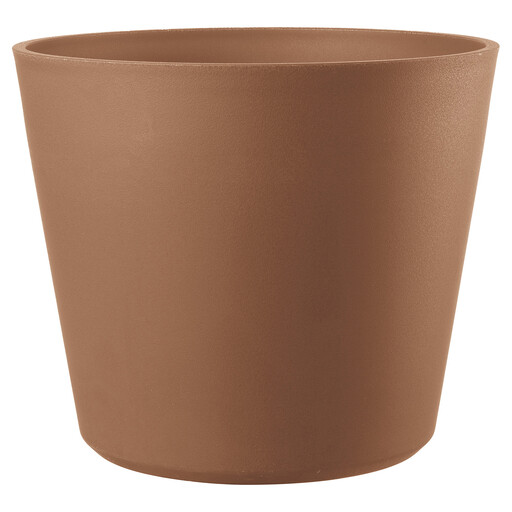
Why it's a great choice: The hassle-free solution for anyone who wants a pot for their balcony or garden that can withstand the seasons without issue. It's built for heavy-duty outdoor use.
It avoids pitfall #1, the "fake outdoor pot." Made from recycled material, it is specifically treated to be frost and UV resistant, a true guarantee of longevity.
Its removable plug offers brilliant versatility: with the plug, it becomes an indoor cachepot; without it, it ensures perfect drainage for outdoor use.
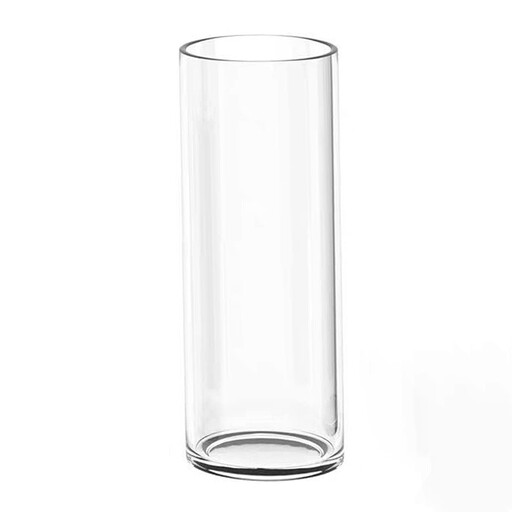
Why it's a great choice: A timeless classic for contemporary interiors. Its cylindrical shape and impressive height (30 cm) make it a versatile statement piece, ideal for long-stemmed flowers (roses, tulips, pampas grass...).
The glass ensures it's 100% waterproof, so you can say goodbye to leaks. Its clean shape is a true Swiss Army knife that adapts to countless bouquets.
Its thick glass ensures rock-solid stability, even with tall bouquets. It works equally well as a large designer vase or a modern centrepiece.
Explore our full selection of expert-approved products, like our collection of pedestal vases.
The first step: scrutinise the product specifications. Look for terms like "frost-resistant / frost-proof" and "UV-resistant". Materials that won't let you down include high-quality injected plastics, resin, fibreglass, or stoneware. Be wary: a simple "for outdoor use" label on a standard terracotta pot is not enough to guarantee it will survive a harsh winter.
It's all about drainage. A flower pot is designed to hold soil and the plant directly. It is therefore always drilled at the bottom to allow excess water to escape and prevent the roots from rotting. A cachepot, as its name (French for "pot hider") suggests, is a decorative cover with no hole. You place the plant inside it, still in its original nursery pot, which protects your furniture from water runoff.
To showcase your pampas grass, the perfect vase needs to tick two boxes: it must be tall enough to support the long stems (aim for at least 30 cm) and have a rather narrow opening. A tapered neck will keep the stems upright and clustered for a stylish, graphic look. Demijohn-style, single-stem (soliflore), or tall cylinder vases are excellent choices.