
Livraison le jour même ou le lendemain

Qualité garantie

Débloquez vos offres de bienvenue: Livraison GRATUITE | Jusqu'à -80 % | 30 jours d'essai gratuits à JoyPlus
Téléchargez l'application
Choosing sunglasses seems simple… until the flaws start to show: frames that slip, lenses that scratch within weeks, persistent glare, or arms that are too bulky for your bag. Whether you need them for driving, cycling, fishing, golf, hiking or travelling, the criteria to prioritise aren't the same.
Here are the points to consider before buying, along with a selection of models suited to different profiles.
A very dark lens doesn't guarantee adequate protection against ultraviolet rays. The UV400 label means the lens is designed to filter ultraviolet radiation up to 400 nanometres. However, it's still essential to check the compliance information, the filter category and the presence of the CE mark.
Tinted lenses alone can reduce the sensation of brightness without offering the same guarantees as a properly documented pair of UV400 sunglasses.
Polarised sunglasses reduce some of the glare reflected from horizontal surfaces, such as water, the road or a car bonnet. This can improve visual comfort during outdoor activities.
However, be aware that some car or smartphone screens may become less readable depending on the viewing angle. For driving-appropriate sunglasses, also check the lens's residual light transmission, its filter category and visibility in shaded areas or tunnels.
A lightweight frame is comfortable to wear, provided it stays in place. Arms that are too loose, an ill-fitting bridge or rigid nose pads can quickly become uncomfortable, especially after several hours.
The TR90 material, used on several models in this selection, is a polymer valued for its lightness and flexibility. That doesn't make it unbreakable, though: a foldable hinge or impact-resistant frame should always be handled according to the manufacturer's recommendations.
UV400 protection should be a priority for sunglasses worn outdoors. Check the product page to verify the features stated by the manufacturer, as well as the information regarding the CE mark and filter category.
The lens tint mainly affects how you perceive light. It in no way replaces UV protection. For everyday use in the city, at the beach or while travelling, it's better to choose a well-documented model than a pair selected purely for its looks.
Anti-glare sunglasses can use polarisation or a surface treatment. These two technologies don't serve exactly the same purpose:
For fishing, boating or driving in bright sunlight, polarisation can make a real difference. For versatile use, test screen readability if possible before committing to the pair.
Lightweight sunglasses reduce pressure on the nose and ears. The sports models shown here weigh between 25.5 and 29 g depending on their configuration. Foldable models are also very practical when you're on the move: they take up less space in a pouch or luggage.
Compare the frame width, arm length and bridge width with a pair you already own. An oversized frame covers more of your field of vision, but may look too wide on a narrow face. Conversely, a cat-eye or compact shape can press on the temples if its width isn't right for you.
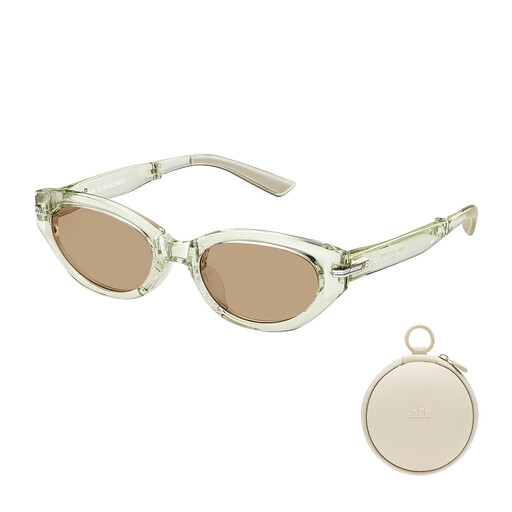
Why this choice suits this profile: With its cat-eye shape and translucent frame, this model is ideal for everyday wear. Its foldable design means you can easily slip it into a bag or pouch.
The manufacturer's page mentions UV400 protection, a lightweight TR90 frame and five-point elastic hinges, rather than just a tint designed to look pretty.
High-definition nylon lenses, an advertised OAR treatment and nose pads with an air cushion.
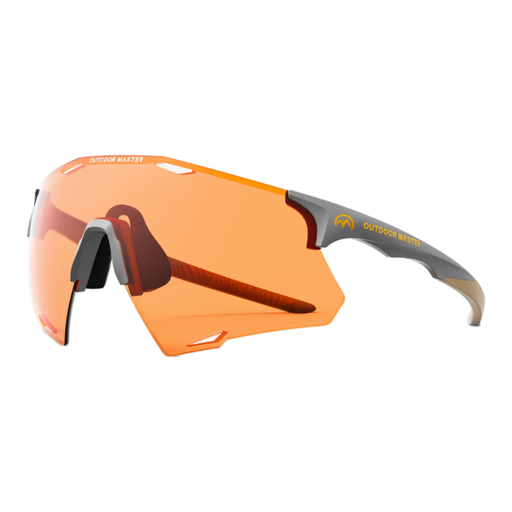
Why this choice suits this profile: This model combines a technical frame, adjustable nose pads and ventilation designed for cycling trips as well as multi-sport activities.
The ventilation reduces the risk of fogging during exertion, while the various adjustments minimise slipping caused by movement.
Polarised polycarbonate lenses, advertised UV400 protection and a weight of 25.5 g as stated by the manufacturer.
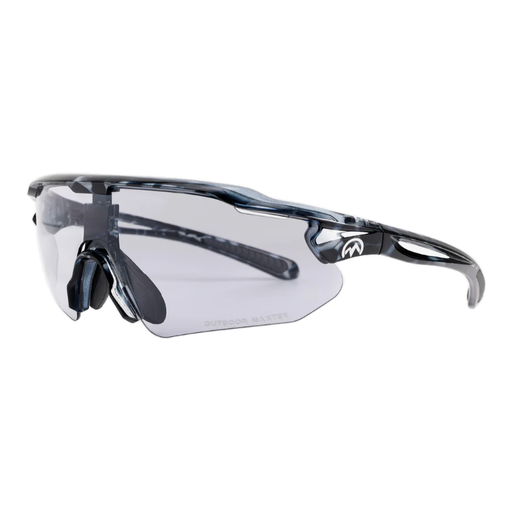
Why this choice suits this profile: The photochromic and polarised lenses are aimed at those who regularly move between different light conditions, whether cycling, hiking or taking part in outdoor activities.
The page states that the tint adapts according to UV exposure. However, keep in mind that this transition may be limited behind a windscreen, which filters out some ultraviolet rays.
A TR90 frame, adjustable nose pads, polycarbonate lenses and a stated weight of 26 to 29 g depending on the version.
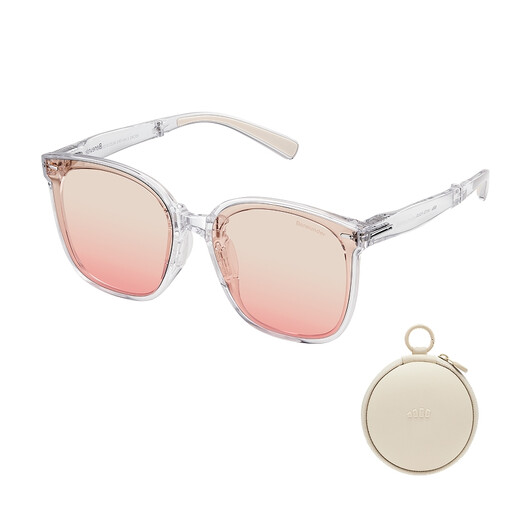
Why this choice suits this profile: Its oversized shape makes a style statement, while its three-part fold is practical for a suitcase, handbag or daily commutes.
The dimensions are listed on the product page and the stated weight is 26 g. This lets you assess the actual bulk, rather than relying solely on the photo.
Advertised UV400 protection, an OAR anti-glare treatment and a thickness of 35 mm when folded.
We've put together a comprehensive, real-time updated selection of products that meet these exacting criteria as well as European safety standards.
Even impact-resistant sunglasses can become damaged if not looked after properly. Clean the lenses with a microfibre cloth and avoid kitchen roll, rough clothing and household cleaning products. When travelling, always store the pair in its case.
Also avoid leaving your sunglasses in a car in direct sunlight. Heat can damage the frame, surface treatments and hinges. Replace them if the lenses are heavily scratched or cracked, or if the frame no longer fits properly.
They are particularly useful during outdoor exposure, including in the city, during commutes or on a walk. However, the UV400 label should be accompanied by compliance information and a filter category suited to the intended use.
They can react differently behind a windscreen, as it filters out some of the ultraviolet rays needed for the tint to change. For driving, check the manufacturer's guidance and choose a model whose tint remains appropriate for varying light conditions.
Fold them in the intended direction, without forcing the arms or hinges. Use the case provided and clean the lenses with a microfibre cloth. Regular handling, without being rough with the mechanism, will help preserve the folding system.