
Livraison le jour même ou le lendemain

Qualité garantie

Débloquez vos offres de bienvenue: Livraison GRATUITE | Jusqu'à -80 % | 30 jours d'essai gratuits à JoyPlus
Téléchargez l'application
A pair of sunglasses isn’t just about the frame shape or lens colour. In everyday life – whether you’re driving, travelling, cycling or enjoying the outdoors – different activities call for different features. A good-looking frame can become uncomfortable after a few hours, and very dark lenses aren’t necessarily right for every situation.
A dark tint reduces perceived brightness, but it doesn’t on its own guarantee protection against ultraviolet rays. Look for a clear indication such as UV400 and check the compliance information provided by the manufacturer. For driving, your sunglasses also need to offer clear vision without any distracting distortion.
Polarised sunglasses cut down glare reflected from water, roads or car bodywork. They can be very useful for fishing, daytime driving or water sports. However, polarisation doesn’t replace UV protection and can make some screens harder to read. If you drive, check the manufacturer’s recommendations and never use these glasses at night.
A frame that’s too narrow can press on your temples, while one that’s too wide may slip. Foldable sunglasses are handy for travel, but you need to operate the mechanism correctly. Before ordering, compare the frame width, arm length and bridge width.
The UV400 label indicates protection against ultraviolet radiation up to 400 nanometres. On its own, it doesn’t tell you the lens tint or which situations the glasses are designed for. For everyday use, check the filter category, the light transmission rate and any safety warnings.
Photochromic lenses, like those on OutdoorMaster cycling glasses, adjust their tint depending on UV exposure. The product listing states they go from category 0 to category 3. This technology can be useful when light levels change, but how it performs depends on the lighting conditions and your environment.
TR90 is a lightweight, flexible polymer used for some sunglass frames. It can feel comfortable to wear for long periods or during sports, provided the shape suits your face. Nylon lenses are valued on certain urban models for being lightweight. Polycarbonate, meanwhile, is used in many sports sunglasses because of the impact resistance claimed by the manufacturer.
These materials don’t mean you can skip regular checks on your glasses. Heavily scratched lenses, a warped frame or loose hinges are all good reasons to consider replacing them.
For daily wear, choose a frame that stays put without pressing too hard. Adjustable nose pads, soft temple tips or non-slip arms can improve the fit. When cycling, a wraparound shape, good ventilation and an unobstructed field of vision are generally more important than a sporty look.
Anti-glare, anti-reflective or oleophobic coatings can make cleaning easier and reduce some reflections. However, you should judge their real effectiveness from the features listed on the product page, without assuming properties that aren’t stated.
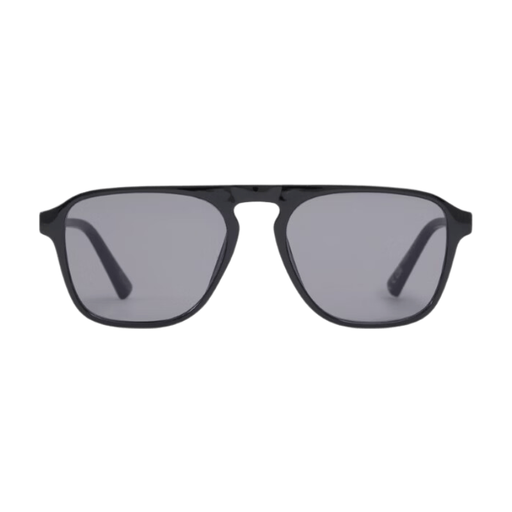
Why this choice suits this profile: A classic black aviator silhouette that’s easy to pair with everyday outfits for city commutes, outings and weekends.
The listing highlights a lightweight design and provides clear care instructions, rather than relying solely on style.
Aviator shape, black colour and claimed lightweight build. Choose after checking the protection information available on the product page.
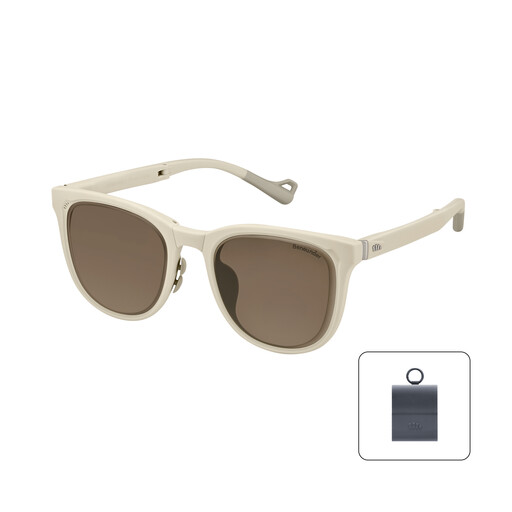
Why this choice suits this profile: A timeless Boston shape with a foldable frame, practical for combining elegance, comfort and compact storage.
The dimensions are detailed, with a frame width of 14.71 cm and a thickness when folded of 2.92 cm, making comparison easy.
TR90 frame, nylon lenses with claimed UV400 protection, anti-reflective, oleophobic and scratch-resistant coatings.
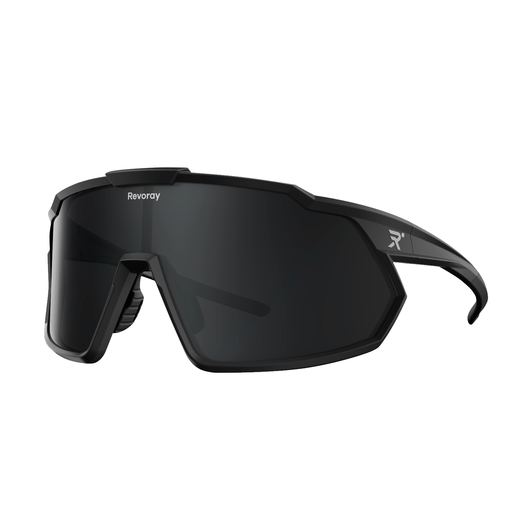
Why this choice suits this profile: They are designed for road cycling, mountain biking and outdoor activities that demand a reliable fit and wide coverage.
The listing specifies a light transmission of around 15.2 %, a claimed weight of 33 g and adjustable silicone nose pads.
Polarised TAC lenses, claimed UV400 protection, TR90 frame and water-repellent, oleophobic and scratch-resistant coatings.
We’ve put together a comprehensive, real-time selection of products that meet these demanding criteria as well as European safety regulations.
Rinse the lenses with clean water, then dry them with a microfibre cloth. Avoid kitchen roll, rough fabrics, alcohol and household cleaners, which can damage the surface coatings. Store your glasses in a hard case, especially when travelling or at the bottom of a rucksack.
Also, avoid leaving a pair in a car exposed to high temperatures. Replace them if the lenses are deeply scratched, if the frame no longer fits properly or if the hinges become very loose. How long they last depends mainly on how you care for them, how often you use them and how you store them, rather than a fixed number of months.
The UV400 label refers to protection against ultraviolet rays, not the quality of vision while driving. For driving, choose a tint suited to daylight, lenses without distortion and a frame that stays securely in place. Don’t use very dark glasses designed for bright light when visibility is poor.
They can reduce some glare from roads, windows and car bodywork. They are particularly useful in very bright conditions, by the coast or during outdoor activities. However, check that screens remain readable and consult the manufacturer’s recommendations for your use.
Go for a lightweight, durable pair that’s easy to store. Foldable TR90 models take up less space in your luggage. Remember to pack a hard case and a microfibre cloth, and check the frame dimensions before ordering.