
Livraison le jour même ou le lendemain

Qualité garantie

Débloquez vos offres de bienvenue: Livraison GRATUITE | Jusqu'à -80 % | 30 jours d'essai gratuits à JoyPlus
Téléchargez l'application
A staple in many kitchens, soy sauce can nevertheless turn a trip to the supermarket into a real headache. Between classic Japanese soy sauce, a special version for sushi, a reduced-sodium option, or even citrus-infused ponzu sauce, how do you know which one will truly elevate your dishes??
As a product expert at Joybuy, my mission is to help you make sense of it all. This guide is designed to break down the different options and help you choose the soy sauce that perfectly matches your tastes and recipes—free from marketing jargon.
Choosing the right soy sauce comes down to a few simple criteria. Keep these points in mind, and you'll always make the right choice.
Not all soy sauces are interchangeable. Their flavour profiles and uses vary widely?:
A short ingredient list is often a sign of quality. An authentic, naturally fermented soy sauce consists of just four basic ingredients?: water, soybeans, wheat, and salt. Some may contain a small amount of alcohol as a preservative. Be wary of products that add artificial colours, flavour enhancers, or corn syrup—a sign of rapid, lower-quality industrial production.
Soy sauce keeps very well, but its aromas fade once the bottle is opened. If you use it daily, a large bottle will be more economical. For more occasional use or to try a new variety like a sushi soy sauce, a smaller size (150 ml or 250 ml) is a wiser choice to ensure optimal freshness.
To help you make your choice, we've selected four soy sauces that meet distinct needs, all available on Joybuy.
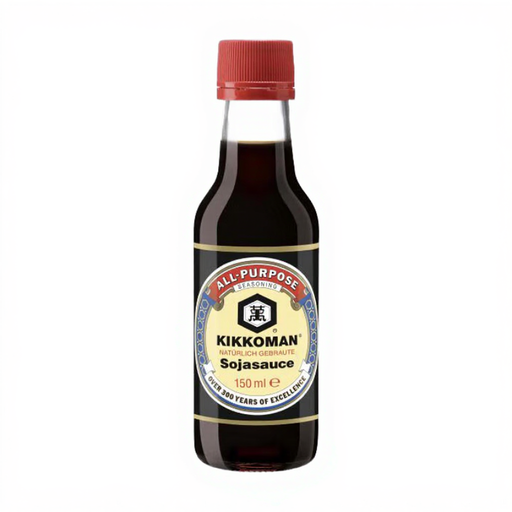
Key Features This Kikkoman soy sauce is produced using a centuries-old natural fermentation process from just four ingredients. Its rich umami flavour and delicate aroma make it a true kitchen all-rounder, perfect for much more than just Asian cuisine.
Benefits
Who is it for?? This is the ideal choice for those new to Asian cooking or anyone looking for a single, do-it-all bottle, perfect for everything from salad dressings to barbecue marinades.
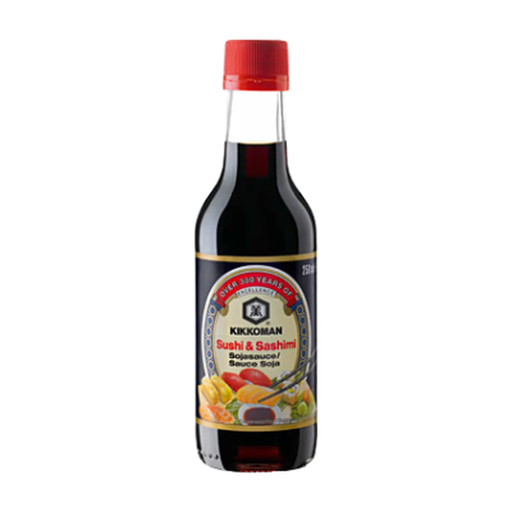
Key Features Designed specifically to accompany raw fish and seafood, this sauce is milder and slightly sweeter than the classic version. Its composition is crafted to enhance the flavour of the fish without ever overpowering it.
Benefits
Who is it for?? A must-have for fans of at-home sushi nights who want to recreate an authentic experience. It also elevates rice bowls (donburi) and grilled seafood.
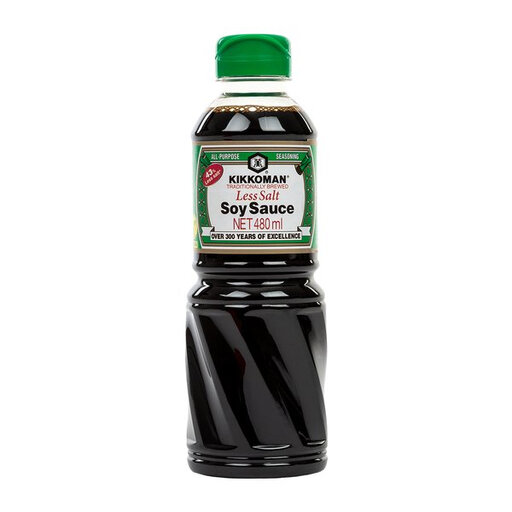
Key Features This low-sodium soy sauce is made using the same fermentation process as the classic version. A portion of the salt is removed after brewing, which helps preserve the brand's characteristic aromatic depth and umami flavour.
Benefits
Who is it for?? An excellent choice for those monitoring their salt intake or for cooks who prefer to precisely adjust the final seasoning of their dishes themselves.
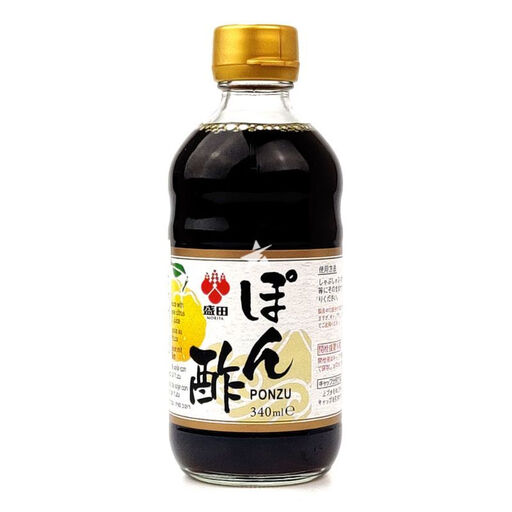
Key Features This ponzu sauce from Morita is a flavourful blend of fermented soy sauce and authentic Japanese citrus juices, including yuzu and yuko. The result is a complex sauce that is salty, umami, and delightfully tangy all at once.
Benefits
Who is it for?? For adventurous cooks looking to explore new flavour horizons. If you sometimes find classic soy sauce a bit too tame, the vibrancy of ponzu is sure to win you over.
Cuisine is just one gateway to Japanese culture. Its aesthetic, renowned for its minimalism and elegance, is found on the plate as well as in home decor. To extend the experience and bring this clean harmony into your home, take a look at our selection.
Discover Our Selection of Japanese-Style Vanity Tables
Generally, "dark soy sauce" refers to standard Japanese soy sauce (koikuchi), which is very versatile. "Light soy sauce" (usukuchi), paradoxically, is saltier but has a paler colour. It's used in Japanese cooking when you want to preserve the original colour of the ingredients, for example, in clear broths or for vegetables.
Technically, yes. However, a classic soy sauce is likely to mask the subtle taste of raw fish with its high salt content and powerful aroma. A sushi soy sauce, which is milder and more balanced, is specifically formulated to enhance the flavour of the fish without overpowering it, offering a much more harmonious tasting experience.
Before opening, a bottle of soy sauce should be stored in a cool, dry place away from light. Once opened, it must be kept in the refrigerator. This helps to best preserve its colour, flavour, and aromas for several months.