
Livraison le jour même ou le lendemain

Qualité garantie

Débloquez vos offres de bienvenue: Livraison GRATUITE | Jusqu'à -80 % | 30 jours d'essai gratuits à JoyPlus
Téléchargez l'application
The world of Asian rice alcohols is a fascinating space to explore, but it's easy to get lost. Between Japanese sake, Chinese rice wine (mǐjiǔ), and Korean makgeolli, it's hard to know which bottle to choose. Are you planning a themed dinner or simply looking for new flavours, but don't know where to start when it comes to buying sake or another Asian alcohol?
This guide is for you. Our mission at Joybuy is simple: to give you clear, honest advice, free of marketing jargon, to help you make the right choice. Let's break down the specifics of each drink, their uses, and discover our selection of bottles for every taste.
Before you decide, here are a few key pointers to help you make the right choice.
The term "sake" is often misused. In reality, it specifically refers to Japanese rice alcohol (nihonshu), which is made through a complex fermentation of rice, water, and a microscopic mould, the famous kōji.
One of the greatest strengths of these alcohols is their versatility at the dinner table. For a successful sake and food pairing, here are a few tips:
The context is key. Are you looking for a light drink for a summer afternoon, a complex alcohol for a refined meal, or a unique aperitif to surprise your guests? The alcohol content, aromatic profile (dry, sweet, fruity, umami), and texture (filtered, unfiltered, sparkling) are all criteria that will help you find the perfect bottle for any moment.
To help you navigate the options, we've selected three bottles with very different profiles, each showcasing a facet of this exciting world.
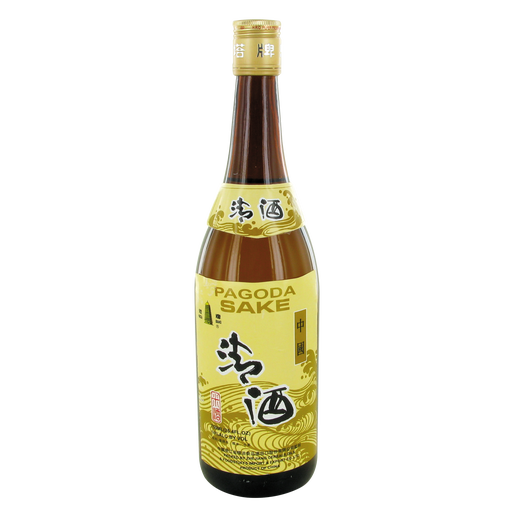
PAGODA Chinese Sake 16% ABV 750 ML
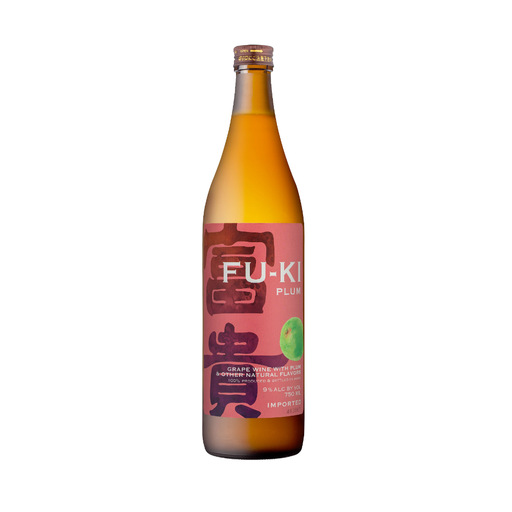
FU-KI Plum Wine (Sake) 9% 750 ml
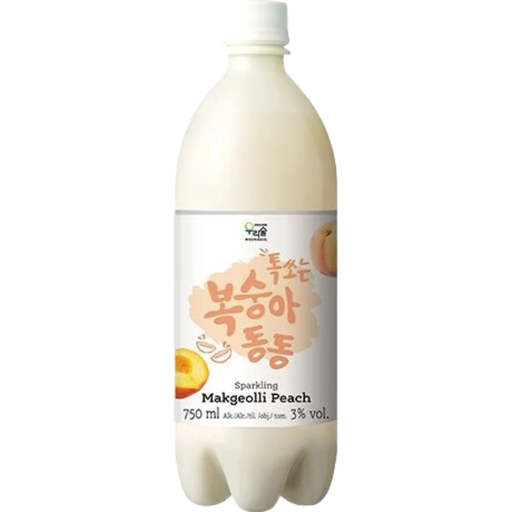
Rice Wine Makgeolli Peach 3% ABV - 750ml
Our selection is just a taste. The world of Asian beverages is much vaster and full of hidden gems to discover.
From specialised Japanese sakes to other rice wines and fruit liqueurs… To go further, feel free to browse our complete category.
? Discover Our Full Range of Alcohols
1. Should sake be served hot or cold? Both! It all depends on the sake and your personal preference. Generally, high-end sakes (like Junmai Ginjo or Daiginjo) are best enjoyed chilled (between 8 and 15°C) to preserve their delicate aromas. Simpler or more robust sakes, including some Chinese sakes, are delicious served warm or hot (between 40 and 50°C), making them truly comforting in winter.
2. What's the main difference between Chinese sake and Japanese sake? The difference mainly comes down to ingredients and usage. Japanese sake (nihonshu) follows very strict specifications (rice, water, yeast, kōji) and is primarily intended for tasting. Chinese sake (mǐjiǔ) is more versatile: it's a key ingredient in Chinese cuisine that can also be drunk. Its production is less standardised, and its taste is often bolder and less nuanced than its Japanese cousin.
3. How should I store an open bottle of sake? Once opened, seal the bottle tightly and store it in the refrigerator. Like wine, sake oxidises when exposed to air. To enjoy its full flavour, it's best to consume it within one to two weeks. Note that makgeolli is more fragile: being "live" and sparkling, it should be consumed within a few days of opening.
By the Joybuy Editorial Team