
Livraison le jour même ou le lendemain

Qualité garantie

Débloquez vos offres de bienvenue: Livraison GRATUITE | Jusqu'à -80 % | 30 jours d'essai gratuits à JoyPlus
Téléchargez l'application
The world of trainers and sports shoes is a constantly evolving maze. Between trendy sneakers for the city and ultra-technical models for performance, it's easy to get lost. A poor choice isn't just money down the drain; it's also a risk of discomfort, or even injury.
As the head of product selection at Joybuy, my mission is to help you make sense of it all. This guide breaks down the common mistakes and highlights the criteria that truly matter, guiding you to the pair that's perfectly suited to your needs.
Before you even start looking at models, let's review the most frequent errors that turn a purchase into a regret.
To make the right choice, you need to focus on three technical components that make all the difference in performance, comfort, and durability.
This is the layer nestled between your foot and the outsole. Its job is to absorb shock and ensure stability. Beyond basic EVA foam, look for more durable technologies:
It must be designed for your primary use. A running shoe will feature high-abrasion rubber reinforcements in key areas, while a model for indoor sports will integrate pivot points to facilitate changes in direction. For daily wear, an outsole with deep grooves ensures better water displacement and therefore enhanced grip.
The top part of the shoe, known as the upper, has a direct impact on comfort and foot support.
Rather than a generic list, we've matched specific models to concrete needs, based on the technical criteria we've just covered.
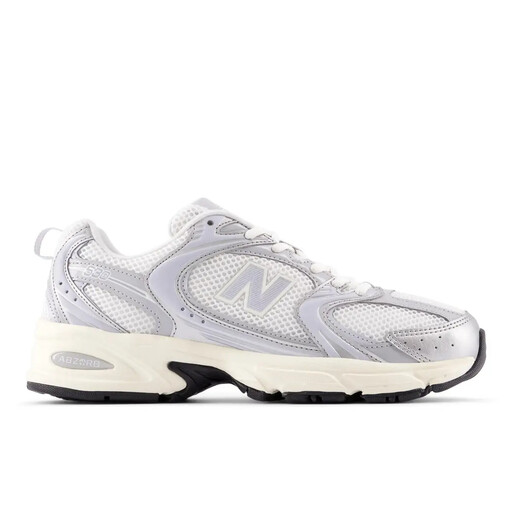
Why it's a great choice: Perfect for those who want a sneaker with a bold retro look without sacrificing comfort for daily city trekking. Its 2000s-inspired design and breathable mesh upper make it an ally that's as stylish as it is functional.
This model features the ABZORB midsole, a technology that absorbs impact and resists compression far better than simple EVA foam. The result: the cushioning stays effective, even over the long term.
The perfect blend of iconic retro style and technical cushioning, for comfort that lasts all day long.
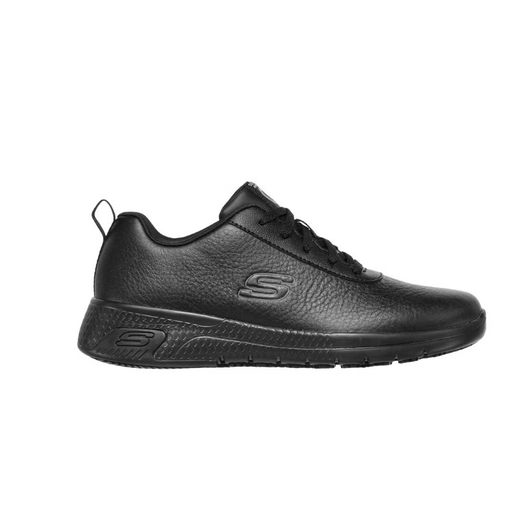
Why it's a great choice: Designed for professionals who spend long hours on their feet (healthcare, hospitality, retail). Its Relaxed Fit design offers more room in the forefoot, while the memory foam insole relieves pressure points.
This isn't just a standard sneaker sole. This model is equipped with a certified SRC slip-resistant outsole (the most demanding standard), ensuring a rock-solid grip on the tiled or steel floors typical of professional environments.
Professional EN ISO 20347:2012 certification, water-repellent treatment, and comfort built to last.
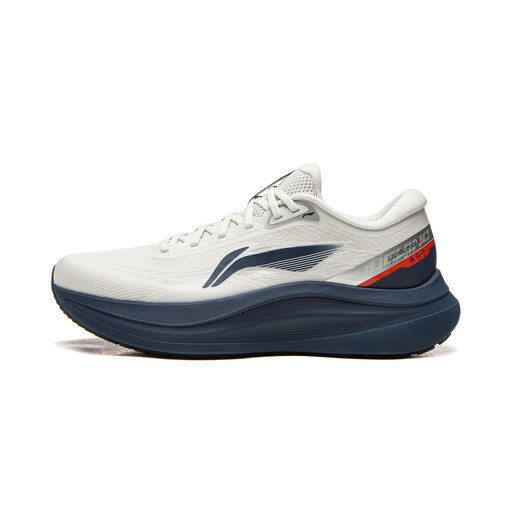
Why it's a great choice: For regular road runners looking for high-performance cushioning and excellent stability to log miles safely. This is a pure running shoe, without compromise.
This model doesn't fall into the "do-it-all" trap. It incorporates technologies 100% dedicated to running, like the PROBAR LOC support that stabilises your stride and relieves knee stress, or the Tempo Bounce sole designed for a dynamic rebound.
The perfect balance of cushioning, responsiveness, and stability, specifically designed to protect joints during runs on pavement.
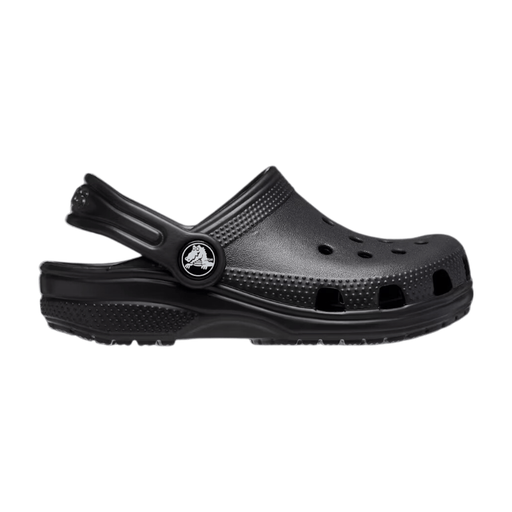
Why it's a great choice: For parents looking for kids' shoes that are practical, durable, and comfortable all at once. Super easy to slip on and off, they're perfect for playing both indoors and out.
Unlike canvas trainers that wear out in the blink of an eye, the Croslite resin of Crocs clogs is ultra-durable, waterproof, and cleans up with a simple wipe. A truly smart and durable choice for kids who are always on the move.
Lightweight, incredibly easy to clean, and a ventilated design, with a pivoting heel strap for a secure fit.
We've put together a complete, up-to-date collection of products that meet our demanding selection criteria and current standards.
The lifespan of a running shoe is measured in miles, not months. As a general rule, it's recommended to replace them every 400 to 500 miles (600 to 800 kilometres). The tell-tale signs? An outsole that's becoming smooth, a feeling of diminished cushioning, or the appearance of unusual aches and pains after your runs.
That's a very bad idea. Machine washing is strongly discouraged for most trainers. The heat and tumbling can warp the shoe, unglue the soles, and damage the technical materials. It's much better to opt for hand-cleaning with a soft brush, cold water, and a neutral soap (like castile soap). Remember to remove the laces and insoles to wash them separately.
The most reliable method is to measure your foot in centimetres. Place your foot flat on a sheet of paper, trace its outline, then measure the distance from the heel to your longest toe. Then, compare this measurement to the brand's size chart, which often provides the corresponding length in CM or JP. Our tip: take this measurement at the end of the day when your feet have swollen slightly, and wear the same type of socks you'll use with the shoes.