
Livraison le jour même ou le lendemain

Qualité garantie

Débloquez vos offres de bienvenue: Livraison GRATUITE | Jusqu'à -80 % | 30 jours d'essai gratuits à JoyPlus
Téléchargez l'application
Is choosing a hairbrush a simple task? Not necessarily. The wrong model can quickly turn your routine into a nightmare, leading to breakage, untameable knots, and disappointing styling results. Faced with shelves overflowing with promises, it's easy to get lost. As a Product Expert at Joybuy, my mission is to bring you clarity, helping you navigate the marketing traps to find the tool that truly suits your hair.
Before we break down the different models, let's review the common misconceptions that often lead to buyer's remorse.
To make an informed choice, focus on a few essential points that make all the difference.
The shape of the brush is directly linked to its primary function.
paddle brush is an excellent tool for quick, everyday styling.hairbrush.curly hair brush might create frizz. It's also very useful for evenly distributing masks and conditioners.The bristles are at the heart of the brush's action. Their material and flexibility must be suited to your hair type.
detangling brush that won't irritate the scalp. They are suitable for most hair types.beard comb is often made from these materials for precision grooming.Your daily routine and specific needs should also be taken into account.
To illustrate this advice, here are a few models that meet specific needs, based on the criteria we've just discussed.
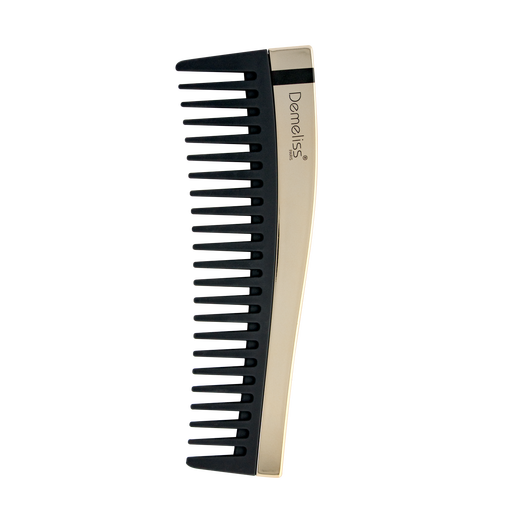
Why we chose it: Those with curly, coily, or very thick hair know that detangling is a critical step. This comb is designed to glide through knots without breaking the hair fibre or disrupting the curl pattern.
It directly challenges the myth of the universal brush. Using a standard brush on wet curly hair is the fastest way to create frizz. This comb is the specialised tool that preserves their natural texture.
Its wide, spaced-out teeth reduce breakage and can be used on both wet and dry hair, making it a valuable ally for applying treatments.
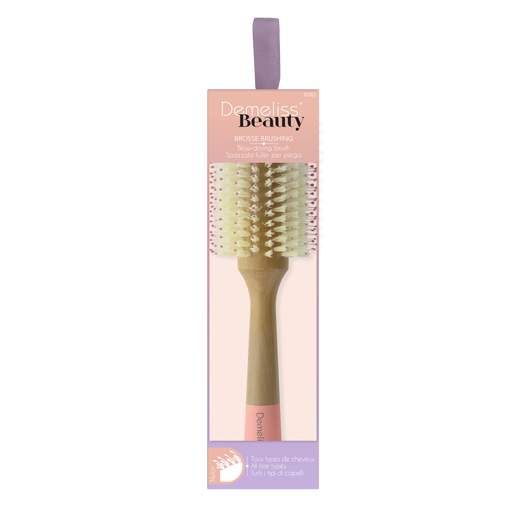
Why we chose it: For those who regularly use a hairdryer, a good round brush is non-negotiable. This model, with its 32mm barrel, is versatile for creating volume or soft waves on medium to long hair.
It highlights the importance of choosing the right materials. Its dual-height nylon bristles are designed to grip strands without pulling and to withstand the heat of a hairdryer, ensuring controlled styling.
The wooden body and nylon bristles allow for good heat distribution, resulting in faster drying and more effective styling.
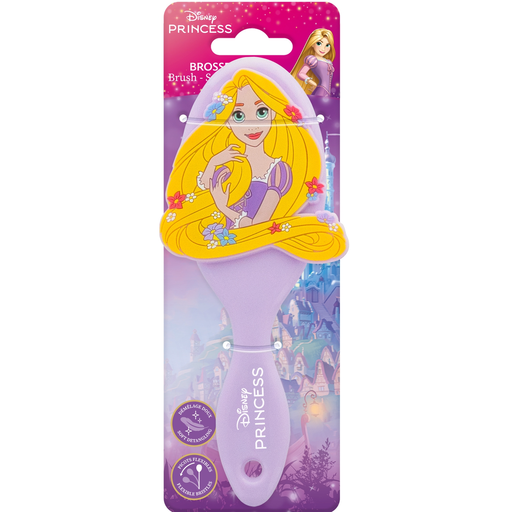
Why we chose it: Detangling can quickly become an ordeal for children. This brush is designed to make the experience more pleasant. Its flexible bristles glide through knots without pulling, and its fun design helps make the routine less of a drama.
It avoids the mistake of using an adult brush, which is often too stiff, on a child's scalp. The soft, rounded bristles protect the skin and turn a chore into a moment of care.
The flexibility of the bristles allows for effective and painless detangling, making it an excellent `children's brush`.
Discover our complete selection of products that meet our standards for quality and performance.
The main difference lies in their function. Boar bristle brushes (or those with synthetic fibres mimicking their properties) are known for distributing the scalp's natural sebum along the hair shafts, which smooths the hair cuticle and increases shine. They are often recommended for fine to normal hair. Nylon bristles, on the other hand, are generally stiffer and more spaced out, making them more effective for detangling, especially on thick or knot-prone hair.
Proper maintenance extends your brush's lifespan and ensures better hygiene. It's advisable to remove trapped hair from the bristles after each use. For a deep clean, once every two weeks is a good average. You can wash it with warm water and a little mild soap or shampoo, making sure to rinse it well and let it dry completely, bristles down, on a towel.
Caution is advised. Hair is much more elastic and fragile when wet. Forcing an unsuitable brush through it can stretch it to the breaking point. For wet hair, opt for a wide-tooth comb or a detangling brush specifically designed with very flexible bristles. Save your round blow-dry brush or classic paddle brush for styling on pre-dried or dry hair.