
Livraison le jour même ou le lendemain

Qualité garantie

Débloquez vos offres de bienvenue: Livraison GRATUITE | Jusqu'à -80 % | 30 jours d'essai gratuits à JoyPlus
Téléchargez l'application
As simple as it may seem, choosing the right bowl can quickly become overwhelming. Between marketing claims, a maze of materials, and a multitude of shapes, it's easy to end up with a purchase you regret: a set of bowls that won't stack, a salad bowl that cracks at the first bump, or a planter that doesn't survive the winter. To help you make a clear choice, our editorial team has broken down the common pitfalls to avoid and the essential criteria to check before you buy.
To avoid these disappointments, simply focus on a few key points that define a bowl's quality and practicality.
The choice of material directly impacts your bowl's durability, maintenance, and use.
A bowl's geometry is far from being just a matter of aesthetics.
Here are a few models that meet specific needs while avoiding the pitfalls we've just discussed.
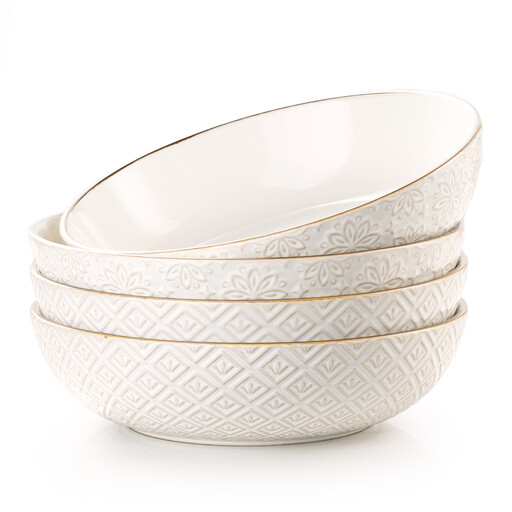
Why we chose it: This set is perfectly designed for families and heavy use. Its wide, shallow shape is suitable for pasta as well as salads or saucy dishes. A true everyday essential.
Its design was engineered for stable, compact stacking, solving the storage problem. Its versatility is not just a claim: its shape genuinely adapts to many different dishes.
Made from food-grade ceramic, it is dishwasher, microwave, and even oven safe, offering maximum user flexibility.
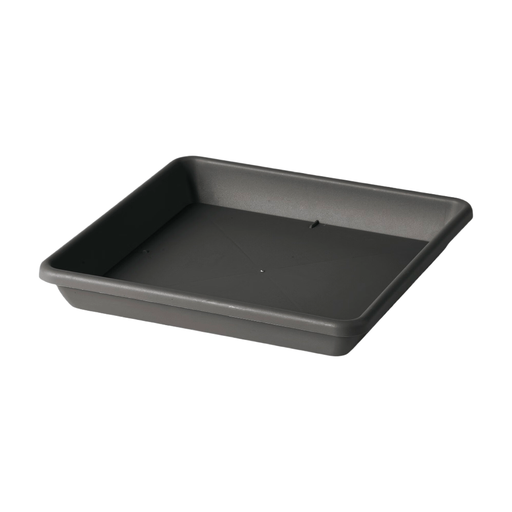
Why we chose it: Perfect for those seeking a planter that is both stylish and environmentally friendly. It's designed to last outdoors, whether on a balcony, terrace, or in a garden.
It is made from a polymer specially treated to be frost and UV-resistant. Unlike low-end plastics, it won't fade or crack over time.
Made from recycled materials and fully recyclable itself, it's a logical choice for greener gardening.
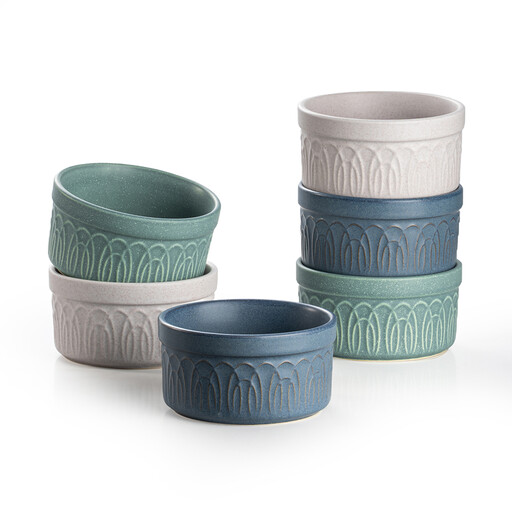
Why we chose it: This set of ramekins is the dream accessory for baking enthusiasts and individual presentations. Their 8 oz (23 cl) capacity is ideal for crème br?lée, soufflés, mousses, or even for serving sauces and tapas.
Their material is a high-performance ceramic, non-toxic and lead-free, specifically designed for baking. There's no risk of them cracking in the oven like an unsuitable bowl would.
Ultra-versatile, these ramekins are oven, freezer, microwave, and dishwasher safe. They radically simplify preparation, storage, and cleaning.
Discover our complete and updated selection of products that meet our selection criteria and current safety standards.
The main difference lies in the shape and size. A pasta bowl is wide (20-25 cm) but shallow, ideal for coating pasta well with sauce and enjoying it. A serving bowl, on the other hand, is larger and deeper, as it's designed for mixing and serving a salad for the whole table.
This information should be clearly indicated by the manufacturer on the packaging or product page (look for the oven pictogram). The golden rule is to avoid thermal shock: never put a cold bowl from the fridge directly into a preheated oven.
Yes, provided you choose a quality model. Specialised manufacturers like DEROMA use recycled polymers treated to be frost and UV-resistant. It is this protection that ensures their excellent longevity outdoors, without degrading or losing their colour over the seasons.