
Livraison le jour même ou le lendemain

Qualité garantie

Débloquez vos offres de bienvenue: Livraison GRATUITE | Jusqu'à -80 % | 30 jours d'essai gratuits à JoyPlus
Téléchargez l'application
A new notebook is the promise of a fresh start. Whether it's destined to hold your ideas, class notes, sketches, or travel memories, choosing one is a deeply personal act. But the initial excitement can quickly turn to disappointment. A cover that peels, paper that bleeds ink, or a binding that refuses to lay flat... these small daily frustrations are, however, easy to avoid.
As the head of buying guides for Joybuy, my mission is to help you see clearly. Let's cut through the marketing hype and focus on the criteria that truly matter. Follow this guide to sidestep the common pitfalls and find your perfect companion.
The market is flooded with beautifully designed models, but don't be fooled: aesthetics aren't everything. Here are three deal-breakers that can turn a beautiful object into a daily frustration.
To avoid these disappointments, you just need to check a few simple technical points. These are the true guarantors of the quality and longevity of your future notebook.
Expressed in grams per square meter (gsm), paper weight defines the thickness and density of the paper. It's the number one, non-negotiable criterion.
The method used to assemble the pages determines both the sturdiness and the comfort of use.
There's an ideal notebook for every use. Here is our selection, designed for different profiles, which adheres strictly to the quality criteria we've just discussed.
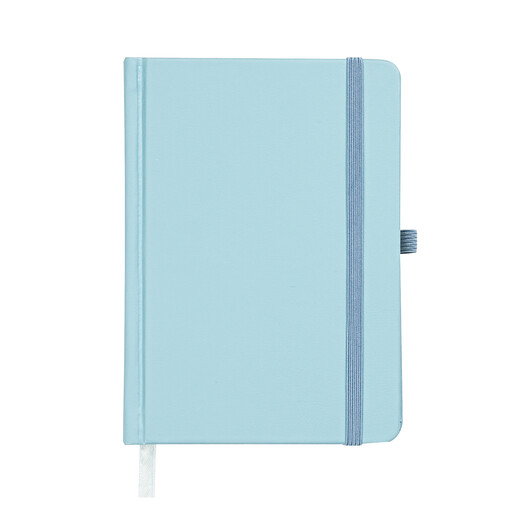
Why we chose it : This pocket notebook in A6 size is tailored for those who are quick to jot down an idea. Its rigid PU cover protects it from the rigours of transport, and its integrated accessories make it ultra-practical for daily use.
Its 100 gsm paper protects against any bleed-through, even with a gel pen. The hardcover and elastic closure thwart the classic pitfall of a notebook getting damaged or opening in your bag.
Pen loop, bookmark, and elastic closure. Durable and wipe-clean PU cover.
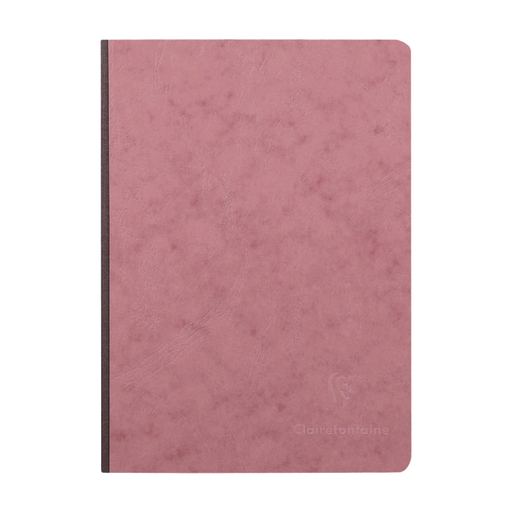
Why we chose it : For those who refuse to compromise on writing comfort. This A5 notebook combines the legendary expertise of Clairefontaine with a minimalist design built for intensive use.
Clairefontaine's famous 90 gsm vellum paper is the ultimate anti-bleed-through guarantee. Its sewn binding with a cloth-taped spine ensures a perfectly flat opening, solving the problem of the unusable center margin.
Unmatched paper quality for a perfect glide. Robust binding that allows for a 180° opening. Ultra-versatile graph ruling.
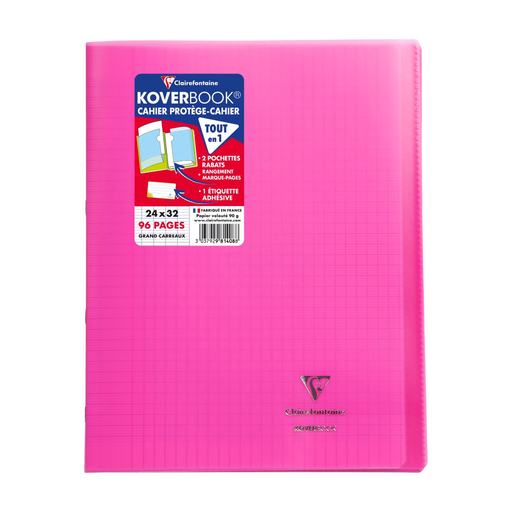
Why we chose it : The Koverbook is the ultimate all-in-one solution for students. It merges a high-quality notebook with a book protector, offering foolproof durability and clever storage for everyday class use.
Its waterproof and virtually indestructible polypropylene cover puts an end to the nightmare of dog-eared or stained covers. The 90 gsm Clairefontaine paper ensures impeccable notes, without the slightest hint of ink on the reverse side.
Integrated book protector for maximum durability. Two large flaps that double as bookmarks and storage pockets.
We've curated a full selection of notebooks that meet our demanding quality standards.
For everyday use with a ballpoint pen, 80 gsm paper may suffice. However, if you're a fan of fountain pens, gel pens, or fine liners, 90 gsm or 100 gsm paper is essential. It's the only way to prevent ink from bleeding through and to ensure a truly smooth writing experience.
Stitched binding (or simple sewing) is typical of softcover notebooks. It offers excellent flexibility and a good lay-flat opening. Perfect binding, found on hardcover notebooks, is similar to that of a book. If it's high quality (sewn spine, not just glued), it will also allow for a 180° opening. It is generally perceived as more robust and premium.
It all depends on your use case and your need for portability. The A5 notebook (14.8 x 21 cm) offers a comfortable writing surface, perfect for taking notes in meetings, in class, or for journaling at home. The A6 notebook (10.5 x 14.8 cm) is the quintessential pocket notebook. It's perfect for jotting down ideas on the fly, managing lists, or serving as a travel journal.