
Livraison le jour même ou le lendemain

Qualité garantie

Débloquez vos offres de bienvenue: Livraison GRATUITE | Jusqu'à -80 % | 30 jours d'essai gratuits à JoyPlus
Téléchargez l'application
Whether for DIY projects, sports, cleaning, or simply for everyday protection, a good pair of gloves is essential. However, buying them can quickly become a headache. Between technical materials, unreliable sizing, and marketing promises, it's easy to make the wrong choice. A poor decision isn't just a waste of money: it can also compromise your comfort and safety. This guide is here to help you cut through the noise and identify the essential criteria for finding the perfect pair of gloves for your needs.
Before we break down the technical specifications, let's review the most common mistakes that lead to instant buyer's remorse.
To avoid these pitfalls, focus on these three pillars before making your decision.
The choice of material dictates the level of protection, comfort, and durability of your gloves.
An effective pair of gloves is a pair you forget you're wearing. For that, the size must be perfect. Most manufacturers provide a size guide based on the circumference of your palm. Measure around your dominant hand with a tape measure, without pulling it tight, just below the knuckles. A good fit is also checked by the finger length: they should neither be loose nor compressed at the tips.
Depending on the activity, certain features become non-negotiable.
To help you put this advice into practice, here are a few options that meet specific needs, taking into account quality and functionality criteria.
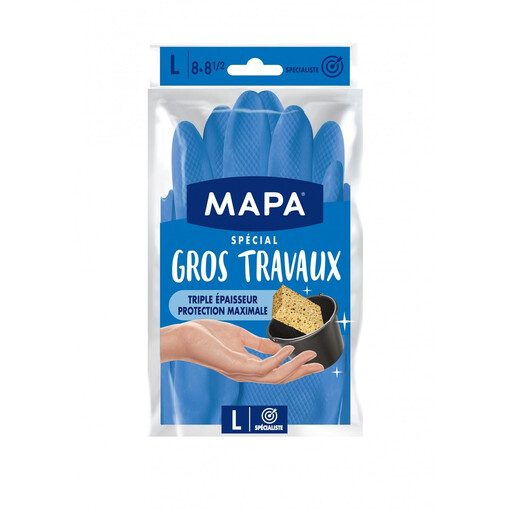
Why It's the Right Choice: Ideal for construction, intensive gardening, or heavy-duty DIY projects. These gloves are designed to endure and protect over the long haul.
This isn't just surface-level protection. Its triple-layer latex construction offers genuine mechanical resistance, avoiding the trap of token protection.
Cotton lining for optimal comfort during extended use. Excellent protection against the typical mechanical risks of a construction site.
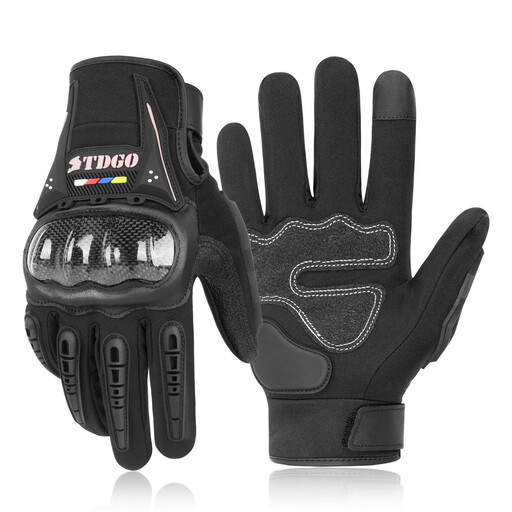
Why It's the Right Choice: Designed for motorcyclists, cyclists, or scooter riders who want to combine protection, comfort, and everyday practicality.
The touchscreen functionality relies on integrated conductive fibres, which are far more durable than simple coatings. The carbon fibre protective shell isn't a gimmick—it's a genuine safety enhancement.
Breathable fabric for all-season use and a hook-and-loop closure for a precise fit that prevents the glove from slipping.
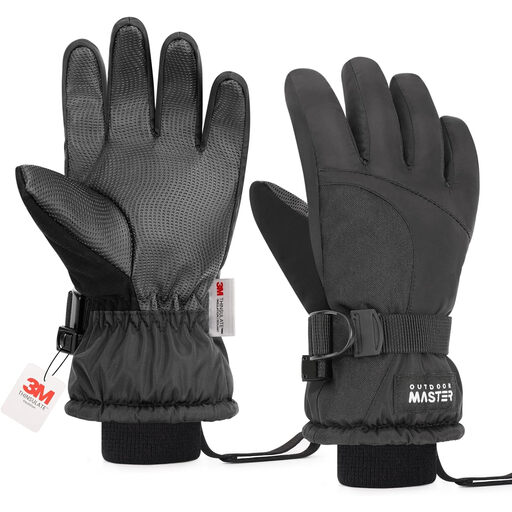
Why It's the Right Choice: Perfect for parents who want to equip their children for winter sports or snowball fights, prioritizing warmth, waterproofing, and safety above all.
This model goes beyond a simple promise of being "warm." It incorporates a benchmark insulator, 3M Thinsulate, and a waterproof TPU membrane, ensuring kids' hands stay truly dry and warm.
Adjustable wrist strap for a perfect fit and non-slip palms for a better grip on ski poles or a sled.
Explore our full selection of products that meet our quality criteria and current safety standards.
1. How can I find my glove size without trying them on? The most reliable method is to measure the circumference of your palm (on your dominant hand) with a tape measure, just below the knuckles. Then, refer to the manufacturer's size guide. If you're between two sizes, choose the larger one for winter gloves (to avoid compressing the insulating air layer) and the more fitted one for precision gloves.
2. Can I wash work or sports gloves? Yes, but with some precautions. For latex or synthetic gloves (like household gloves), a simple rinse with clean water after each use is sufficient. Some models, like the cotton-lined MAPA gloves, are even machine-washable. For more technical gloves (ski, motorcycle), you must follow the manufacturer's instructions. As a general rule, hand washing with a mild detergent and air drying away from any heat source is recommended to preserve waterproofing treatments and materials.
3. Are touchscreen gloves compatible with all screens? Yes, nearly all touchscreen gloves are designed for capacitive screens, the technology used in all our smartphones and tablets. However, effectiveness will depend on the quality of the conductive fibres and the thickness of the glove. Logically, a thinner model will offer better precision.