
Livraison le jour même ou le lendemain

Qualité garantie

Débloquez vos offres de bienvenue: Livraison GRATUITE | Jusqu'à -80 % | 30 jours d'essai gratuits à JoyPlus
Téléchargez l'application
Cleaning, cooking, DIY, sports… Whatever the activity, finding the right pair of gloves is often a real headache. The wrong choice is a recipe for disappointment: gloves that tear on first use, a so-called "one-size-fits-all" that's either too loose or too tight, or that unpleasant clammy feeling from sweat. Fortunately, these setbacks are easily avoided by focusing on a few key criteria. This guide is here to help you see things more clearly, find the perfect pair for your needs, and sidestep both marketing traps and design flaws.
To ensure you don't regret your purchase, here are the most common pitfalls to be aware of.
To find a pair of gloves that lives up to its promises, two criteria must be scrutinized: the material and the intended use.
The choice of material directly determines the durability, comfort, and level of protection your gloves will offer.
Clearly defining your needs is the key to getting it right.
To put theory into practice, here are a few models that check all the boxes, each tailored for a specific use.
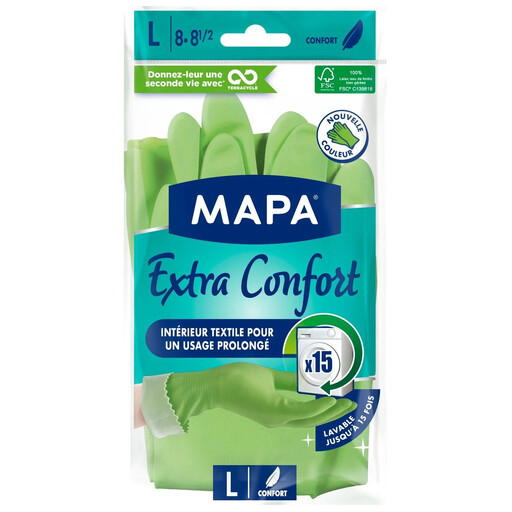
The Editor's Verdict: A timeless classic for household chores. This glove combines the flexibility of latex with the comfort of a cotton lining, making it very pleasant to wear, even during a long dishwashing or cleaning session.
Its cotton lining absorbs moisture and puts an end to the unpleasant feeling of sweaty hands. Reusable and washable, it's a much more sustainable alternative to disposable gloves for cleaning.
Unmatched comfort thanks to its 100% cotton lining, and undeniable practicality with its machine-washable design.
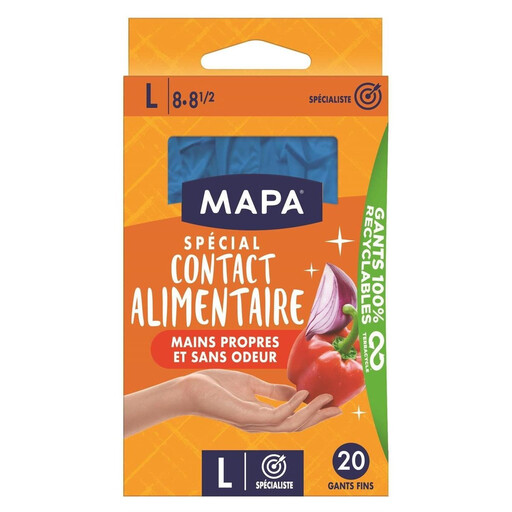
The Editor's Verdict: The essential ally in the kitchen for handling food safely, from peeling vegetables to preparing meat or fish. It ensures perfect hygiene and prevents odors from transferring to your hands.
Its "food contact" certification is explicit, removing any ambiguity about its use in the kitchen. The choice of nitrile makes it a safe bet for those with latex allergies.
Certified for all foods and latex-free, it offers a winning combination: safety and versatility.
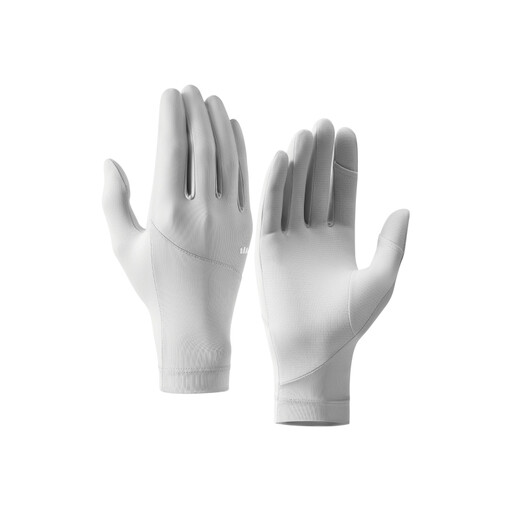
The Editor's Verdict: Designed for athletes (cycling, hiking, etc.) who want effective sun protection without compromising on comfort. Its technical fabric allows air to circulate and provides a genuine cooling sensation.
Unlike a standard glove, its technical fabric is specifically designed to wick away sweat. Say goodbye to the discomfort of clammy hands during exercise, all while being protected from UV rays.
Its cooling technical fabric and UV protection make it the perfect companion for summer activities.
Discover our complete selection of products that meet our demanding selection criteria and current standards.
To find your size, measure the circumference of your palm (the widest part, excluding the thumb). Most brands provide a size guide (S, M, L, etc.) that matches this measurement in inches or centimeters to the corresponding size. A well-fitted glove should neither be too tight nor have excess material, ensuring both comfort and precision.
Yes, and they are one of the best. Nitrile gloves are made from synthetic rubber, which makes them latex-free and eliminates any risk of allergic reaction. They often even surpass latex and vinyl in terms of resistance to punctures and chemicals.
That's a very bad idea. As their name suggests, disposable gloves are single-use to ensure optimal hygiene and protection. Washing or reusing them creates micro-tears invisible to the naked eye, which negates their barrier effect and increases the risk of contamination.