
Livraison le jour même ou le lendemain

Qualité garantie

Débloquez vos offres de bienvenue: Livraison GRATUITE | Jusqu'à -80 % | 30 jours d'essai gratuits à JoyPlus
Téléchargez l'application
Fish sauce, or nuoc mam in Vietnam and nam pla in Thailand, is much more than a simple condiment. It's the soul of Southeast Asian cuisine, a natural flavour enhancer that provides a deep, complex, and simply inimitable umami taste. Yet, faced with increasingly well-stocked shelves in Asian supermarkets, finding the right bottle can be a daunting task. Between cryptic labels and marketing promises, it's easy to end up with a disappointing product.
As a product expert at Joybuy, my mission is to bring you some clarity. Let's cut through the jargon and get straight to the point to ensure your next purchase is a success. Here are the pitfalls to avoid and the essential criteria for choosing a high-quality, authentic fish sauce.
Relying solely on price or attractive packaging is rarely a good idea. Here are the most common mistakes that can ruin your dishes.
To make the right choice, keep these two benchmarks in mind.
Your first instinct should be to turn the bottle over and decipher the label. A short ingredient list is an unmistakable sign of quality.
The right choice depends on the authenticity you're aiming for in your recipes.
To help guide you, here is our selection of fish sauces, each suited for a specific use and profile.
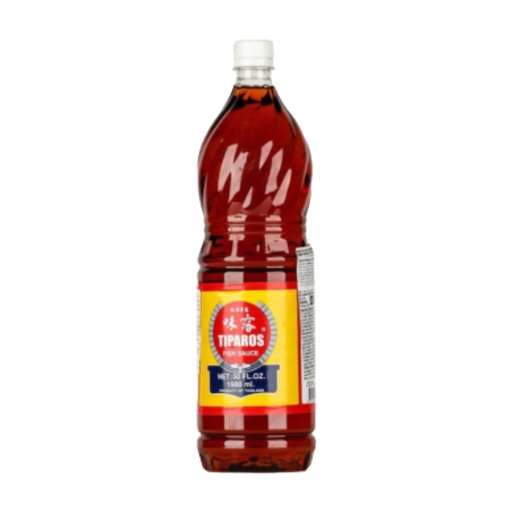
The ultimate all-purpose sauce. Ideal for those who regularly cook Asian food and are looking for a great-value product without sacrificing taste. Its large size is perfect for frequent use, and its balanced flavour is suitable for a multitude of recipes.
By choosing the Tiparos brand, a benchmark in Thailand, you're guaranteed an authentic nam pla. Say goodbye to generic, bland sauces! Its ingredient list gets straight to the point.
Its excellent value. A balanced and all-purpose flavour for everyday cooking.
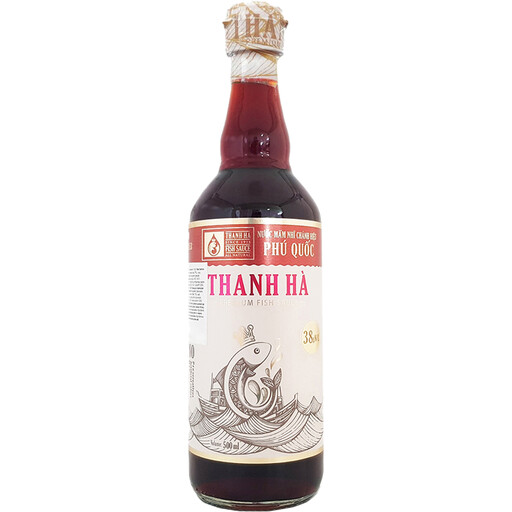
The connoisseur's choice. Perfect for Vietnamese cuisine purists seeking an intense, uncompromising *umami*. It's the ideal sauce for dips (like spring roll dipping sauce), where its purity makes all the difference.
There's no doubt about the quality here. The clear 38°N indication guarantees a high protein concentration and a rich flavour, achieved without any additives to cheat on taste.
Its high protein content (20.5 g / 100 ml) gives it a pure and powerful *umami*. With no added sugar, it delivers a raw, deep, and salty flavour.
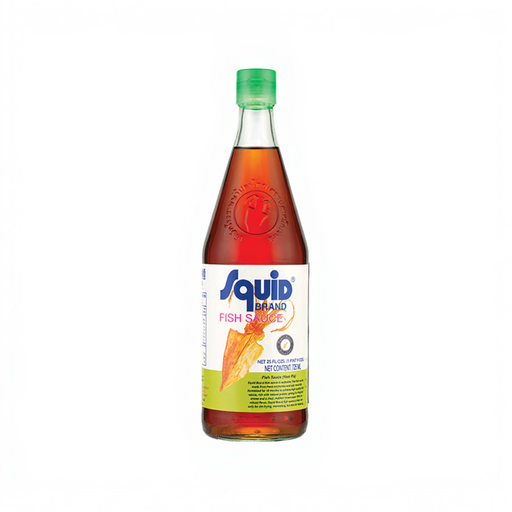
To capture the authentic taste of Bangkok street food. The Squid brand is a true institution in Thailand. Its flavour is the benchmark for countless dishes, from marinades to soups.
This one avoids the pitfall of confusing origins. By choosing Squid, you are betting on an authentic Thai fish sauce, whose flavour profile is perfectly tailored to the country's cuisine.
The authentic and renowned taste of Thailand. A simple and traditional recipe (anchovies, salt, sugar) that has stood the test of time.
We've curated a full range of sauces that meet our strictest quality standards.
1. What is the difference between nuoc mam and nam pla? Although both are fermented fish sauces, nuoc mam (Vietnam) is generally saltier and more intense, with a more pronounced fish flavour. Nam pla (Thailand) tends toward a milder, more rounded profile, sometimes balanced with a touch of sugar. It all depends on the recipe you're preparing!
2. How should I store fish sauce after opening the bottle? Thanks to its high salt content, fish sauce keeps very well. Once opened, you can store it at room temperature in a cupboard, away from light. However, to best preserve its aromas and slow down oxidation, we recommend refrigerating it.
3. Does fish sauce expire? Yes, a best-before date is indicated on the bottle. However, like wine, it can often be consumed long after this date. Over time, its colour will darken and its flavour will intensify, but it remains safe to eat. The ultimate test? Your nose. As long as it smells of salty umami and not rancid, you can use it without worry.