
Livraison le jour même ou le lendemain

Qualité garantie

Débloquez vos offres de bienvenue: Livraison GRATUITE | Jusqu'à -80 % | 30 jours d'essai gratuits à JoyPlus
Téléchargez l'application
Whether for the back-to-school season, a creative crafting afternoon, or stocking an artist's studio, choosing the right box of colored pencils can quickly become a headache. Faced with an overwhelming number of options, packaging competes with promises of vibrant colors and superior quality. Yet, the reality is often less rosy: leads that break, washed-out colors, or products unsuited for their intended use lead to frequent disappointment.
As the Head of Product Curation at Joybuy, my mission is to help you see things more clearly. Let's forget the marketing jargon and get straight to the point. Here are the pitfalls to avoid and the objective criteria for choosing pencils that will truly meet your expectations.
To make an informed choice, you need to understand the few characteristics that make all the difference.
A pencil's lead is a mixture of pigments and a binder. It's the latter that largely defines its behavior on paper.
The pigment concentration determines the intensity and vibrancy of the color. A quality pencil deposits rich, vibrant color without needing to press down forcefully. For artists who wish to sell or exhibit their work, lightfastness is a crucial criterion. It indicates the pigments' ability to resist fading over time when exposed to UV light. Reputable manufacturers always indicate this with a star rating system or an index (like ASTM or Blue Wool Scale).
For colored pencils for children, the grip is paramount.
Rather than overwhelming you with an endless list, we have matched specific products to clear needs, based on purely objective criteria.
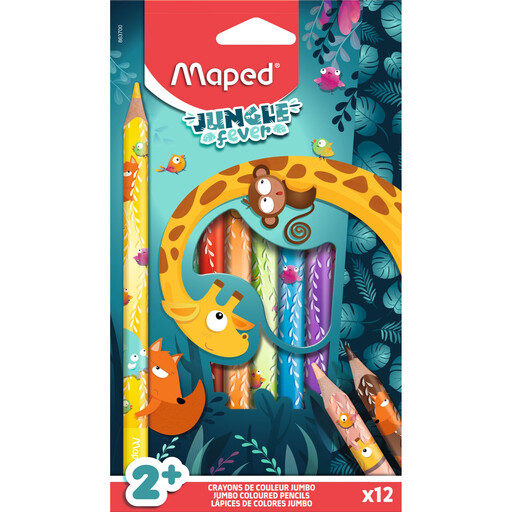
Why it's the right choice: Ideal for a child's first coloring experiences. The jumbo size and triangular shape are perfectly suited for small hands, ensuring a comfortable and intuitive grip from age 2.
This product directly addresses the safety criterion. Its wood-free resin design eliminates any risk of splinters, a crucial point for parents of young children.
Ergonomics designed for toddlers: triangular shape and wide diameter. Ultra-durable lead: a 5 mm diameter for foolproof durability and excellent coverage.
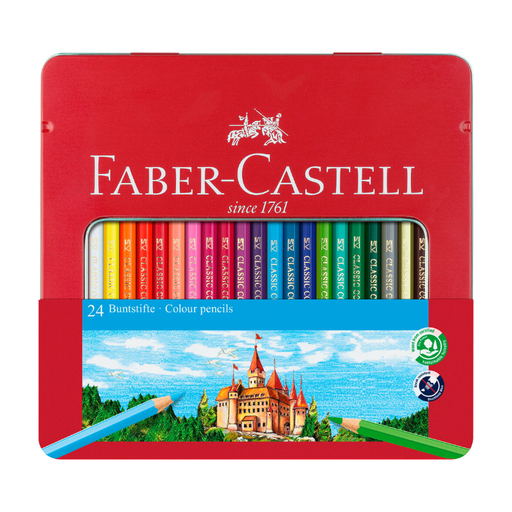
Why it's the right choice: The perfect starting point for art students or adults who enjoy coloring. This set offers the ideal balance between the quality of a renowned brand and an accessible price, with a versatile palette of 24 colors.
It avoids the "more colors is better" trap. With its 24 pigment-rich shades, it performs far better for blending and layering than most low-end 72-pencil sets.
Rich pigmentation: vibrant colors that apply smoothly. Break-resistant lead: ensures greater longevity and less waste during sharpening.
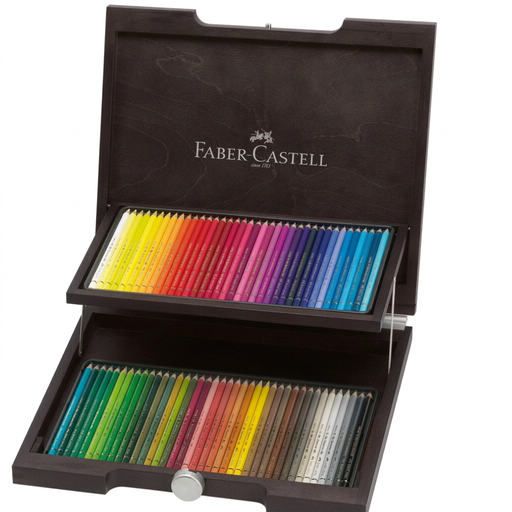
Why it's the right choice: Designed for illustrators and artists who make no compromises on quality. This set offers archival-quality pigments, exceptional lightfastness, and the full versatility of the watercolor technique.
It stands apart from the self-proclaimed "artist quality" label with concrete facts: its acid-free pigments and high lightfastness rating guarantee the longevity of artworks, a non-negotiable criterion for professionals.
Archival quality: pigments that stand the test of time. Total versatility: use wet or dry for stunning watercolor effects. Creamy application: ideal for glazing and layering.
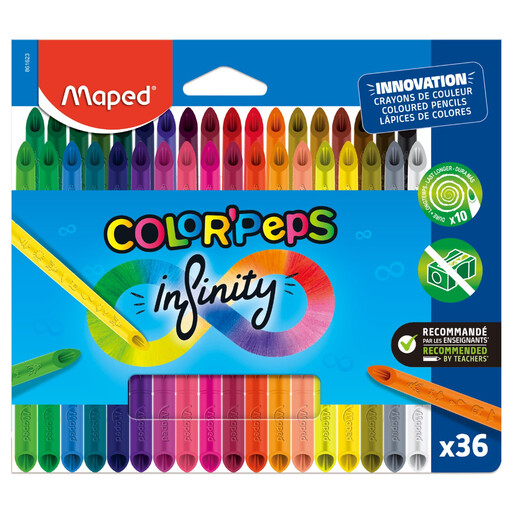
Why it's the right choice: For those seeking an innovative, durable, and hassle-free solution. Perfect for families, schools, or nomads who no longer want to be bothered with a sharpener.
This product bypasses the problem of fragile leads and waste. Its 100% lead, wood-free design makes it self-sharpening and, according to Maped, it lasts up to 10 times longer than a conventional pencil.
Zero waste, zero sharpening: the pencil sharpens itself as you color. Record-breaking durability: a 100% usable design for tenfold longevity. Ergonomics: triangular shape for a good grip.
Discover our full, up-to-date selection of products that meet these demanding selection criteria and current standards.
A wax-based lead, which is softer, is ideal for layering (including light colors over dark ones). An oil-based lead, which is harder, is perfect for fine details and allows for very smooth blends without a saturated effect. The choice will depend on your technique and preferences.
No, it's often counterproductive. A beginner will progress much faster with a good quality set of 24 or 36 pencils. Learning to mix colors to create your own shades is a fundamental skill in drawing. A smaller but higher-quality assortment encourages this essential practice.
To make your pencils last, avoid dropping them: the lead could break inside the wooden barrel. Always use a good quality sharpener that is sharp and suited to their diameter. Finally, for professional-grade pencils, store them in their box or a case to protect them from humidity and direct sunlight.