
Livraison le jour même ou le lendemain

Qualité garantie

Débloquez vos offres de bienvenue: Livraison GRATUITE | Jusqu'à -80 % | 30 jours d'essai gratuits à JoyPlus
Téléchargez l'application
Tight-feeling skin, a less radiant complexion, joint discomfort, or struggling to stick to a long-term beauty routine? Collagen is now available in powder, capsules, shots, serums, creams and face masks. Plenty of formats to suit you… but also plenty of ways to get lost among the promises and marketing claims.
Before you place an order, start by distinguishing dietary supplements from cosmetics, check the actual amount you’ll be consuming, and look at the full ingredient list. Here are the criteria to keep in mind to avoid disappointment and choose a product that fits your everyday life in the UK.
A product can display “collagen” on its packaging while only containing a limited amount. In a collagen serum or cream, this ingredient is part of a cosmetic formula designed to work on the skin’s surface. A collagen serum should not, therefore, be confused with a dietary supplement you ingest.
Claims like “rejuvenation”, “regeneration” or “lifting effect” are marketing language and do not guarantee any results. For a cosmetic product, focus instead on the texture, the hydrating agents, how well the formula is tolerated, and the instructions for use.
A large tub doesn’t necessarily mean the daily dose is high. To compare two products, always check:
Hydrolysed collagen is made up of peptides obtained through hydrolysis. This form is common in powders, capsules and drinks, but it doesn’t mean you can skip checking the stated dose or the usage precautions.
Marine collagen comes from fish. It is therefore not suitable for people with a fish or seafood allergy. This information must be checked before purchase, even if the formula looks minimal.
Powders are also sensitive to moisture and heat. A poorly sealed sachet can quickly form lumps. For capsules and shots, follow the storage temperature recommended by the manufacturer and keep the product out of reach of children.
Supplements may contain marine collagen type I, II or III, or combine several types. The presence of one type alone cannot predict the result you’ll get. Focus instead on the source, the amount per serving and the full ingredient list.
Vitamin C has an authorised nutrition claim in the European Union: it contributes to normal collagen formation for the normal function of skin, bones, cartilage and teeth. This is not a guarantee of aesthetic or joint results. If you are pregnant or breastfeeding, are on medication, or have an allergy, seek advice from a healthcare professional before taking a supplement.
For a Korean collagen skincare product, take the time to check the INCI list. Sensitive skin can react to denatured alcohol, fragrance, essential oils or certain active ingredients. A patch test on a small area is recommended before first use.
Formulas containing retinol, such as certain pads or specific treatments, require extra care: avoid the immediate eye area, follow the instructions, and apply sun protection during the day.
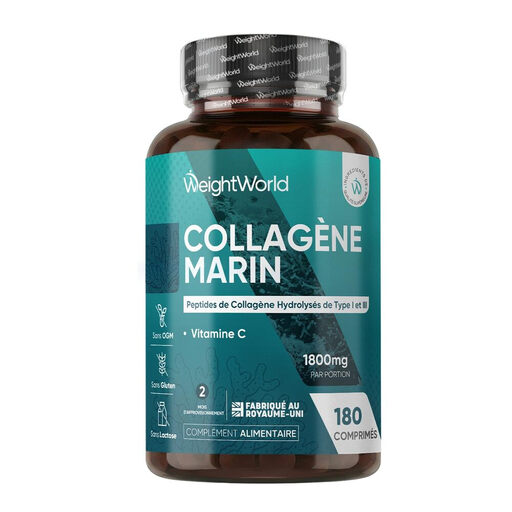
Why this choice suits this profile: The tablet format is ideal for those who want to avoid powder and keep things simple, whether at home or in the office.
The listing states 1,800 mg of hydrolysed marine collagen peptides and 90 mg of vitamin C per 3 tablets, with a stated supply of two months.
Tasteless tablets, lactose-free and gluten-free according to the product listing, with a clearly defined daily intake.
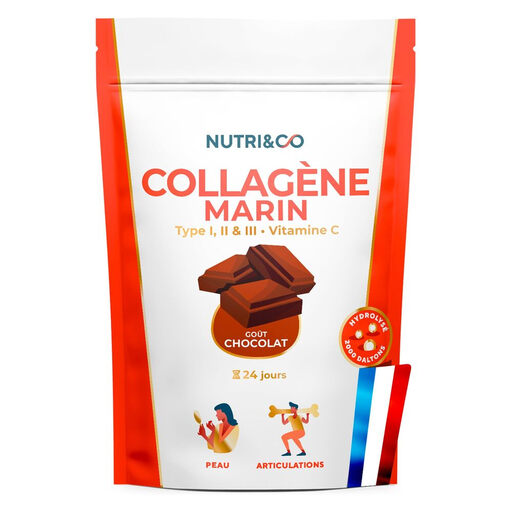
Why this choice suits this profile: This flavoured powder is aimed at adults who prefer to add their collagen to a drink and want to know exactly what’s in each dose.
The listing specifies 6,000 mg of hydrolysed marine collagen and 80 mg of vitamin C per 7.5 g dose, with 24 servings per pouch.
A vanilla flavour, a sugar-free formula according to the listing, and the stated presence of collagen types I, II and III.
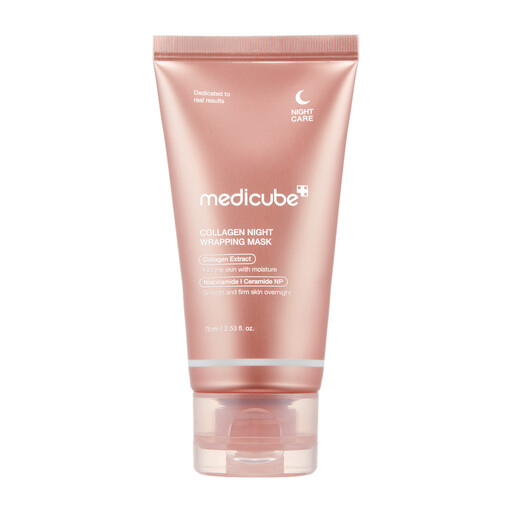
Why this choice suits this profile: This night mask is for those who want to add an external skincare product to their evening routine, without having to prepare a supplement.
Its use is clearly external and overnight: it does not replace a dietary supplement and requires no calculation of an ingested dose.
A gel-cream texture, with niacinamide and ceramide NP according to the stated composition. A patch test is still recommended.
We’ve put together a complete, real-time updated list of products that fully meet these strict selection criteria and European safety regulations.
Powder is suitable if you’re happy to measure a portion and mix it into a drink or food. Capsules and tablets are easier to carry, but sometimes require taking several a day. Shots are ready to drink and offer a convenient single serving. In every case, compare the amount of collagen per dose and the daily cost.
Follow the date on the packaging and the manufacturer’s instructions. After opening, reseal powder sachets carefully and store them in a dry place away from heat and light. Do not consume a product whose smell, colour or texture has changed.
A cosmetic product can contribute to a feeling of comfort and hydration thanks to ingredients like glycerin, hyaluronic acid or ceramides. Its effect depends on the formula and your skin’s tolerance. To choose a collagen for the skin, therefore, look at the full ingredient list rather than relying on the product name alone.