
Livraison le jour même ou le lendemain

Qualité garantie

Débloquez vos offres de bienvenue: Livraison GRATUITE | Jusqu'à -80 % | 30 jours d'essai gratuits à JoyPlus
Téléchargez l'application
Champagne is the quintessential celebratory drink. Yet, once you're standing in front of the shelf, the dream can quickly become a daunting task. Between the technical jargon, prestigious houses, and prices that range from modest to staggering, it's easy to feel lost or walk away with a bottle that doesn't suit your taste. As a product expert at Joybuy, my mission is to give you clear reference points to navigate this fascinating world and make the right choice, whether it's for a gift, a party, or simply to treat yourself.
Before we break down the selection criteria, let's review the most common mistakes that can spoil the tasting experience or unnecessarily strain your wallet.
To choose a champagne that matches your tastes and the occasion, focus on these three fundamentals.
Dosage is the addition of a small amount of liqueur just before the bottle is corked. It's this final touch that determines the champagne's sweetness profile. Here are the terms to know, from driest to sweetest:
A champagne's character largely depends on the grape varieties used. There are three main ones:
The proportion of each grape in the blend defines the house style. For example, a champagne with a majority of Pinot Noir, like Veuve Clicquot Yellow Label, will have more power and structure.
Here are a few gems chosen to meet specific profiles and needs, keeping in mind the criteria we've just discussed.
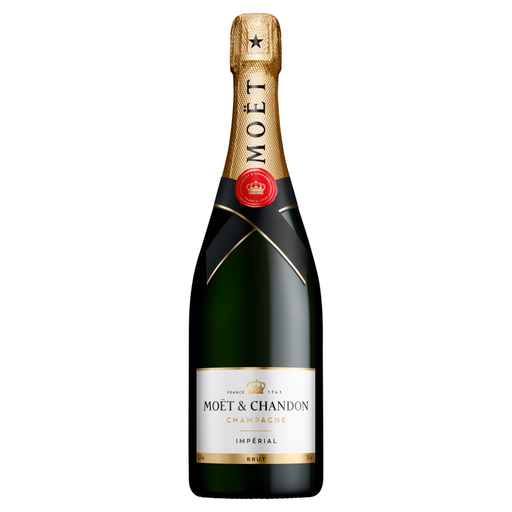
Why we chose it: This is THE benchmark for successful receptions and aperitifs. Its balanced style and fruitiness appeal to the widest audience: a safe bet that won't disappoint anyone.
As a non-vintage brut from a major house, it offers recognised consistency and quality, avoiding the risky gamble of an unknown bottle at the same price.
Its signature balance between the three Champagne grape varieties, offering notes of green apple and citrus. A reliable and universal choice.
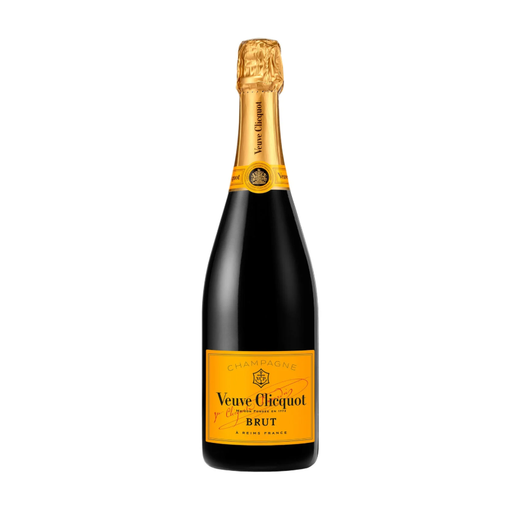
Why we chose it: For those seeking a champagne with more body and vinosity. Its assertive structure makes it an excellent companion for a meal, from starters to the cheese course.
Here, you're not just choosing a "Brut," you're choosing a style. The decision is guided by knowledge of its blend, dominated by Pinot Noir, which gives it its power and brioche aromas.
A perfect balance between power and finesse. Its composition (50-55% Pinot Noir) ensures a beautiful structure and aromatic complexity.
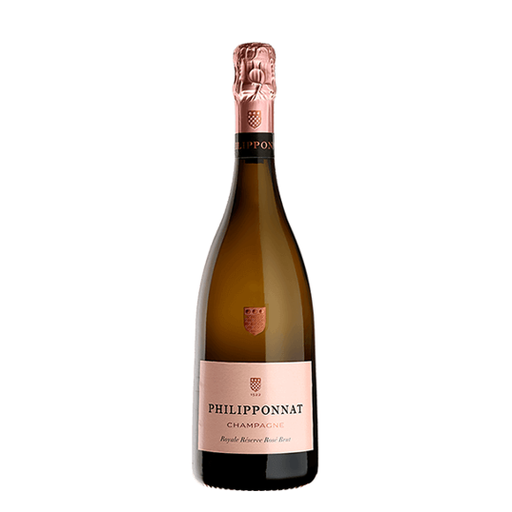
Why we chose it: Ideal for stepping off the beaten path of classic brut champagne. The rosé champagne offers a different aromatic palette, focused on red fruits, and great versatility at the table, especially with sushi or fruit desserts.
This choice shows that the world of champagne is diverse. The decision is based on a taste preference (red fruit aromas, spicy notes) rather than a simple price tag or brand name.
A fine bouquet of red fruits (cherry, wild strawberry) and a precise, fruity palate. A beautiful alternative for a refined aperitif.
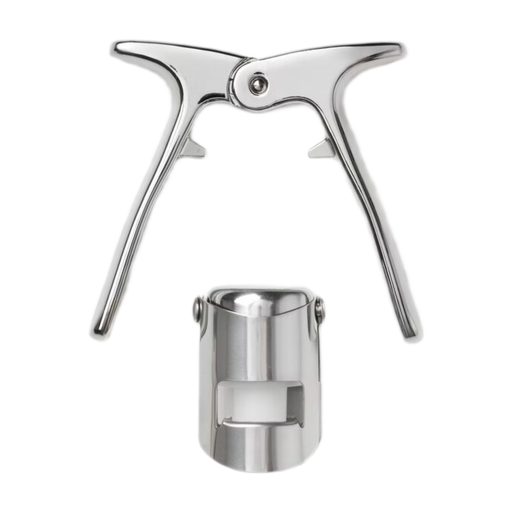
Why we chose it: An original gift idea that's a change from the predictable bottle. This champagne gift set brings together the essential tools for opening and preserving champagne with style. Its book-like design makes it a decorative object that is as discreet as it is chic.
Rather than gifting a random bottle, this set focuses on the tasting experience. It's a thoughtful and useful gift for any fan of bubbly.
Includes a bottle opener and a stopper to preserve the bubbles. All in an elegant and practical package.
We have compiled a complete and up-to-date list of products that meet our strict selection criteria and current regulations.
1. What is the difference between a brut champagne and a sec champagne? Beware the false friend: a "Sec" champagne is actually sweeter than a "Brut" champagne. Brut contains less than 12 g/l of sugar, while Sec contains between 17 and 32 g/l. For an aperitif, Brut remains the most versatile choice. Sec, on the other hand, will pair better with certain desserts.
2. How long can you keep an unopened bottle of champagne? A non-vintage champagne is meant to be drunk soon; it will not improve in the cellar. It's best to consume it within 2 to 3 years of purchase. A vintage champagne, however, has a much longer aging potential, often 5 to 10 years, or even more for exceptional cuvées. In any case, bottles should be stored on their side, away from light and temperature fluctuations.
3. Is a champagne flute absolutely necessary for tasting? Absolutely not! While the flute is photogenic and showcases the dance of the bubbles, its very narrow shape prevents the aromas from being released. To truly appreciate a complex champagne, a vintage, or a Blanc de Blancs, don't hesitate to use a tulip-shaped white wine glass. Its larger surface area for aeration will allow the bouquet to fully blossom.