
Livraison le jour même ou le lendemain

Qualité garantie

Débloquez vos offres de bienvenue: Livraison GRATUITE | Jusqu'à -80 % | 30 jours d'essai gratuits à JoyPlus
Téléchargez l'application
The protein powder aisle is a jungle. Between marketing promises and complex labels, choosing the right whey can quickly become a headache, even for a seasoned athlete. Our mission: to give you the keys to decipher formulas and find THE protein that truly matches your goals, cutting through all the hype.
Navigating the world of dietary supplements can sometimes feel like an obstacle course. To make an informed purchase, here are the three most common traps to avoid.
post-workout shake should be a pleasure, not a chore. A smooth mix and authentic flavours are crucial for long-term consistency.To make the right choice, scrutinise these key technical indicators.
Understanding these three types is the first step.
muscle recovery.The percentage of protein per serving is an excellent indicator. A quality product should provide at least 22 to 24 grams of protein for a serving of about 30 grams. This equates to a protein ratio of over 75%. Also, check for the presence of branched-chain amino acids (BCAAs), which are essential for mass gain and muscle tissue repair. A good whey naturally contains around 5 grams per serving.
A long ingredient list is rarely a good sign. Avoid endless lists that hide bulking agents ("fillers"), excessive thickeners, and multiple sugars. The presence of sweeteners like sucralose or acesulfame-K is common and helps maintain a low-sugar profile.
Instead of an endless list, we've selected three products that cater to specific profiles, applying the objective criteria discussed above.
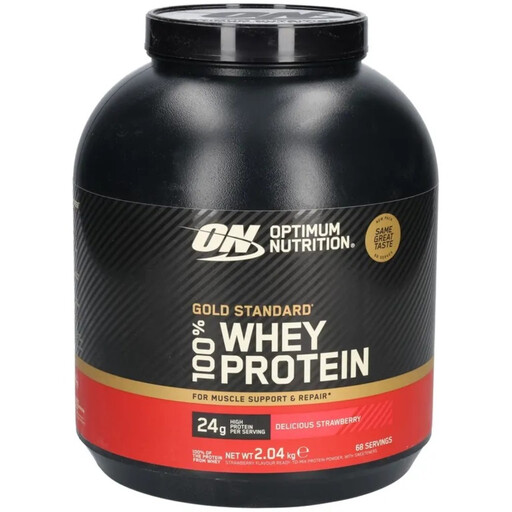
Why it's a great choice: This is THE gold standard for demanding athletes. Its formula is engineered for performance, with an emphasis on purity and absorption speed for optimal recovery after intense workouts.
Maximum transparency: whey isolate is the first ingredient on the list. This is proof of quality that justifies its premium positioning and avoids the trap of opaque "blends".
24 g of protein per serving, enriched with 5.5 g of naturally occurring BCAAs. Its legendary mixability guarantees a perfectly smooth shake, without a single clump.
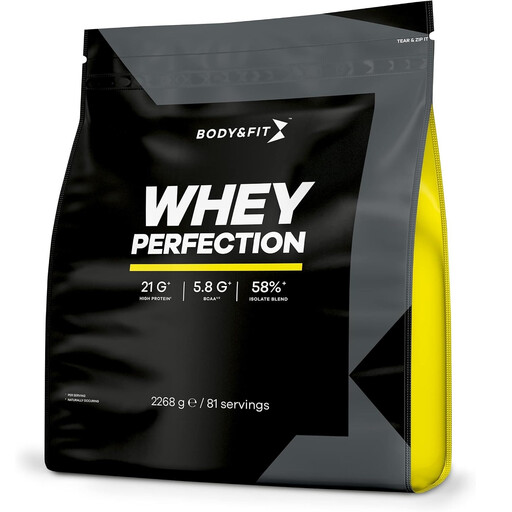
Why it's a great choice: Perfect for daily use without breaking the bank. It offers a solid nutritional profile to support fitness goals, whether for recovery or to supplement daily protein intake.
This product doesn't claim to be ultra-premium, and that's its strength. It's transparent about being a blend of isolate, concentrate, and hydrolysate, focusing on the essentials: a solid protein boost at a fair price.
Excellent value for money with 22 g of protein per serving. Its formula is low in sugar and fat, and the choice of flavours is immense.
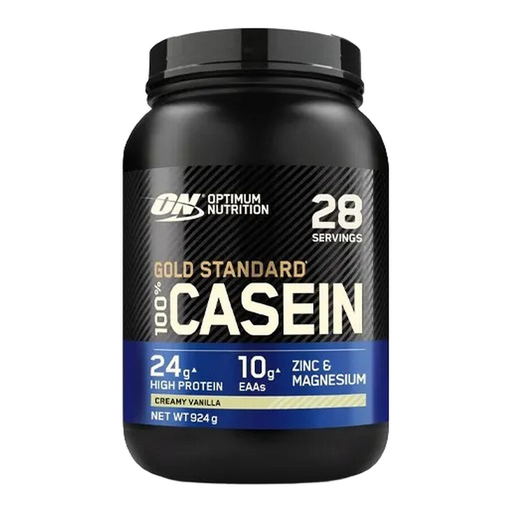
Why it's a great choice: For those who want to keep feeding their muscles even while they sleep. Casein is a slow-digesting protein, perfect before bed for a sustained release of amino acids throughout the night.
This product meets a very specific need. It avoids the common mistake of using a fast-acting protein (whey) at the wrong time, offering a solution optimised for long periods without food, such as overnight.
24 g of slow-digesting micellar casein per serving. Its texture, which is intentionally thicker, provides a pleasant feeling of fullness before bed.
Discover our full selection of products that meet our quality standards and current regulations.
It's all about absorption speed. Whey is a "fast" protein. Digested in 1-2 hours, it causes a spike of amino acids in the blood, which is ideal for the anabolic window right after a workout. Casein, on the other hand, is a "slow" protein. It forms a gel-like substance in the stomach and digests over a long period (up to 7 hours), ensuring a gradual release of amino acids. It's the perfect choice before bed or between long-spaced meals.
The most strategic time remains the famous "anabolic window," which is 30 to 60 minutes post-exercise, to optimise muscle recovery. However, don't forget: it's your total protein intake over 24 hours that matters most. A shake can also be an excellent option for breakfast, as a snack to curb hunger, or to enrich a meal that's a bit light on protein.
Of course! Mixing it with milk (dairy or plant-based) will make your shake creamier and add extra nutrients. Feel free to add it to your smoothies, porridge, yoghurts, or even your pancake and muffin recipes to boost their protein content.