
Livraison le jour même ou le lendemain

Qualité garantie

Débloquez vos offres de bienvenue: Livraison GRATUITE | Jusqu'à -80 % | 30 jours d'essai gratuits à JoyPlus
Téléchargez l'application
Whether it's for back-to-school, a new professional project, or simply for jotting down your ideas, choosing a notebook might seem trivial. And yet... who hasn't cursed a notebook where the ink bleeds through the pages, the spiral snags on everything, or the cover gets ruined after just three days in a bag?
As a Product Expert at Joybuy, my mission is to help you get some clarity and find the notebook that is truly suited to your daily life, cutting through the marketing noise. Let's break down the common pitfalls to avoid and the key criteria for making the right choice.
Before diving into specific models, it's helpful to know the recurring flaws that turn a promising purchase into a daily frustration.
To avoid these issues, focus on three features that define a notebook's quality and intended use.
The layout of the lines on the page, or ruling, should match your primary need.
How the pages are held together directly impacts the notebook's handling and sturdiness.
Finally, the size and quality of the paper are crucial.
To put theory into practice, here is our selection of models for different users.
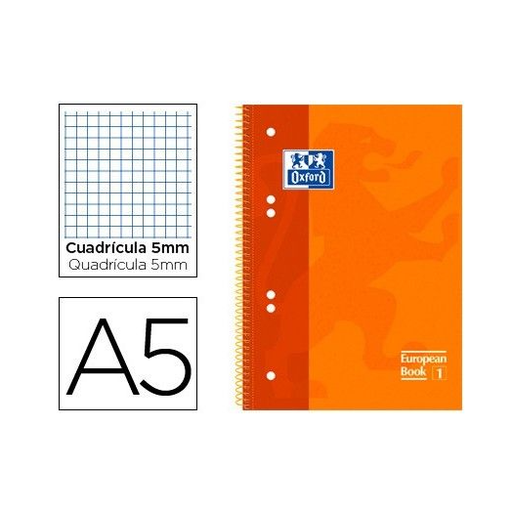
Why we love it: Ideal for students who fill up pages quickly. Its extra-rigid cover withstands the rough and tumble of a backpack, and its spiral binding makes it easy to use in a lecture hall. The micro-perforated pages tear out cleanly for filing in a binder.
Its high-quality Optik Paper prevents ink from bleeding through. The hardcover and sturdy spiral ensure its longevity.
Its large 120-page capacity and 5x5 grid ruling make it a student's Swiss Army knife, equally suited for sciences and humanities.
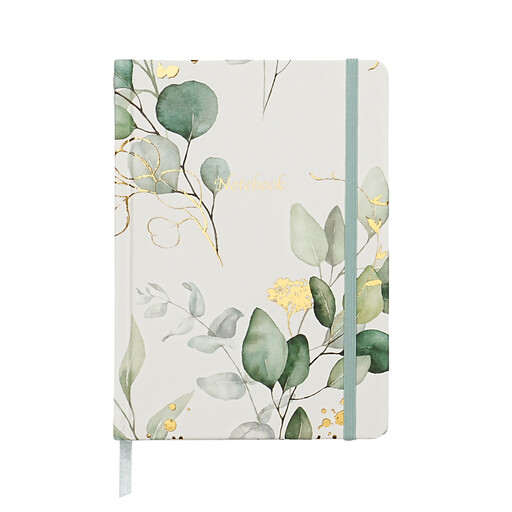
Why we love it: For those who value style as much as function. This notebook combines a refined aesthetic with practical details: a hardcover, a ribbon bookmark, and an elastic closure. It's a stylish companion for meetings or journaling sessions.
Its thick 100 gsm paper is a delight for all pens and is highly resistant to ink. The hardcover effectively protects the pages.
Its premium finishes (textured cover, ribbon, elastic) make it a beautiful object that's as practical for daily use as it is perfect for a gift.
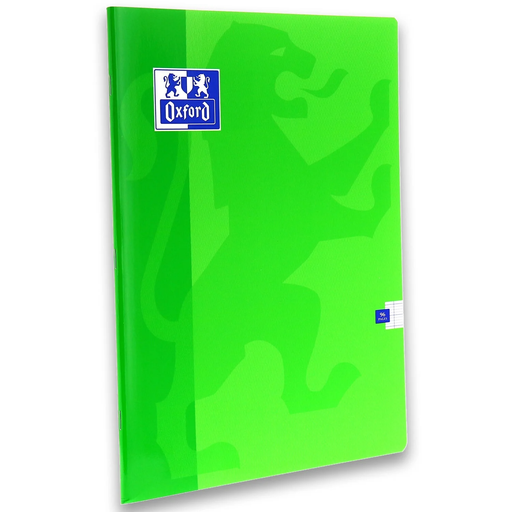
Why we love it: It's the classic on school supply lists—the one that checks all the boxes. Its 24x32 cm size and Seyès ruling are the standards required by teachers. The laminated card cover offers unbeatable durability for a busy school year.
It meets all school requirements, avoiding any back-to-school surprises. Its Optik Paper puts an end to the nightmare of smudged ink.
A tried-and-true choice proven in millions of school bags. Its two-tone ruling is designed to improve readability and reduce eye strain—a significant plus.
Explore our full selection of notebooks and journals, all approved by our experts based on these quality criteria.
Seyès ruling is a French standard composed of a main 8x8?mm grid, with thinner horizontal lines every 2?mm to guide the height of letters. The 5x5 grid is a simple grid of 5x5?mm squares, which is more versatile for diagrams, graphs, and technical notes.
Not necessarily. A heavy weight (90 gsm and up) is a mark of quality, especially if you use liquid ink pens. However, it also makes the notebook heavier (and more expensive). For quick notes with a pencil or ballpoint pen, a 70 or 80 gsm paper can be perfectly adequate and more economical.
The choice depends on your use case. Spiral binding is very practical: the notebook opens completely flat, which is a decisive advantage for writing on your lap or on a small desk. Sewn binding, often paired with a hardcover, is more durable and elegant. It's the preferred choice for notebooks you want to keep for a long time, like a diary or a project journal.