Joybuy Insights

Carving a Chicken: The Ultimate Guide and Essential Tools

Buying a whole chicken is a great way to enjoy delicious meals and save money. However, the thought of carving it yourself can be intimidating. Between the fear of waste and the challenge of tackling bones, many people give up and opt for pre-cut pieces instead.

Don't worry, this guide is here to demystify the process. We'll show you a foolproof, step-by-step method for carving a chicken and introduce our top picks for the best tools to get the job done effortlessly. Our goal?: to give you the confidence to turn a whole chicken into a variety of meals, all while controlling the quality and freshness of your ingredients.

The Practical Guide: How to Prepare a Chicken in a Few Steps

Carving a chicken is all about technique, not brute force. By following the joints, the process becomes surprisingly simple. Follow our guide—anyone can do it.

What you'll need?:

  • A stable, clean cutting board.
  • Sturdy poultry shears, the ideal tool for tackling bones.
  • A whole chicken, rinsed and patted thoroughly dry with paper towels.

The Carving Steps?:

  1. Remove the legs?: Place the chicken on its back. Pull one leg away from the body to stretch the skin taut, then cut the skin between the thigh and the breast. Next, bend the leg backward until you feel the joint pop. All that's left is to cut through the joint to detach it. Repeat on the other side.
  2. Separate the thigh from the drumstick?: Place the whole leg skin-side down. Find the fat line that indicates the joint. A firm cut with your knife right there is all it takes to separate the chicken thigh from the drumstick.
  3. Detach the wings?: Just like with the leg, pull a wing away from the body to expose the shoulder joint. Cut through this joint to remove it from the carcass.
  4. Separate the breast from the carcass?: Using your poultry shears, cut along both sides of the backbone to remove it. And whatever you do, don't throw away the carcass?: it's perfect for a homemade stock!
  5. Split the breast?: Turn the breast over (skin-side down) and cut it in half along the breastbone. This will give you two beautiful chicken breasts, which you can leave whole or cut into smaller pieces.

Choosing the Right Tools and Ingredients: Our Advice

To ensure the carving process goes smoothly, the right equipment is essential. Here's our advice on making the best choices.

The Essential Utensil: Poultry Shears

While a sharp chef's knife can do the job, poultry shears offer far superior safety and efficiency, especially for beginners. They provide a more secure grip, and their leverage allows you to cut through small bones and cartilage without struggling. When buying, look for a model made of stainless steel for durability and hygiene. Ergonomic, non-slip handles are also a real bonus for safe handling.

Selecting the Right Chicken

It all starts with choosing a quality bird. For many families, opting for a whole halal chicken is a non-negotiable criterion. Be sure to check for an official certification on the packaging. A chicken weighing around 1 to 1.5 kg (2.2 to 3.3 lbs) is an ideal size for a family of four and is easier to handle than a larger bird.

Our Recommended Product Selection

To help you get equipped and prepare a chicken like a pro, here is our selection of products that combine efficiency and quality.

Wangmazi 30Cr13 Stainless Steel Kitchen Shears

Wangmazi 30Cr13 Stainless Steel Kitchen Shears

  • Why they stand out?: These shears are built for tough jobs. Their 30Cr13 stainless steel construction gives them unbeatable sturdiness, capable of cutting through chicken or duck bones effortlessly. They are a powerful ally for tackling bones with ease.
  • Advantages?:
    • Thick, sharp blades for a clean, precise cut.
    • Versatile?: they can handle poultry as well as fish scales or crustacean shells.
    • Polypropylene (PP) handles for a comfortable and secure grip.
  • Who is it for??: For home cooks who want a reliable, high-performance tool to confidently start carving poultry.

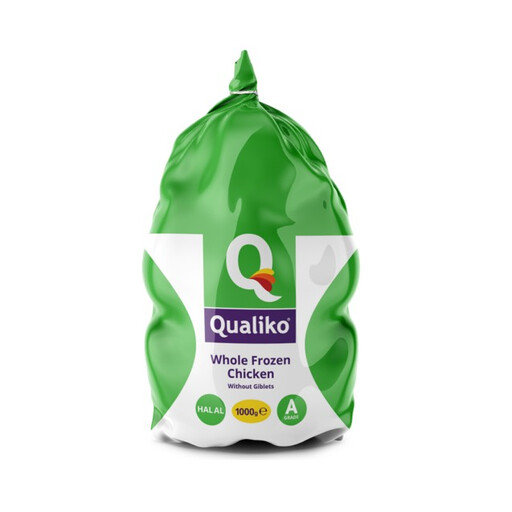
Qualiko Halal Whole Chicken 1kg

Qualiko Halal Whole Chicken 1kg

  • Why it stands out?: This frozen whole halal chicken is the perfect solution for always having a quality bird in your freezer. Its certification guarantees compliance with religious rites, a key factor for many consumers.
  • Advantages?:
    • Official halal certification.
    • Convenient 1 kg size, ideal for a family meal.
    • Flash-frozen to preserve the freshness and quality of the meat.
  • Who is it for??: For families and anyone looking for a certified halal whole chicken that's easy to store and always ready to cook.

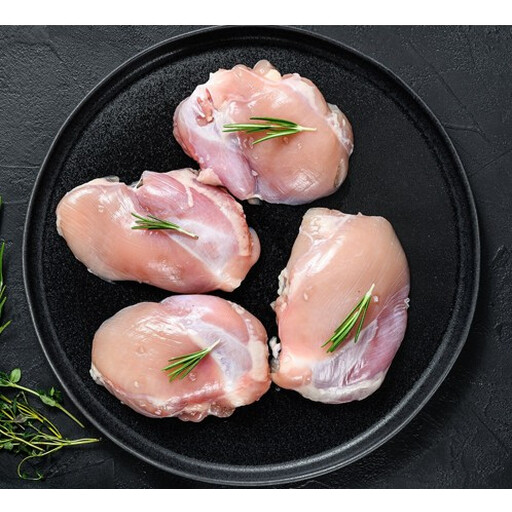
Qualiko Boneless, Skinless Chicken Thighs, 2.5 kg

Qualiko Boneless, Skinless Chicken Thighs, 2.5 kg

  • Why it stands out?: Love the tenderness of chicken thighs but dread the prep work? This product is for you. The meat is already boneless and skinless, ready to use.
  • Advantages?:
    • A huge time-saver in the kitchen.
    • Tender, juicy meat, perfect for grilling, stews, or stir-fries.
    • Generous 2.5 kg package, ideal for meal prep or large gatherings.
  • Who is it for??: For cooks short on time, large families, or anyone preparing a meal for a crowd who wants to skip the chore of carving.

Looking for Other Options?

Didn't find what you were looking for in our selection? Or maybe you're just looking for other types of poultry or seafood? Take a look at our full department.

? Explore our entire range of Fish and Poultry

Frequently Asked Questions (FAQ)

1. Is it easier to carve a chicken with shears or a knife? For a beginner, poultry shears are definitely simpler and safer. The grip is better, and the risk of slipping while cutting through bone is much lower than with a knife. A sharp chef's knife is still an excellent option, but it's better suited for more experienced cooks.

2. How should I store the different parts of the chicken after carving? Once cut, the pieces can be stored for 2-3 days in the refrigerator in an airtight container. For longer storage, freezing is your best friend. Pack them in suitable freezer bags, and they will keep for several months. Don't forget to label each bag with the date and the cut (e.g., thigh, breast).

3. Can I use the chicken carcass? Absolutely! Whatever you do, don't throw the carcass away. It's packed with flavour and makes the perfect base for a homemade chicken stock. Place it in a large pot with aromatic vegetables (carrots, onions, celery) and some herbs, cover with water, and let it simmer on low heat for a few hours. The result: a rich, fragrant homemade stock, perfect for elevating your soups and sauces.