
当日/次日达

品质保障

开启新人专享福利: 全场免邮 | 低至 2 折 | 免费试用 30 天 JoyPlus 会员
下载 Joybuy
Burnt-on grease in the oven, limescale in the bathroom, a slow-draining pipe or an oil stain on clothing: household cleaning and degreasing products are designed to tackle very different problems. Yet packaging often promises universal action, immediate use or long-lasting results without always making the product’s limitations clear.
Before you buy, three potential pitfalls deserve your attention:
The first question is simple: what do you want to clean or maintain? Requirements vary depending on whether you need an oven degreaser, a bathroom limescale remover, a dishwasher cleaner or a grease and oil stain remover.
In particular, check:
For example, an oven cleaner may be designed for enamelled walls, racks or certain glass doors, while not being recommended for aluminium, copper, seals or induction hobs. When the instructions recommend it, it is best to test the product on a discreet area first.
The ingredients can help you anticipate the level of care required. The presence of hydrocarbons, surfactants, enzymes or sodium hydroxide does not automatically mean that the product is suitable for your intended use.
With a pipe unblocker, sodium hydroxide can cause serious burns. Never mix it with other cleaning products, particularly acidic or chlorine-based formulas. Wear gloves and eye protection whenever the label instructs you to do so.
A product marketed as free from caustic soda is not necessarily harmless. An aerosol oven cleaner, for example, should be used in a well-ventilated area, away from heat sources, and never on a hot oven unless the instructions specifically permit it.
A large bottle is not always the most economical option. Compare the volume, number of doses and recommended frequency of use. For dishwasher maintenance, pre-measured sachets can help reduce waste. For fabrics, a small targeted stain remover may prove more practical than a general-purpose product.
Also look at the additional features:
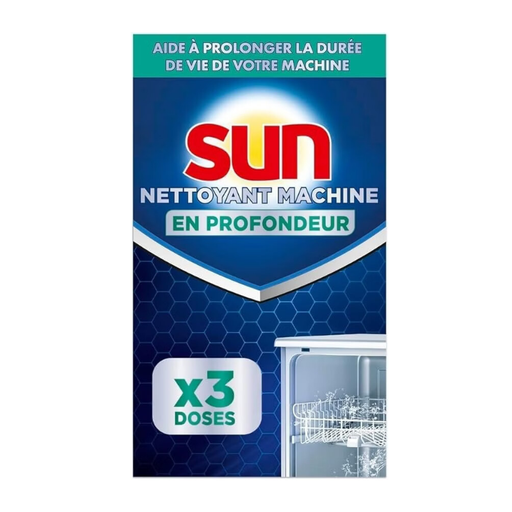
Why this choice suits this profile : The three sachets make it easy to plan dishwasher maintenance without buying a large pack or measuring out liquid doses.
The pre-measured format helps prevent overdosing. The instructions specify using it during a short or eco cycle, with the appliance empty, and recommend repeating the process every two months.
3 x 40 g sachets, claimed action against limescale and grease, used in the detergent compartment.
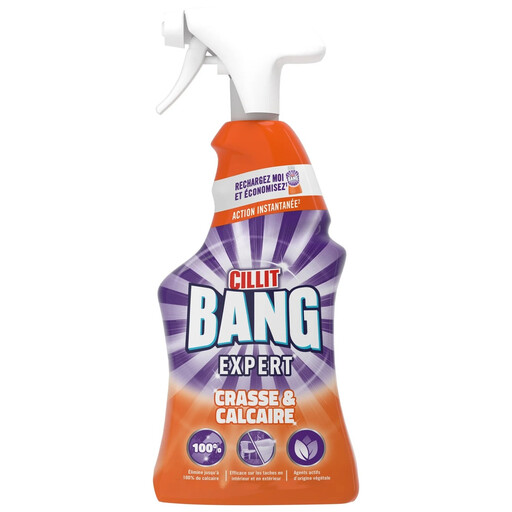
Why this choice suits this profile : The refillable spray bottle is ideal for households that value a smart presentation, regular use and the option to keep the bottle.
Its refill compatibility means you do not need to buy a complete spray bottle each time. However, you should check that it is suitable for the surface and follow the rinsing instructions.
750 ml capacity, foam designed to tackle limescale, soap residue and dirt, refillable bottle.
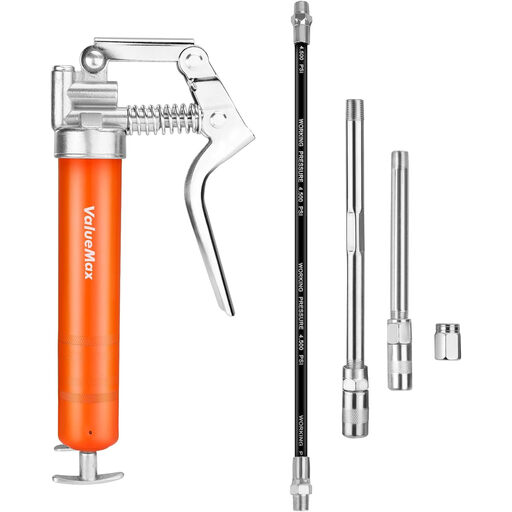
Why this choice suits this profile : This lubrication accessory is designed for automotive maintenance, mechanical work and DIY tasks that require access to narrow spaces.
The stated maximum pressure of 3,500 PSI and 300 mm flexible hose provide concrete reference points, unlike descriptions that simply mention “professional use”.
Pistol grip, 300 mm flexible hose, two metal tubes measuring 148 mm and 99 mm, stated weight of 850 g.
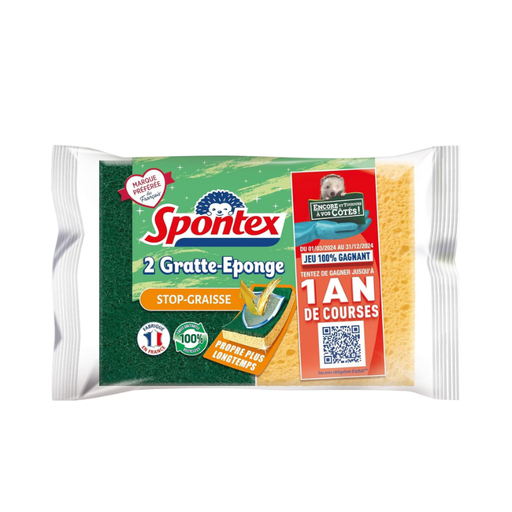
Why this choice suits this profile : This pack of two sponges is suitable for everyday kitchen tasks and means you do not always have to rely on a chemical formula.
The manufacturer states that the fibres rinse clean easily and that the sponges can be machine-washed at 40 °C. However, their abrasive surface should not be used on delicate or non-stick coatings.
Pack of 2, plant-based absorbent section, made in France as stated, can be maintained at 40 °C.
We have put together a complete, real-time updated selection of products that meet these strict criteria, as well as European safety requirements.
No. An oven degreaser, a bathroom limescale remover and a fabric stain remover do not have the same formula or the same compatible surfaces. Always read the instructions and follow the exclusions specified by the manufacturer.
Empty the appliance, use the recommended dose and select the cycle specified on the packaging. Some dishwasher maintenance products are designed for use during a short or eco cycle. The frequency depends on the manufacturer’s recommendations, as well as your usage, water hardness and the build-up of residue.
Rinse it after each use, wring it out and leave it to dry. Replace it as soon as it becomes worn, smelly or misshapen. For the Spontex model featured here, the manufacturer recommends replacing it approximately every two months and advises against using it on delicate surfaces.