
Livraison le jour même ou le lendemain

Qualité garantie

Débloquez vos offres de bienvenue: Livraison GRATUITE | Jusqu'à -80 % | 30 jours d'essai gratuits à JoyPlus
Téléchargez l'application
Navigating the jungle of household and personal care products can be a real challenge. Between the marketing blitz, endless ingredient lists, and a bewildering array of labels, it's hard to find a product that ticks all the boxes: effective, safe for the whole family, and cost-effective. As a Product Recommendation Manager at Joybuy, my mission is to help you cut through the noise. Let's break down the common pitfalls so you can shop with total confidence.
To avoid falling into these traps, focus on these key points that make all the difference.
Instead of trusting marketing slogans, look for certifications that verify a brand's genuine commitments.
For a sensitive skin face wash or a household product you handle with bare hands, deciphering the label is an essential habit.
The real smart buy is a product that works. For cleaning, a powerful and concentrated kitchen degreaser will always be more economical than a basic product where you use up the bottle in no time. Similarly, a natural household cleaner based on vinegar or baking soda can be incredibly versatile, replacing an entire army of specialised products on its own.
To help you put this advice into practice, here are a few products that meet specific user profiles.
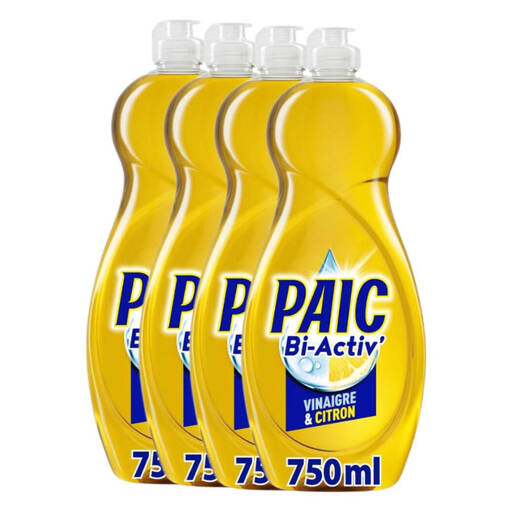
Why we chose it: This bundle combines a generous size with an ultra-powerful formula, perfect for tackling daily piles of dishes. Its renowned effectiveness, even in cold water, is a real bonus for lowering your energy bill.
It sidesteps the false economy trap. Its bi-active formula is so effective on tough grease that a few drops are all you need. This makes the bundle truly cost-effective in the long run.
Enhanced effectiveness: The combination of vinegar and degreasing agents cuts through baked-on and caked-on grease. Bonus: the bottle is made from 100% recycled and recyclable plastic.
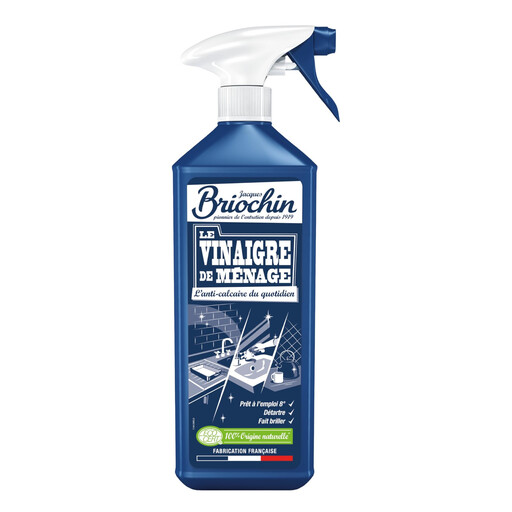
Why we chose it: The obvious choice for fans of simple, traditional, and local solutions. This cleaner relies on a trusted and ultra-effective classic: vinegar. The Made in France label is a seal of trust that carries significant weight for many consumers.
It avoids greenwashing by relying not on vague promises, but on a transparent formula (water, vinegar) and verifiable local manufacturing. The effectiveness of vinegar as a descaler and sanitiser is well-established.
Versatility and simplicity: A single product to descale, shine, and sanitise almost the entire house (kitchen, bathroom), allowing you to say goodbye to the clutter of bottles under the sink.
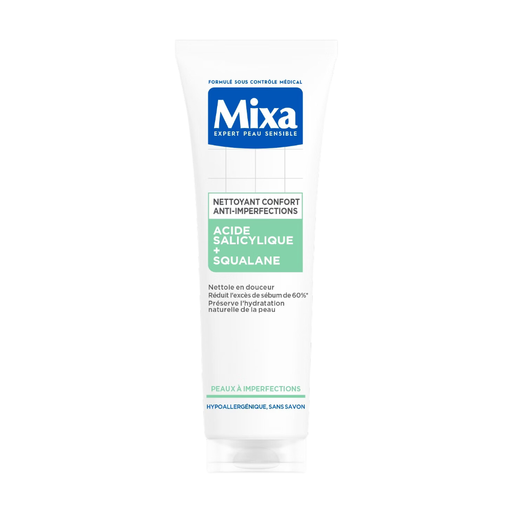
Why we chose it: A specialised formula for sensitive, blemish-prone skin. It combines renowned dermatological active ingredients (salicylic acid, squalane) to purify the skin without stripping or drying it out, thereby respecting the balance of even the most reactive skin types.
Here, the "hypoallergenic" claim is not just empty words. The formula is dermatologically tested on sensitive skin and its effectiveness is proven by clinical tests—a reassuring sign of reliability.
Targeted dual action: It treats imperfections and regulates excess sebum (salicylic acid), while preserving hydration and the skin's protective barrier thanks to squalane.
We have selected other top picks for you that tick all the boxes on our checklist: effectiveness, safety, and a fair price.
Yes, and sometimes even more so, provided you choose the right active ingredients! Ingredients like white vinegar, baking soda, and black soap have been proven effective for decades. Many brands now offer natural formulas whose effectiveness is lab-verified. Some even carry the European Ecolabel, which requires performance comparable to market-leading products.
Your best ally: independent labels. The European Ecolabel is the gold standard in this area. It guarantees a biodegradable formula, limited toxicity for aquatic environments, eco-designed packaging, and proven washing effectiveness. A final glance at the ingredient list will help you spot any undesirable components.
In principle, yes. A multi-purpose cleaner is designed for common washable surfaces (laminate countertops, ceramic hobs, stainless steel, tiles). However, caution is advised on porous or delicate materials like marble, natural stone, or unfinished wood. A vinegar-based cleaner, for example, is acidic and can damage them. The golden rule: always test on a small, hidden area before you begin.