
Livraison le jour même ou le lendemain

Qualité garantie

Débloquez vos offres de bienvenue: Livraison GRATUITE | Jusqu'à -80 % | 30 jours d'essai gratuits à JoyPlus
Téléchargez l'application
With claims such as “99.9% of bacteria eliminated”, long-lasting fragrance and formulas presented as versatile, comparing household disinfectant products is not always straightforward. A product designed for laundry may not be suitable for kitchen surfaces, while an acidic or chlorine-based toilet gel can damage certain materials.
To buy what you actually need and avoid unnecessary expense, it is best to start with your specific requirement: disinfecting laundry at low temperatures, cleaning the toilet, removing limescale in the bathroom, degreasing the kitchen or unblocking a drain.
A product may remove marks, grease or unpleasant smells without actually being a disinfectant. This is particularly true of some multi-purpose cleaners and fabric conditioners. The phrase “long-lasting freshness” mainly describes the fragrance or the sensation left after use, not necessarily a biocidal action.
To check the stated function, look for the following on the label:
The percentages shown refer to results claimed under the conditions specified by the brand. They do not guarantee the same result if the dosage, temperature or dwell time is not respected.
A multi-purpose bleach may whiten and clean certain surfaces, but it is not suitable for every material. It may damage coloured textiles, certain metals, wood and sensitive surfaces. Similarly, an anti-limescale bathroom cleaner is generally formulated for mineral deposits and may not be recommended for marble, natural stone or delicate grouting.
The stated versatility should therefore be checked against the list of approved surfaces. If in doubt, always test it on a small, inconspicuous area.
Never mix a chlorine-based product with an acidic product, ammonia or another cleaner. This applies particularly to toilet gels, drain unblockers and bleach: dangerous gases may be produced.
Wear gloves when recommended on the label, ventilate the room and store bottles closed, out of the reach of children and animals.
A laundry disinfectant is generally added to the compartment intended for fabric conditioner, rather than directly onto dry clothes. For low-temperature washes, check the minimum usage temperature. Some products claim to work from 20°C, including on short cycles.
The bottle size also matters: a 500 ml format may be enough for occasional use, while a 1 or 1.5 l bottle will be more practical for a family or frequent washing. Also check compatibility with wool, silk and delicate fabrics. A washing machine disinfectant does not automatically replace the mechanical cleaning of the drum, seal and detergent drawer.
A toilet disinfectant in gel form clings beneath the rim, allowing you to leave it to work for the recommended contact time before brushing or rinsing. Hypochlorite-based formulas are suitable for some bleaching and disinfecting applications, but they require extra care.
An acid-based disinfectant toilet cleaning gel can tackle limescale and mineral deposits. However, it must never be used with bleach. If your home has a septic tank, choose a product explicitly designed for this environment and follow the manufacturer’s instructions.
An anti-limescale spray with disinfecting properties may be suitable for tiles, sinks, shower screens and taps where these surfaces are approved. In the kitchen, a disinfectant kitchen cleaner must be rinsed with drinking water after application if it is used on a food-contact surface.
A trigger spray makes it easier to apply the product precisely and reduces the risk of overdosing. Respect the recommended spraying distance and avoid breathing in the mist.
A drain unblocker in gel form is designed to dissolve or soften certain blockages. It is not a routine cleaning product. Caustic soda, hypochlorite and other corrosive substances can cause serious burns.
Use the stated dose, do not lean over the drain and never combine different drain unblockers. If the blockage persists, mechanical intervention may be preferable.
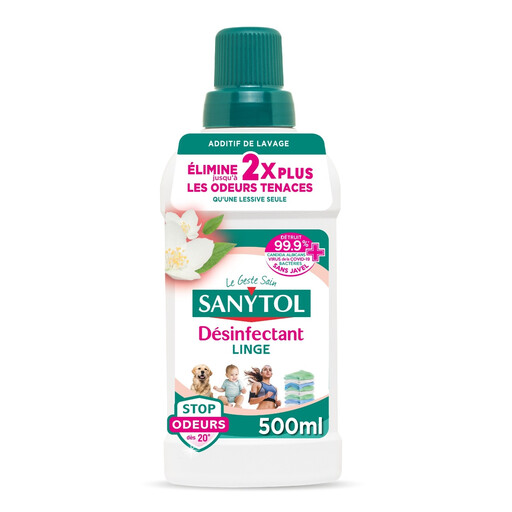
Why this choice suits this profile : Its 500 ml size is ideal for starting with targeted laundry use, particularly on short or low-temperature cycles.
The label states that it should be added to the fabric conditioner compartment and can be used from 20 °C. This helps you avoid choosing a product for cold washes that merely adds fragrance to your laundry.
Compact size, dosage indicated for a standard load and a formula designed specifically for laundry.
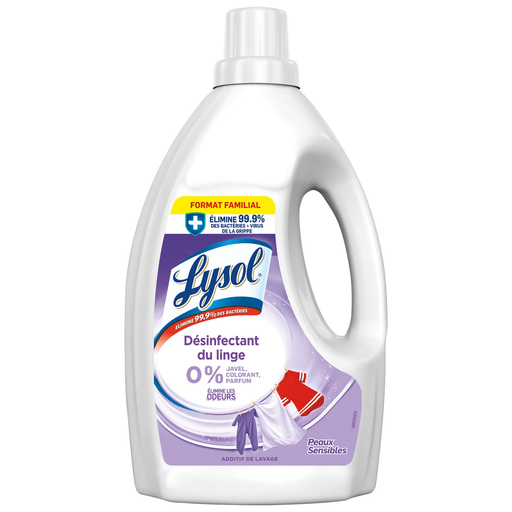
Why this choice suits this profile : Its large format is aimed at households that regularly wash sportswear, underwear, household linens or children’s clothing.
The product information mentions a bleach- and dye-free formula that can be used from 20 °C against bacteria. It is still essential to check textile care labels and usage precautions.
1.5 l volume, advertised fragrance-free formula and stated compatibility with white and coloured fabrics.
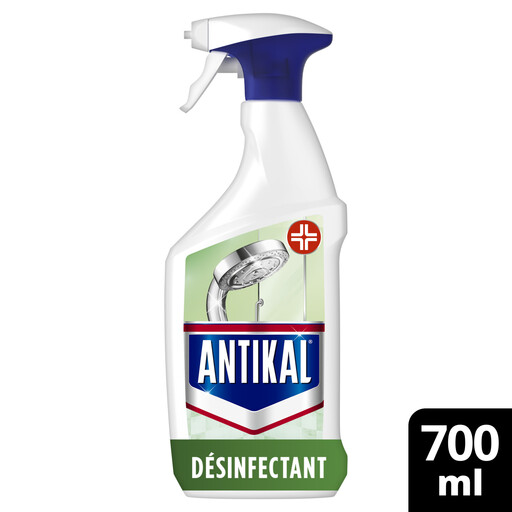
Why this choice suits this profile : The spray format is well suited to frequent cleaning of showers, sinks, tiles, shower screens and taps.
The product information distinguishes limescale cleaning from the contact time required for disinfection. If an action time is specified, do not wipe it off immediately.
700 ml capacity, targeted application and advertised action against limescale, soap residue and water marks.
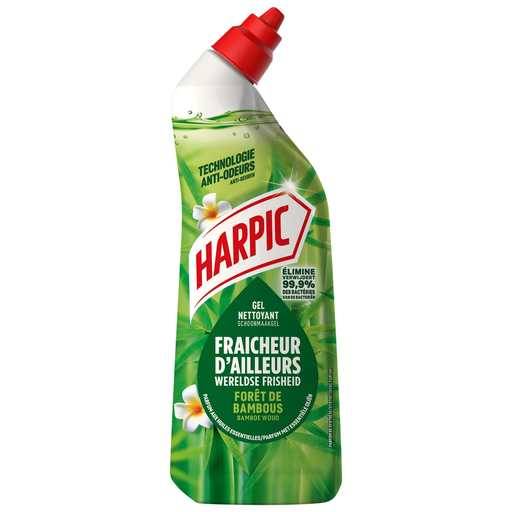
Why this choice suits this profile : Its angled nozzle allows application beneath the toilet rim, with targeted action against odours, marks and limescale.
The product information states that it must not be mixed with bleach or ammonia. This is worth bearing in mind to avoid dangerous combinations between toilet products.
750 ml bottle, gel for application beneath the rim and Bamboo Forest fragrance stated in the product information.
We have compiled a complete, real-time updated list of products that meet these demanding selection criteria and European safety regulations.
Some products state that they can be used from 20 °C, but this does not apply to every product. Check the minimum temperature, dosage and cycle duration on the label. A laundry disinfectant should be used alongside detergent, in accordance with the stated instructions.
This depends on the formula, storage conditions and date shown on the packaging. Store the bottle in a cool, dry place away from sunlight and make sure it is properly closed. If the label does not specify a period after opening, refer to the expiry date and the manufacturer’s information.
Choose a product that explicitly states it is compatible with septic tanks, such as a toilet gel formulated for this purpose. Avoid chlorine-based or highly corrosive products when this compatibility is not clearly indicated. Regular maintenance and following the recommended dosage remain essential.