
Livraison le jour même ou le lendemain

Qualité garantie

Débloquez vos offres de bienvenue: Livraison GRATUITE | Jusqu'à -80 % | 30 jours d'essai gratuits à JoyPlus
Téléchargez l'application
Buying household disinfectants seems simple… until it’s time to choose between wipes, spray, floor cleaner, laundry disinfectant or antibacterial soap. A handy formula for the kitchen may not be suitable for the bathroom, while a product designed for surfaces should never be applied to your skin.
The most common mistakes come down to three misunderstandings: confusing cleaning with disinfection, relying solely on a claim such as “99.9 %” and overlooking the contact time stated on the label. Here’s what to check before stocking up.
A product may remove grease, limescale or soap marks without having an appropriate biocidal claim. Bleach-based products, such as some La Croix products, may be designed to clean and whiten without being intended for disinfection. The product information for La Croix cleaning gel also states that it is not intended to disinfect.
For genuine disinfectant action, check that the label makes a clear claim and specifies the type of action: bactericidal, fungicidal or virucidal.
Disinfectant sprays and disinfectant wipes often need to leave the surface wet for a set time. For example, the product information for Carolin wipes states 5 minutes according to EN 1276 for bactericidal action and 15 minutes according to EN 14476 against SARS-CoV-2, under the conditions specified by the manufacturer.
Wiping the surface straight away may therefore reduce the contact time needed. Always check the label of the product you buy: instructions vary depending on the formula and surface.
A surface disinfectant is not automatically a laundry disinfectant, hand soap or solution for minor cuts. Antiseptic hydrogen peroxide, surgical spirit and household cleaning products are intended for very different uses.
Never pour a surface product onto your skin, and never mix products, especially bleach with acids or ammonia. These combinations can release dangerous fumes.
The European standards listed on the label provide a useful starting point:
A standard on the label does not mean the product is suitable for every surface or every virus. Consider it alongside the contact time, dilution, temperature and the “clean” or “dirty” conditions specified by the manufacturer.
For a bathroom disinfectant, choose a formula suitable for tiles, sinks, shower screens and bathroom fittings. An limescale remover may tackle deposits effectively, but it does not necessarily do the same job as a disinfectant.
For floors, a concentrated formula or larger pack, such as a 5 litre floor disinfectant, can save you from having to restock too often. However, check the required dilution and whether rinsing is needed.
In the kitchen, pay particular attention to any statement about food contact. Even when rinsing is not required on some surfaces, the product information may specify that you must rinse with drinking water after disinfecting areas that come into contact with food.
Before you buy, check:
A bleach-free disinfectant may suit your preference in terms of smell or how you use it, but it is still a biocide and must be handled with care. Read the label and keep each product in its original packaging.
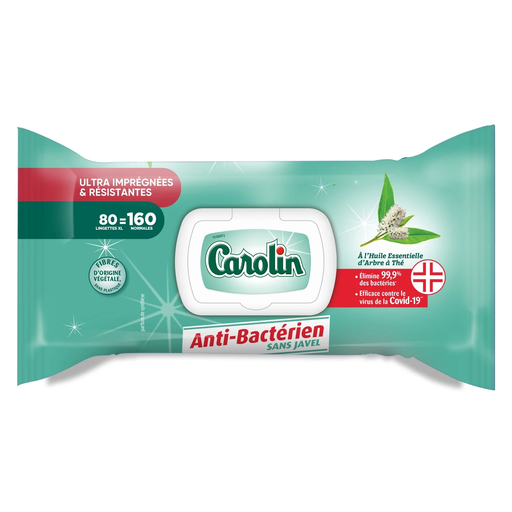
Why it suits this profile : The pack of 80 wipes is ideal for quick everyday clean-ups on door handles, worktops and other washable surfaces.
The product information lists EN 1276 and EN 14476 standards, along with a specific contact time, rather than making a vague claim without instructions for use.
Made with plant-based fibres and stated to be plastic-free, with a bleach-free formula and no-rinse use according to the product information.
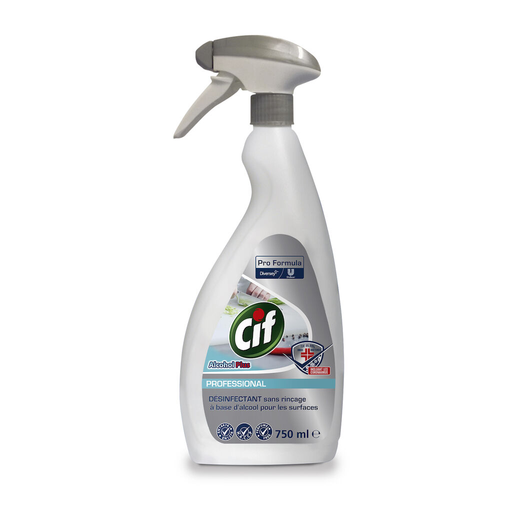
Why it suits this profile : This ready-to-use 750 ml spray is ideal for households looking to disinfect small surfaces regularly, particularly in the kitchen.
The product information lists bactericidal, fungicidal and virucidal activity, along with the relevant standards and a contact time to follow.
Contains 80 % denatured ethanol, requires no rinsing according to the product information and is suitable for indirect food contact.
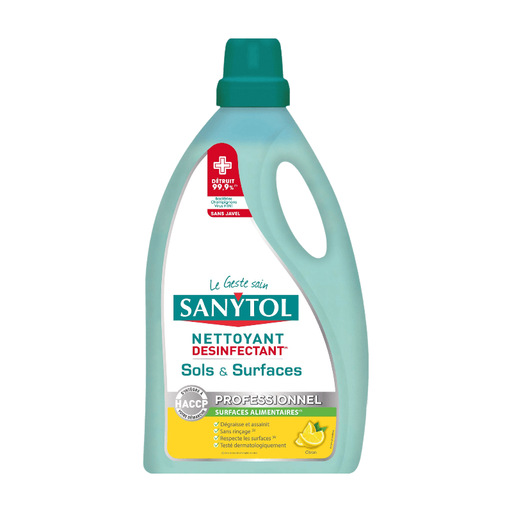
Why it suits this profile : The 5 litre pack is ideal for larger homes, families and anyone who regularly cleans floors and washable worktops.
The product information clearly sets out the dilution, contact time and rinsing requirements for surfaces that come into contact with food, helping you avoid mistakes.
Bleach-free formula, generous size and claims based on EN 13697, EN 1650 and EN 14476 standards, as stated by the manufacturer.
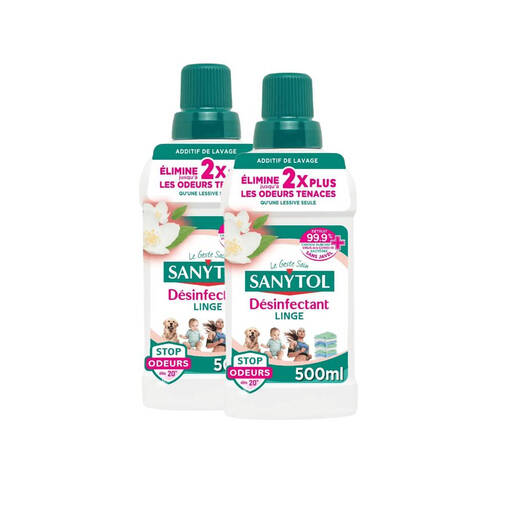
Why it suits this profile : This solution is suitable for low-temperature washes and for clothes that are sometimes left in the drum after the cycle has finished.
The product information says to pour it into the fabric conditioner compartment, use a dose of around 100 ml and never apply it directly to dry laundry.
Pack of two 500 ml bottles, stated to work from 20 °C and formulated to help prevent unpleasant odours in laundry.
We’ve put together a comprehensive selection, updated in real time, of products that meet these strict selection criteria and European safety requirements.
A ready-to-use surface disinfectant may be suitable for small areas, as long as you check that it is suitable for food contact. Follow the contact time, then rinse if the label instructs you to. Alcohol-based sprays should also be used away from flames in a well-ventilated room.
Some products are designed for repeated use, but you must follow the manufacturer’s recommended dosage and the care instructions on your clothes’ labels. Check for any restrictions on wool, silk, delicate fabrics and baby clothes. Laundry disinfectant does not replace detergent.
It depends on the product and its intended use. Hansaplast hydrogen peroxide solution at 10 volumes is described as suitable for cleaning and caring for minor superficial wounds. Other hydrogen peroxide products may be intended for use on hair. Always check the intended use on the bottle, and ask a pharmacist if you’re unsure.