
Livraison le jour même ou le lendemain

Qualité garantie

Débloquez vos offres de bienvenue: Livraison GRATUITE | Jusqu'à -80 % | 30 jours d'essai gratuits à JoyPlus
Téléchargez l'application
A household descaler isn't used the same way on a shower screen, in the toilet, or inside a dishwasher. Yet packaging often promises a "fast" action, long-lasting protection, or a versatile formula, without always specifying the limitations. The result? A poorly chosen product, a damaged surface, or an appliance that remains imperfectly maintained.
Before you buy, keep three pitfalls in mind:
Start by identifying exactly what you need:
An acidic formula suitable for a toilet bowl may be unsuitable for marble, natural stone, certain metals, or treated surfaces. Always check the label and test on an inconspicuous area if the manufacturer recommends it.
The format directly affects ease of use:
A product that requires rinsing cannot be used like a no-rinse cleaner. The dwell time stated on the packaging is equally important: leaving it on for longer doesn't necessarily improve the result and can increase the risk of irritation or damage.
Descalers often contain acids or surfactants. Check the hazard pictograms, wear gloves if the label recommends it, and ventilate the room. Never mix a limescale remover with bleach, ammonia, or another cleaner – dangerous gases can form.
Before running a maintenance cycle on an appliance, always remove any laundry or dishes. For a coffee machine, carry out all the rinses specified in the manual before making a drink.
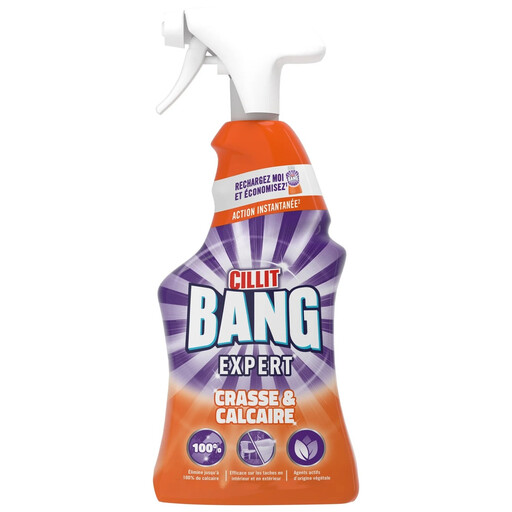
Why this choice suits this profile: This 750 ml spray is suitable for everyday maintenance of several bathroom surfaces. Its refillable bottle can save you from replacing the spray head, provided you have a compatible refill.
The listing states a foam designed for limescale deposits, soap scum, and dirt. You still need to respect the dwell time and check that the surface is among the approved materials.
A 750 ml spray format, a claimed anti-redeposition formula, and a refillable bottle compatible with certain refills.
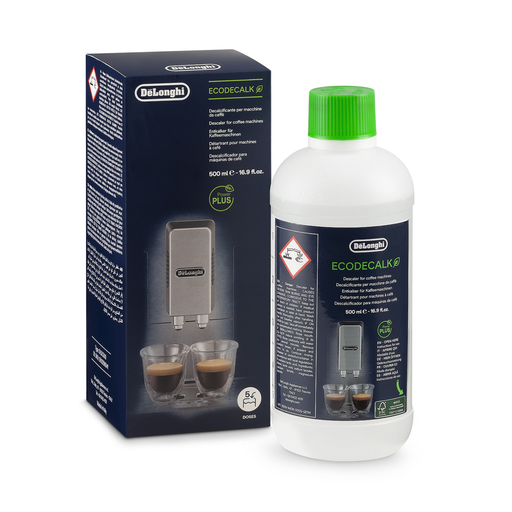
Why this choice suits this profile: This solution is designed for De'Longhi automatic coffee machines and is used with their descaling programme. It's aimed at households that prefer to follow a precise procedure to maintain a dedicated appliance.
The listing indicates a dosage of 100 ml per treatment, followed by a rinse with fresh water. Still, check your machine's manual before using it.
A 500 ml bottle, claimed plant-based lactic acid, and up to five treatments based on the recommended dosage.
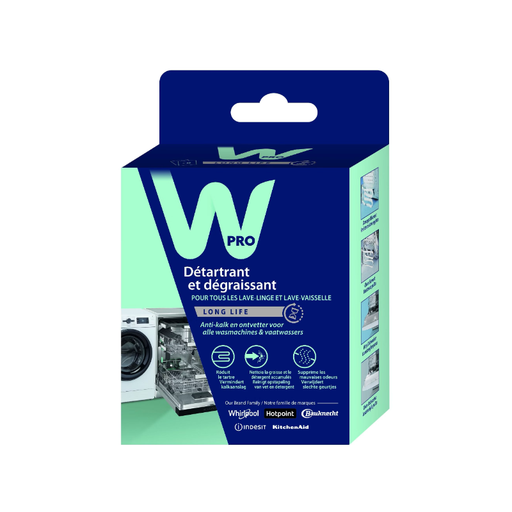
Why this choice suits this profile: The six 50 g sachets allow you to regularly maintain two types of appliance. The single-dose format is particularly suitable for those who want to avoid dosing errors.
The procedure requires an empty appliance, a long cycle at 60 °C, and no other product during the treatment. This helps avoid approximate usage.
Six individual doses, intended use for both washing machines and dishwashers, and a claimed action against limescale, residues, and odours.
We've put together a comprehensive, real-time updated list of products that meet these demanding selection criteria and European safety regulations.
In the bathroom, wipe down the screens and taps after using your bathroom cleaner. This simple habit limits the build-up of dried droplets and complements the product's action. In the toilet, apply the toilet descaler under the rim, leave it to work according to the label instructions, scrub, then flush.
A washing machine or dishwasher should be descaled when empty, at the temperature and frequency recommended by the product manufacturer. The washing machine descaler and dishwasher descaler should not be used with laundry, dishes, or regular detergent, unless stated otherwise.
No. A product for the toilet, a limescale remover for the bathroom, and a descaler for a coffee machine all address different requirements. Compatibility with the surface or appliance must come before any promise of versatility.
It depends on the hardness of your water, how often you use the appliance, and the manufacturer's recommendations. Some products suggest a monthly treatment, others every two months, or just a few times a year. Follow the instructions on the label and those in your appliance's manual.
Not necessarily. Compare the number of treatments, the dosage required for each use, and any rinsing needed, rather than just the bottle volume. A single-dose format can also reduce waste from imprecise dosing.