
Livraison le jour même ou le lendemain

Qualité garantie

Débloquez vos offres de bienvenue: Livraison GRATUITE | Jusqu'à -80 % | 30 jours d'essai gratuits à JoyPlus
Téléchargez l'application
A household degreaser isn't necessarily suitable for every surface. A product designed for the oven can attack aluminium, while a multi-surface cleaner may struggle to shift burnt-on residue. To avoid unnecessary purchases, always check the intended use, the dwell time and the precautions listed on the label.
The phrase "powerful degreaser" may catch your eye, but it doesn't guarantee the product is suitable for all materials. Alkaline, chlorine-based or solvent-containing formulas are sometimes not recommended on aluminium, painted surfaces, copper, certain seals or delicate finishes.
A kitchen degreaser intended for hobs, extractor hoods or ovens should therefore be chosen based on the surface you need to clean. Before ordering, take the time to read the usage exclusions.
A product that works in a few minutes isn't used the same way as a degreaser that needs to sit for thirty minutes on cooked-on grease. Spraying the product and wiping it off immediately can leave residue and make it seem like the cleaner isn't working.
The dwell time generally varies depending on the surface temperature and the level of soiling. Always follow the time stated in the instructions.
A naturally derived formula or recyclable packaging doesn't mean you can skip the safety precautions. An eco-friendly degreaser can still irritate your eyes or skin. Check the labels, the ingredients, the rinsing instructions and the compatible surfaces rather than stopping at a simple marketing claim.
Start by identifying what you want to remove:
This distinction helps you avoid formulas that are either too harsh or simply unsuitable.
On the packaging, look at the pictograms required by the European regulation on classification, labelling and packaging of substances and mixtures. Warnings such as "irritant", "corrosive" or "harmful" indicate special precautions.
Wear gloves when the instructions recommend it, ventilate the room and never mix different products — especially a chlorine-based degreaser with an acidic product. For surfaces that come into contact with food, rinsing with drinking water is often essential.
Information about surfactants can also help you. The EU Detergents Regulation 648/2004/EC governs certain claims related to biodegradability. A recognised label, such as the EU Ecolabel or Ecocert certification (depending on the product), provides an additional, verifiable point of reference.
A 500 ml spray is handy for targeted cleaning. A one-litre bottle or concentrated powder can reduce the frequency of repurchases, provided you follow the dosage. For the dishwasher, compare the number of cycles covered rather than the total weight of the pack.
Tablets and capsules simplify dosing, while a liquid or powder allows you to adjust the amount more easily. The right choice therefore depends on how often you clean, how much storage space you have and the type of appliance you own.
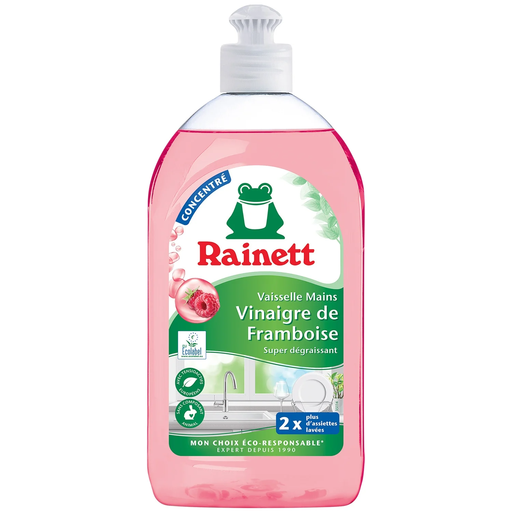
Why this choice suits this profile: At 500 ml, this liquid is ideal for everyday washing up — plates, pans and utensils — without cluttering your kitchen with extra products.
It is clearly intended for hand washing and not for the dishwasher, which reduces the risk of mistakes. The manufacturer also states it carries the EU Ecolabel certification.
Surfactants claimed to be plant-based, a bottle made from recycled plastic and a raspberry vinegar fragrance.
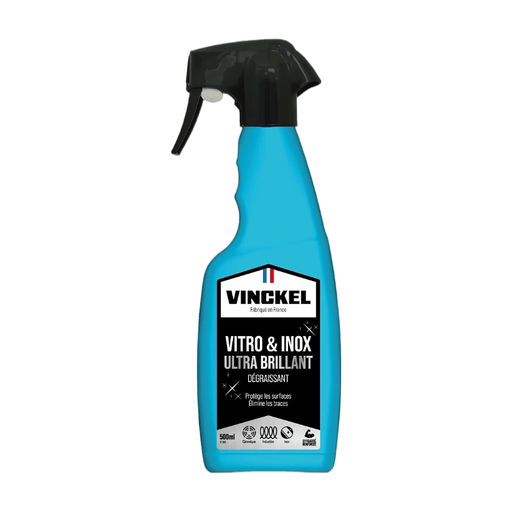
Why this choice suits this profile: It targets kitchens fitted with stainless steel, ceramic hob or induction surfaces, where cleaning marks are particularly noticeable.
The instructions specify the intended surfaces and recommend finishing with a dry cloth. The product is therefore not presented as a universal solution for all materials.
Designed for stainless steel, ceramic hob and induction surfaces, stated to be made in France and claimed to deliver streak-free degreasing action.
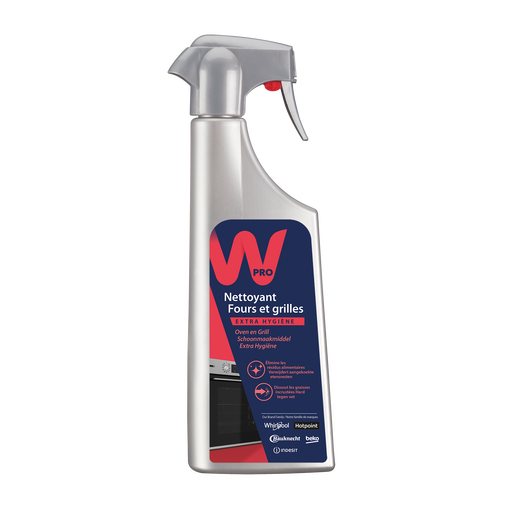
Why this choice suits this profile: This spray is intended for ovens, hobs, barbecues, rotisseries and extractor hoods, with a dwell time that varies depending on the surface temperature.
The product page excludes painted surfaces and aluminium. It also states not to spray the product on an appliance that is switched on. These limitations must be strictly followed.
A 500 ml capacity, can be used on warm or cold surfaces and a lemon fragrance as stated by the manufacturer.
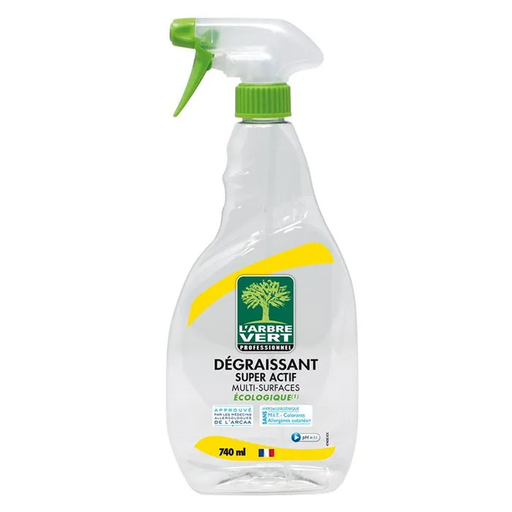
Why this choice suits this profile: Its multi-surface formula is suitable for regular cleaning of heavily soiled washable surfaces in a family kitchen.
The product page recommends testing on an inconspicuous area first for delicate surfaces. It also distinguishes between neat and diluted use depending on the level of soiling.
EU Ecolabel, stated to be made in France and a formula free from phosphonates, colourants and MIT isothiazolinones, according to the product sheet provided.
We have compiled a comprehensive list, updated in real time, of products that meet these strict selection criteria and European safety regulations.
Choose an oven degreaser whose instructions mention cooked-on grease and burnt residue. Check the excluded materials, ventilate the room, wear the recommended protective gear and rinse thoroughly. Do not use the product on a hot or running oven if the label prohibits it.
No, unless the manufacturer explicitly states so. The walls and components of a dishwasher require a product designed for that appliance. A dishwasher degreaser is typically used on an empty machine, following a specific cycle and frequency. Dishwasher tablets, on the other hand, are intended for cleaning your dishes, not for maintaining the inside of the machine.
Close the bottle or sachet after each use and keep it out of reach of children and pets. Store it in a cool, dry place away from heat sources. Aerosols must be kept out of direct sunlight and not exposed to temperatures above those stated on the label.