
当日/次日达

品质保障

开启新人专享福利: 全场免邮 | 低至 2 折 | 免费试用 30 天 JoyPlus 会员
下载 Joybuy
With promises of express cleaning, « all-in-one » formulas and large formats supposedly offering better value, choosing the right household cleaning products can quickly become a headache. A product that works well in the kitchen will not necessarily be suitable for bathrooms, laundry or delicate surfaces.
Before filling your cupboards with cleaning products, a few simple checks can help you avoid unnecessary purchases, incorrect use and recurring costs.
A multi-surface cleaner may be suitable for tiles, certain washable surfaces or worktops. That does not mean it is suitable for untreated wood, marble, waxed finishes or non-stick appliances. The term « multi-purpose » should always be accompanied by a check of the approved surfaces.
Claims such as « 99.9% » refer to a statement shown on the product label or product information sheet, under specific conditions of use. They do not replace dilution instructions, contact time or rinsing where required. For a disinfectant, check the intended use and comply with the regulations applicable to biocidal products.
A large bottle is not automatically more economical. You need to consider the dosage, the stated number of washes and the quantity required for each surface. Similarly, a reusable sponge must be able to be rinsed and dried properly to remain practical for everyday use.
For the kitchen, choose a kitchen cleaner capable of removing grease and clearly stating whether it can be used on food-contact surfaces. Rinsing with drinking water may be compulsory after application. In the bathroom, a bathroom cleaner designed for limescale and soap residue will generally be more suitable.
Accessories should also be chosen according to their abrasive power:
Always test the product or accessory on an inconspicuous area. Non-stick, varnished, painted or particularly delicate surfaces require extra care.
Read the hazard pictograms, active substances and usage precautions. A product containing bleach, hydrochloric acid or a biocidal disinfectant must never be mixed with another cleaner. Mixing products with acidic or ammonia-based cleaners can release dangerous fumes.
Wear gloves when recommended on the label, ventilate the room and store bottles out of the reach of children and pets. Used disinfectant wipes should be disposed of with household waste, never flushed down the toilet.
For laundry detergent, compare the stated number of washes rather than just the volume of the container. A liquid detergent suitable for all fabrics and low temperatures can simplify your routine, provided you follow the dosage and instructions on the garment label.
For washable accessories, check the washing temperature, whether fabric softener must be avoided and the drying instructions. These details have a direct impact on their lifespan.
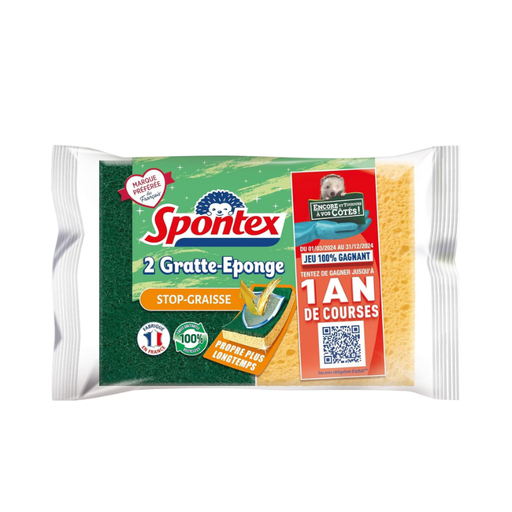
Why this choice suits this profile : A versatile duo for getting started with kitchen cleaning without building up a collection of accessories.
The abrasive side is described as non-scratch, but delicate and non-stick surfaces should still be avoided. The sponge is machine-washable at 40 °C.
A stated Stop-Grease system, plant-based absorbent side and made in France, according to the product information.
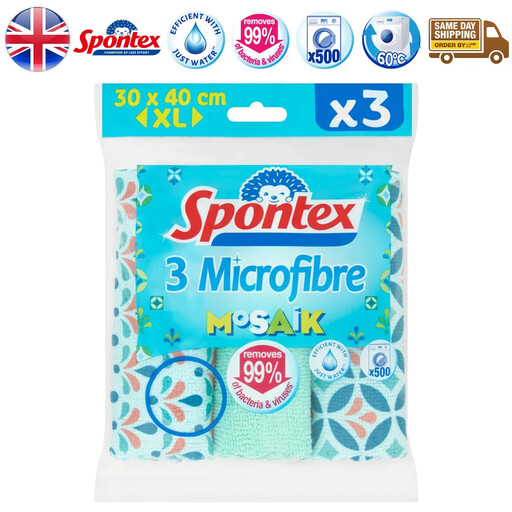
Why this choice suits this profile : A solution for households that prioritise reusable accessories and organising cleaning by room.
The product information states that they can withstand up to 500 washes, with one key instruction to remember : avoid fabric softener, which can reduce the fibres’ effectiveness.
Three 30 × 40 cm cloths that can be used dry or damp, made from polyester and polyamide.
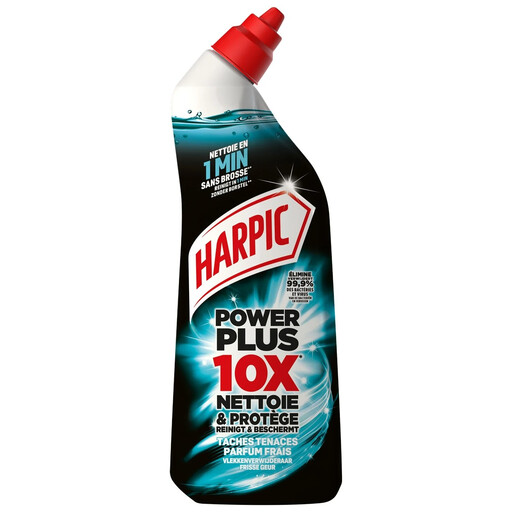
Why this choice suits this profile : A product designed specifically for toilets, particularly useful when limescale and ingrained marks require a targeted solution.
Its formula is intended for toilets only and contains hydrochloric acid. Never mix it with bleach or another cleaner.
750 ml gel, application under the rim and a one-minute action time, as stated in the product information.
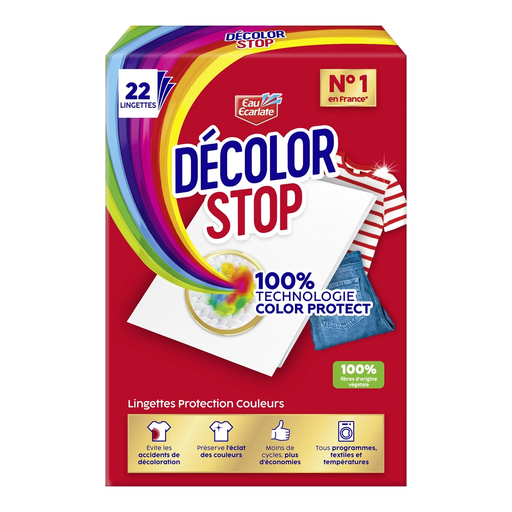
Why this choice suits this profile : A practical solution for households that regularly mix colours in the washing machine.
The wipe is used with laundry, but it does not remove the need to follow the appropriate temperatures and care instructions for each fabric.
A pack of 22 wipes, compatible with different programmes, fabrics and temperatures according to the information provided.
We have brought together a complete, real-time updated selection of products that meet these demanding criteria and European safety standards.
A well-planned basic selection could include a multi-surface cleaner, a degreasing kitchen cleaner, a bathroom cleaner, toilet gel, liquid detergent, microfibre cloths and a few suitable sponges. Disinfectant wipes are only useful if their convenient format meets a specific need.
It depends on wear, odours, how well it dries and the manufacturer’s instructions. A sponge should be replaced when it starts to break down or retain dirt. Washable versions should be cleaned according to their label; fabric softener can reduce the performance of some microfibres.
Not necessarily. Laundry disinfectant is intended for a specific need and must be used according to its label, particularly regarding dosage, compatible fabrics and temperature. For everyday laundry care, start by checking the detergent dosage and selecting the right programme.