
当日/次日达

品质保障

开启新人专享福利: 全场免邮 | 低至 2 折 | 免费试用 30 天 JoyPlus 会员
下载 Joybuy
With promises of disinfection, long-lasting fragrances and economical large formats, choosing your household cleaning products can quickly become a headache. A product that works well for toilets will not necessarily be suitable for laundry, while an all-purpose cleaner could damage a delicate surface.
To avoid unnecessary purchases, it is worth looking closely at the ingredients, instructions for use and actual cost per use. Here are the criteria to consider before filling your cupboard.
A pleasant smell can create an impression of cleanliness without necessarily meeting the need you have in mind. An odour-control product for laundry does not serve the same purpose as a laundry disinfectant. Similarly, a fragranced toilet block helps keep the toilet fresh between cleans, but it does not necessarily replace manual cleaning with a suitable gel.
A 5-litre container may seem economical, but its value depends on the dilution, frequency of use and available storage space. Conversely, a concentrated fabric softener sold as a refill reduces packaging waste but requires precise dosing. So compare the estimated number of uses, rather than looking only at the volume stated on the bottle.
Bleach and products containing sodium hypochlorite must never be mixed with acidic products, ammonia or other cleaning products. Dangerous fumes may be released. A drain unblocker containing caustic soda also requires gloves and eye protection.
Always read the label, hazard pictograms and usage restrictions before buying.
Start by identifying the area you need to clean:
Household bicarbonate of soda is suitable for many domestic uses, either as a paste or a solution. However, testing it first on an inconspicuous area is still recommended. A magic eraser, made from melamine foam, can remove certain marks with water, but its abrasive action makes it unsuitable for shiny, varnished, delicate or non-stick surfaces.
A washable microfibre cloth can be very practical for everyday cleaning: use it damp or dry, and wash it in the machine. Spontex Mosaik models measure approximately 30 × 40 cm and are advertised as washable up to 500 times. To protect their fibres, avoid fabric softener and follow the washing instructions.
Sponges should be rinsed after every use and replaced regularly. The format, number of pieces and whether they can be washed at 40 °C are more useful details than a vague promise of long-lasting performance.
For biocides, including certain laundry disinfectants and toilet gels, check the active substance, authorised use and the wording « Use biocides with care ». Claims such as « eliminates 99.9% » should be interpreted in light of the conditions specified by the manufacturer. They do not constitute a guarantee that applies in every situation.
Keep products out of children’s reach, in their original packaging and away from food. Never decant a corrosive product into an unlabelled bottle.
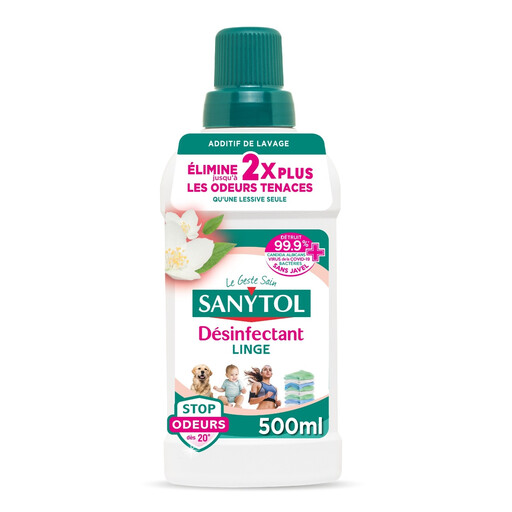
Why this choice suits this profile : At 500 ml, this format is a good way to get started without taking up cupboard space with a large container. The product details state that it can be used from 20 °C, in the compartment intended for fabric softener.
The recommended dosage is approximately 100 ml for a standard wash. This means you are choosing the product for its intended purpose, rather than simply for its fragrance or volume.
Accessible format, compatible with short cycles and scented with white flowers. Do not apply directly to dry laundry.
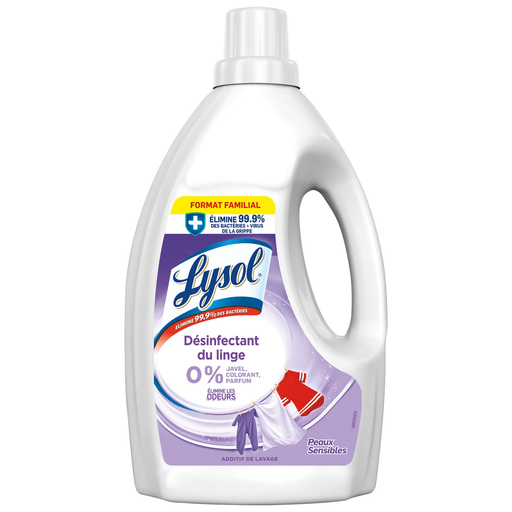
Why this choice suits this profile : This large format, which contains no bleach, colouring or fragrance, is presented as suitable for white and coloured laundry, including sportswear and household linen.
The product details clearly state that it contains no fragrance or colouring. This helps avoid confusing a scented feeling with the expected effectiveness.
1.5 l format, stated suitability from 20 °C and a chlorine-free formula.
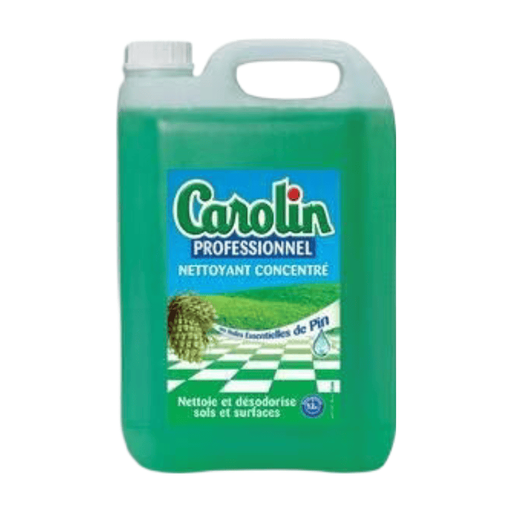
Why this choice suits this profile : At 5 l, this container is aimed at households that clean frequently, as well as professional environments. Its formula can be diluted according to the level of dirt.
Dilution allows you to adjust the amount to suit your needs, rather than routinely overdosing a concentrated formula. Surfaces that come into contact with food must be rinsed.
Large volume, multi-surface use and a pine fragrance with essential oils.
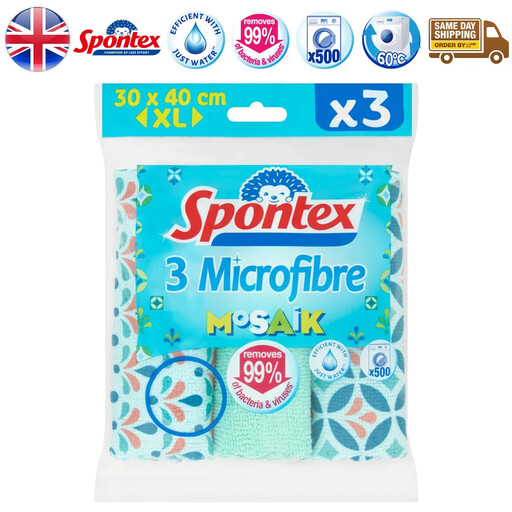
Why this choice suits this profile : These three reusable cloths can be used for dusting, cleaning damp surfaces and kitchen care, without having to stock up on multiple bottles.
The product details specify the care instructions and advise against using fabric softener, which can reduce the fibres’ effectiveness. Even so, test the microfibre on an inconspicuous area first.
Washable up to 500 times according to the product details, suitable for dry use or with water, in a 30 × 40 cm format.
We have put together a complete, real-time selection of products that meet these demanding criteria while complying with European safety regulations.
No. Never mix bleach with an acidic product, ammonia or a drain-unblocking gel. Use one product at a time, ventilate the room and rinse the surface if the label recommends it.
Refer to the date and information shown on the packaging. Store products closed, in a dry place, away from heat and out of children’s reach. An unusual smell, texture or colour should prompt you not to use the product.
A practical basic selection might include an all-purpose cleaner, household bicarbonate of soda, microfibre cloths, sponges, toilet cleaner and an odour-control product. You should also keep enough toilet paper for your household’s needs. Bleach, drain-unblocking gel and disinfectants should only be used for the purposes stated on their labels, with suitable protective equipment.