
Livraison le jour même ou le lendemain

Qualité garantie

Débloquez vos offres de bienvenue: Livraison GRATUITE | Jusqu'à -80 % | 30 jours d'essai gratuits à JoyPlus
Téléchargez l'application
Buying household cleaning and hygiene products seems straightforward enough… until you end up with a collection of ill-suited bottles, a cream that’s too abrasive, or a toothpaste chosen purely for its marketing claims. At home, as well as in the cleaning, hospitality and catering sectors, a few simple habits are all it takes to avoid unnecessary purchases.
A multi-surface cleaner may be suitable for many washable surfaces, but that doesn’t mean it’s safe for bare wood, natural stone, painted surfaces or delicate materials. Even a cream cleaner marketed as gentle can leave scratches if used with an abrasive sponge or too much pressure.
The smart approach is to check which surfaces are approved, then test the product on an inconspicuous area.
Claims like “removes 100% of stains” or “protection for 24 hours” should be understood as statements taken from the product page or the manufacturer’s marketing, and always considered in the context of how they’re used. They don’t guarantee the same result on every type of soiling, every surface or every routine.
To compare products more confidently, focus instead on the format, the method of application, the safety precautions and the type of dirt they target.
A large container of professional cleaning product is only good value if it’s used regularly and stored properly. Conversely, a small format can work out much more expensive per use when you’re maintaining a large house, a professional premises or several bathrooms.
Volume, recommended dose and frequency of use are therefore often more revealing than the price on the label.
In a kitchen or bathroom, a cream containing cleaning particles can help lift ingrained dirt. However, you need to check its compatibility with stainless steel, ceramic, taps and shiny surfaces. Thorough rinsing is also essential to avoid streaks and residue.
CIF Original Cream Cleaner with Microcrystals, Professional Formula, Multi-Surface, 750 ml is presented as suitable for stubborn dirt, grease and limescale deposits on stainless steel and ceramic. Its product page mentions a risk of serious eye irritation: wearing gloves and keeping it out of reach of children should not be taken lightly.
Never mix an acidic product with bleach or another cleaner. The safety instructions on the label always take precedence.
When choosing a whitening toothpaste or a formula designed for intensive cleaning, check the fluoride content, the recommended age and the usage instructions. The products presented here are not a substitute for professional healthcare advice. A fluoride toothpaste should be used in accordance with its labelling and should not be swallowed.
The 75 ml format is suitable for individual or family use. Mint flavour, texture and personal sensitivity can also affect brushing consistency.
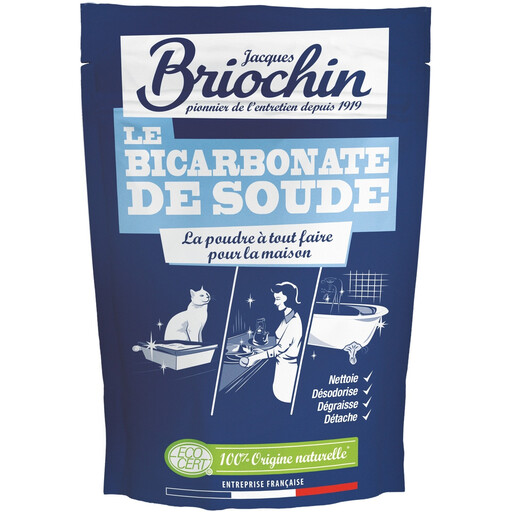
Why this choice suits this profile: This powder can be diluted, turned into a paste or used for various household tasks and laundry care. At 450 g, it lets you discover bicarbonate of soda without committing to a large pack straight away.
It avoids multiplying bottles for compatible uses, while reminding you that a patch test is still necessary on delicate surfaces.
A fine powder, many household uses, a 450 g pack and instructions for cleaning, odour neutralisation and laundry.
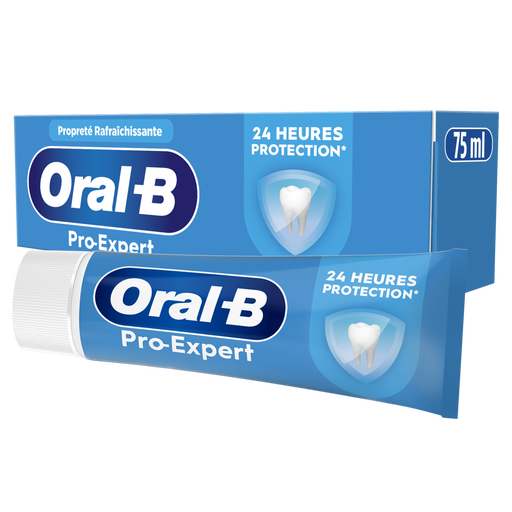
Why this choice suits this profile: It’s aimed at adults looking for an intense cleaning sensation and a fluoride formula, with use recommended twice a day according to the product page.
The fluoride content and target audience are clearly stated, making it easier to compare with other toothpastes.
A 75 ml format, a stated fluoride content of 1,100 ppm and a green mint flavour, according to the information provided.
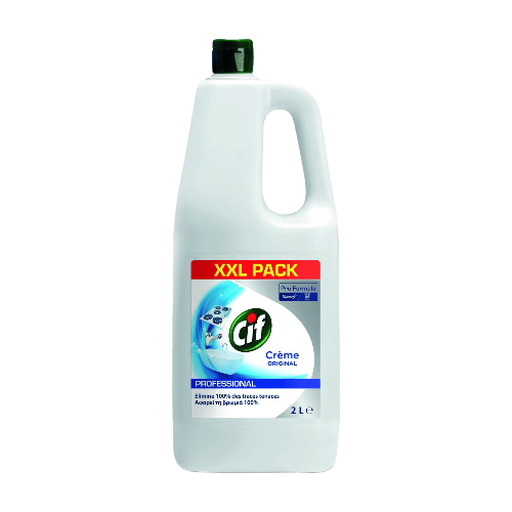
Why this choice suits this profile: Its 2-litre container is ideal for a business, a large family or frequent cleaning of kitchens and wet rooms.
The professional format reduces frequent replacements, while the rinsing recommendation helps avoid residue.
A 2 L format, a multi-surface cream formula and an easy rinse as described in the product description.
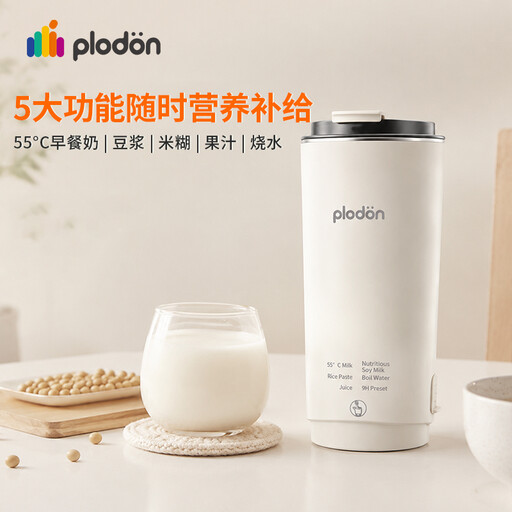
Why this choice suits this profile: This small appliance is designed for people living in a compact space, working at an office or wanting to prepare a plant-based drink on the go.
Its 300 ml capacity clearly indicates the available volume and prevents it from being mistaken for a family-sized appliance.
Functions stated for soy milk, nut-based drinks, juices and hot water, with automatic cleaning.
We’ve put together a comprehensive, real-time updated selection of products that meet these exacting criteria and European safety regulations.
A limescale remover gel can be practical on vertical surfaces, taps, basins and compatible tiling. Follow the dwell time, rinse thoroughly and avoid surfaces sensitive to acids. Never mix it with bleach.
No. Bicarbonate is generally used for everyday cleaning, deodorising and certain household preparations. Soda crystals are more alkaline and are mainly intended for heavy-duty degreasing or unblocking drains, with stricter safety precautions. Always read the label and wear gloves when recommended.
Keep bottles and sachets tightly closed in a dry, well-ventilated place, away from children, pets and food. Store products in their original packaging so that safety instructions are always to hand. Never pour a cleaner into a food or drink bottle.