
当日/次日达

品质保障

开启新人专享福利: 全场免邮 | 低至 2 折 | 免费试用 30 天 JoyPlus 会员
下载 Joybuy
Cleaning your home isn’t about stacking bottles in a cupboard. A product that works well for washing up won’t necessarily be suitable for an oven, a delicate floor, or a stain on clothing. To avoid unnecessary purchases, it’s best to start by identifying the surface, the type of soiling, and how the product will be used.
A multi-surface cleaner can work on many washable materials. That doesn’t mean it’s suitable for aluminium, untreated wood, marble, grout, or electrical appliances. For a hob, a cooker hood, or a grill covered in baked-on grease, a kitchen degreaser will generally be more effective and more appropriate.
Always check the compatible surfaces and any restrictions listed on the label. A formula containing alkaline agents, soda, or bleach can damage certain materials.
Terms like “natural”, “powerful”, or “no rinse needed” should always be taken in context. An eco-friendly cleaner may limit certain ingredients or carry a certification, but you still need to follow the usage instructions. As for concentrated products, they often require precise dilution: using more doesn’t necessarily improve the result and pushes up the cost per use.
Household cleaning products can irritate the eyes or skin. Some are corrosive, flammable, or dangerous when mixed with bleach, an acidic product, or another formula. Never mix products and ventilate the room while using them.
On surfaces that come into contact with food, rinsing with drinking water is often necessary. Dishwasher products and capsules must also be kept dry and out of reach of children.
The dwell time directly affects the result. Some sprays work in a few minutes, while older grease needs a longer application. However, never leave the product on for longer than the stated time.
On a delicate surface, start by applying a small amount in an inconspicuous spot. To clean an oven, an air fryer, or a hob, the appliance must be switched off and sufficiently cool. Never spray electrical components or heating elements.
Compare the number of doses, the actual usable volume, and the amount needed for each clean, rather than just the price of the bottle. A one-litre concentrate advertised for 33 uses can work out cheaper per use than a ready-to-use spray, even if its purchase price is higher.
Dishwasher tablets and capsules simplify dosing but must be kept dry. For hand washing, a small amount of degreasing washing-up liquid on a sponge or in hot water is usually enough for daily use. A formula with a recognised environmental label, such as the EU Ecolabel where indicated, is a useful benchmark, but it doesn’t replace reading the label.
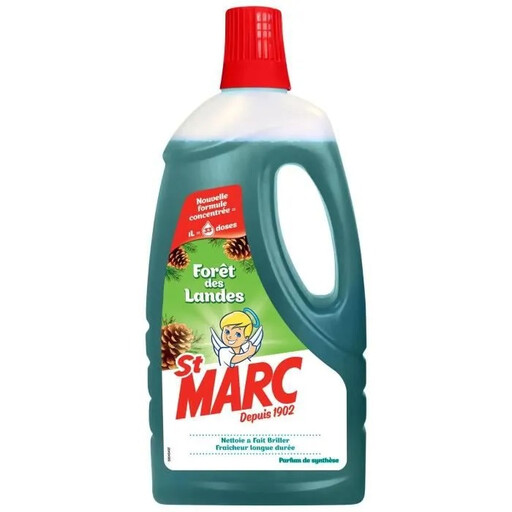
Why this choice suits this profile: Its concentrated format works well for regular cleaning across several rooms, especially if you’re looking to keep the number of products in your cupboard to a minimum.
The 33 stated doses let you compare the cost per use, rather than just the price of the bottle. Surfaces that come into contact with food must be rinsed.
Concentrated one-litre formula, usable undiluted for degreasing, with a scent as stated by the manufacturer.
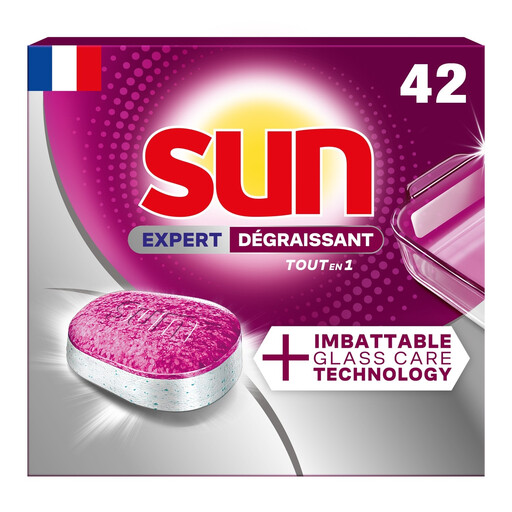
Why this choice suits this profile: Households that use their dishwasher frequently will appreciate the 42-tablet pack and the simple, hassle-free individual dosing.
The pre-dosed tablet limits the risk of using the wrong amount. Its water-soluble film must not be removed, and the box should be kept closed and away from moisture.
42 washes stated, suitable for use with low-temperature or eco programmes, and at least 45% naturally derived ingredients according to the product sheet.
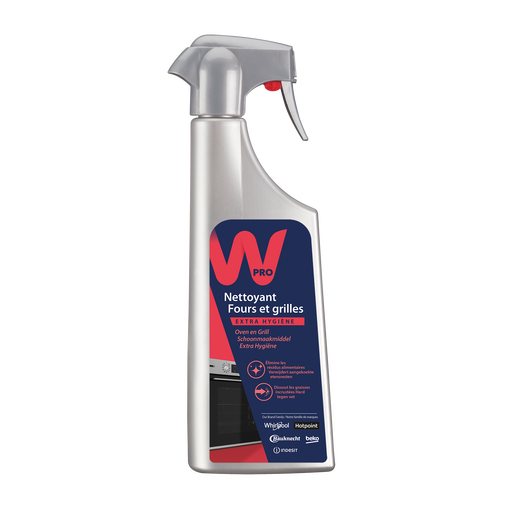
Why this choice suits this profile: This format is aimed at those who regularly clean an oven, hob, cooker hood, or barbecue with baked-on grease residue.
The product sheet specifies the dwell time on hot or cold surfaces and advises against use on aluminium and painted surfaces. These instructions help reduce the risks of using it incorrectly.
500 ml spray, can be applied to hot or cold surfaces as per the instructions, with a lemon scent as stated by the manufacturer.
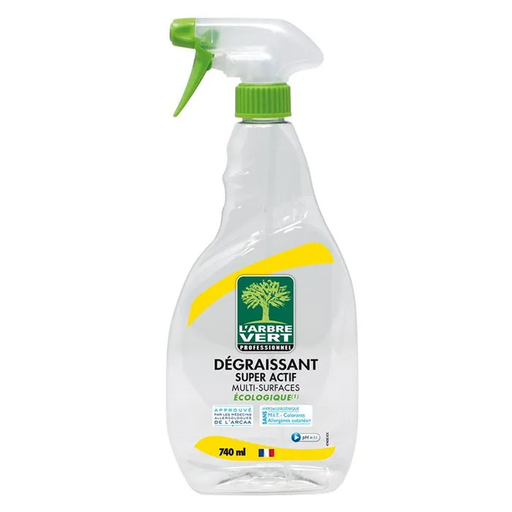
Why this choice suits this profile: Its formula is designed for heavily soiled washable surfaces in the kitchen and other rooms, with particular appeal for those looking for an environmental certification.
The product sheet details the surfaces it can be used on, recommends a patch test on an inconspicuous area, and confirms the presence of the EU Ecolabel.
740 ml bottle, formula stated to be free from phosphonates, colourants, and MIT isothiazolinones, with recyclable packaging according to the product sheet.
We’ve put together a comprehensive, real-time updated list of products that meet these demanding selection criteria and comply with European safety regulations.
Regular cleaning often reduces the need for intensive treatments. Wipe away grease splashes once the surface has cooled, empty the dishwasher filter as per the manufacturer’s instructions, and clean the seals without saturating them with product.
For the dishwasher, a dedicated cleaner like the SUN Classic Dishwasher Machine Cleaner is used in an empty machine, following the recommended cycle. The product sheet suggests one sachet every two months and states it works against limescale and grease. This product does not replace the tablets used for washing dishes.
For laundry, apply the stain remover for fabrics before washing, follow the garment’s care label, and check colourfastness. Delicate fabrics, leather, and rugs require products specifically designed for those materials.
A kitchen degreaser will generally be more suitable than a general-purpose cleaner for baked-on grease, cooker hoods, and grills. Check the compatible materials, follow the dwell time stated on the label, then rinse surfaces that come into contact with food.
The frequency depends on the number of cycles, water hardness, and the condition of the machine. Regular maintenance, along with cleaning the filter and seals, helps to limit build-up. Follow the recommendations from both the appliance manufacturer and the dishwasher cleaner.
No. An eco-friendly cleaner may be perfectly suited to certain surfaces and types of soiling, but it doesn’t automatically replace an oven cleaner, a descaling product, or a stain remover for fabrics. The label, ingredients, compatible surfaces, and usage instructions should guide your choice.