
Livraison le jour même ou le lendemain

Qualité garantie

Débloquez vos offres de bienvenue: Livraison GRATUITE | Jusqu'à -80 % | 30 jours d'essai gratuits à JoyPlus
Téléchargez l'application
Buying household cleaning products seems simple… until you have to compare a refill, an all-purpose cleaner, a degreaser or dishwasher tablets. With claims of long-lasting cleanliness, lingering fragrances and formulas presented as eco-friendly, it’s easy to overlook some essential information.
Three common pitfalls are worth watching out for:
So before comparing prices, take a moment to check the format, ingredients and instructions for use.
A large bottle isn’t necessarily the most economical choice. To compare two products, start by checking the number of doses stated, then divide the price by the number of uses.
Concentrated formats and cleaner refills generally reduce the amount of plastic used and the storage space required. La Croix bleach cleaner refill, for example, is sold in a pack of three and should be diluted according to the instructions on the packaging. It may be suitable for everyday cleaning of floors, tiles and worktops, provided you follow the precautions for chlorine-based products.
Read the list of suitable and unsuitable materials carefully. For everyday surface cleaning, look for:
A streak-free cleaner can be handy on a ceramic hob, a lacquered unit or a glass surface. However, you should still check any restrictions on use. Some products are not recommended for aluminium, zinc, copper, painted surfaces or porous materials.
The presence of fragrance, enzymes, bleaching agents or surfactants partly determines how a product should be used. If you’re sensitive to smells, you may prefer a fragrance-free formula. If you have a dishwasher, you can compare dishwasher tablets, gel and capsules based on the dose and programme you use.
When using bleach, don’t improvise: never mix it with an acidic product, vinegar or another cleaner. This can release dangerous fumes. Wear gloves if the label recommends them, ventilate the room and always keep products out of children’s reach.
For dishwasher products, also check whether the formula already includes a rinse-aid or water-softening function. If your water is very hard, the appliance manufacturer’s recommendations should take priority.
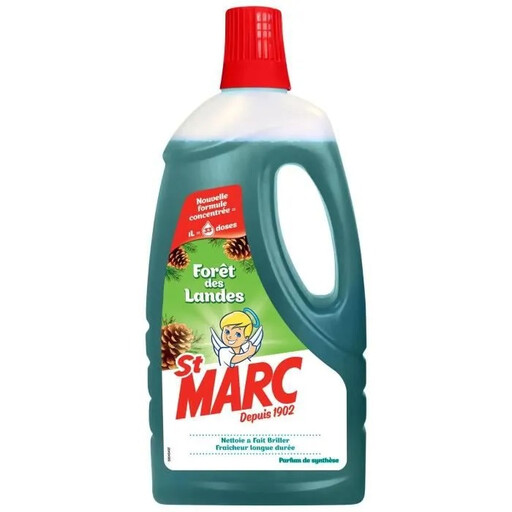
Why this is a good fit: The concentrated 1-litre format is stated to provide 33 doses and can be used for everyday cleaning in several rooms.
The stated number of doses makes it easier to compare with ready-to-use bottles. Rinse food-contact surfaces after cleaning.
1-litre format, concentrated dose, cleaning and degreasing action, fragrance inspired by the Landes region.
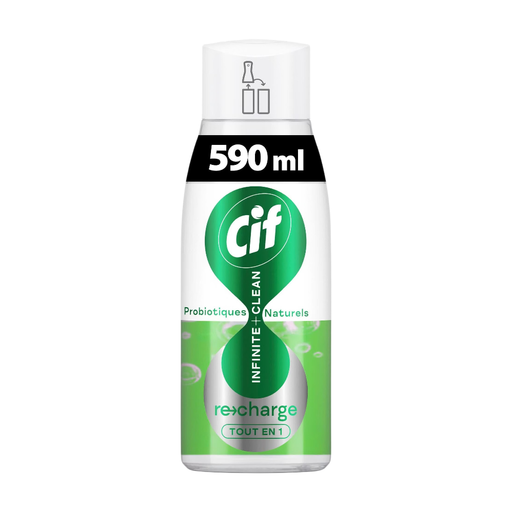
Why this is a good fit: This refill is for households that want to keep using their spray bottle and cut down on packaging from repeatedly buying new bottles.
It’s clearly labelled as a refill, so you’ll need to have a compatible spray bottle before using it.
590 ml capacity, multi-surface use, spray and wipe application, formula stated to require no rinsing.
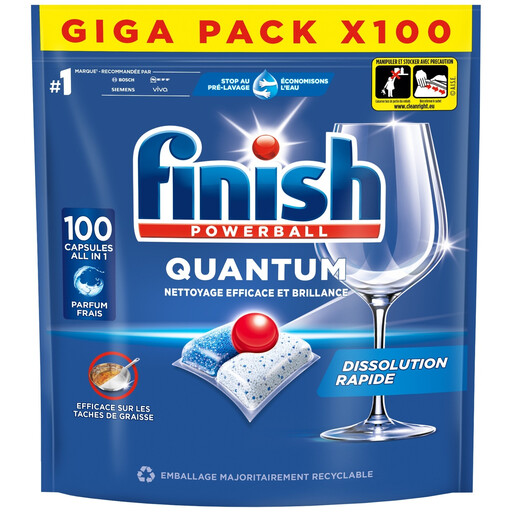
Why this is a good fit: The pack of 100 capsules is suitable for households that use their dishwasher often and want a pre-measured dose.
The capsule helps prevent the over-dosing that can happen when filling a dispenser by hand. Keep it dry and handle it with dry hands.
100 capsules, three-compartment formula, soluble film and enzymes listed in the ingredients.
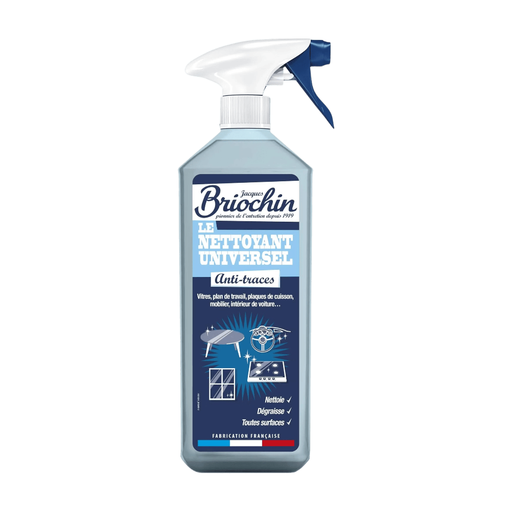
Why this is a good fit: Its fragrance-free formula and stated neutral pH may suit people who want to keep household smells to a minimum.
It’s clearly labelled as fragrance-free, but it’s still best to test it first on delicate or unusual materials.
750 ml, multi-surface use, applied with a cloth, cleaning stated to require no rinsing.
We’ve put together a comprehensive selection, updated in real time, of products that meet these exacting criteria and comply with European safety regulations.
An all-purpose cleaner may be suitable for compatible hard surfaces, but always check the restrictions stated by the manufacturer. In the kitchen, rinse food-contact surfaces if the label instructs you to. For marble, wood, screens and painted surfaces, only use a product that clearly states it is compatible.
It all depends on the price per cycle and how much product you use. Tablets come in pre-measured doses, while gel lets you adjust the amount to suit how dirty the dishes are. Compare the cost per wash and take into account water hardness, the programme you choose and the dishwasher manufacturer’s recommendations.
Follow the use-by date and storage instructions on the packaging. Keep products sealed and away from heat, sunlight and moisture. Capsules and tablets should be kept dry. Store products containing bleach separately from acids and other cleaners.